What Is Bakuchiol and Its Role in Skincare?
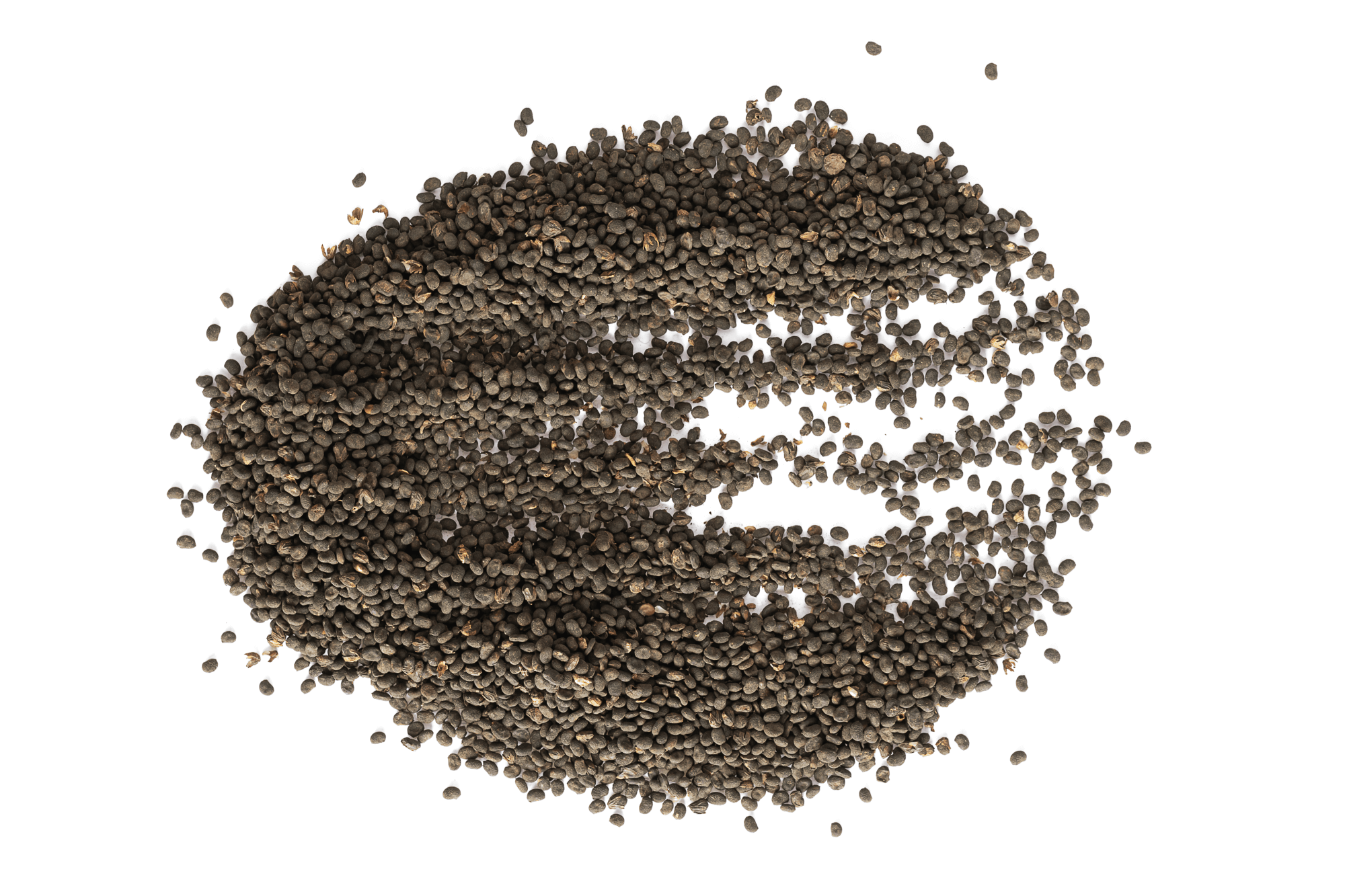
Bakuchiol (INCI: Bakuchiol) is a purified, oil-soluble active derived from babchi seeds (Psoralea corylifolia). In cosmetic formulations it is typically used at low concentrations, usually below 1%.
A key nuance: bakuchiol is not the same as babchi oil. Babchi oils are often non-standardized and may contain photosensitizing psoralens (compounds that can increase UV reactivity), while high-purity cosmetic bakuchiol is selected for predictable performance and a controlled safety profile.
Bakuchiol is often called a “natural retinol alternative,” but scientifically it is not a vitamin-A derivative. Instead, it can influence some overlapping biological pathways involved in:
- skin renewal,
- extracellular matrix support*,
- inflammatory signaling balance.
*Term explained: extracellular matrix (ECM) is the structural network (collagen, elastin, and supporting proteins) that helps skin look firm and organized. When ECM becomes disorganized, skin looks rougher, less even, and less resilient.
In skincare, bakuchiol is not used to aggressively peel the skin. Its role is to support more orderly renewal and calmer stress responses, which over time translates into smoother texture and improved resilience.
LABRAINS approach: Bakuchiol is interesting when it supports visible improvement without increasing the biological cost of the routine (irritation debt, barrier instability, recovery cycles).
Who Benefits Most From Bakuchiol?
Bakuchiol is not a single-purpose ingredient. It tends to be most useful when multiple concerns overlap and skin needs improvement without destabilization.
It may be suitable if your skin is:
- Acne-prone but reactive (breakouts + redness sensitivity)
- Showing early photoaging (fine lines + uneven tone)
- Prone to congestion or micro-comedones
- Irritated by strong retinoids or frequent exfoliation
- Looking for a routine that stays stable across seasons, travel, stress
In simple terms: bakuchiol is less about forcing rapid change and more about helping skin improve without triggering repeated repair cycles.
Bakuchiol Benefits for Skin
1. Smoother Texture and More Even Tone (Retinol-Like Outcomes)
In a double-blind clinical assessment, a cream with 0.5% bakuchiol used twice daily and 0.5% retinol used once daily both significantly improved wrinkle surface area and hyperpigmentation, with no statistical difference between compounds. However, irritation signals (stinging, dryness) were reported more frequently in the retinol group.
Reference: Clinical data (2020, Sytenol®).
This helps explain why bakuchiol is often chosen when visible anti-aging results matter but routine tolerability matters just as much.
LABRAINS approach: The most effective anti-aging ingredient is the one your skin can use consistently.
2. Anti-Aging Support Through Collagen Signaling
Skin aging reflects gradual disorganization of the dermal matrix – the collagen network and structural proteins that support firmness and texture.
In vitro research shows bakuchiol stimulates production of collagen types I, III, and IV in fibroblasts.
This does not make it identical to prescription retinoids. But it supports the idea that bakuchiol can assist early and moderate aging prevention, especially when tolerance is a limiting factor.
LABRAINS approach: Longevity skincare is not only about stimulation. It’s about maintaining conditions where structure stays organized.
3. Acne Support: One Ingredient, Multiple Mechanisms
Bakuchiol supports acne-prone skin by addressing multiple factors behind breakouts rather than targeting a single trigger.
How Acne Develops:
Acne arises from interacting processes:
- altered sebum quality
- microbial imbalance
- inflammation
- follicular hyperkeratinization (cell buildup inside pores)
How Bakuchiol Works:
Bakuchiol acts across these key acne pathways:
- Sebum protection: helps prevent oil oxidation, reducing pore congestion and inflammation.
- Antimicrobial activity: fights acne-related bacteria and yeast like C. acnes, S. aureus, S. epidermidis, and some Candida species.
- Anti-inflammatory: helps calm flare-up signaling
- Keratinocyte regulation: supports balanced cell turnover and reduces clogged pore formation.
Clinical studies show statistically significant acne improvement with
good tolerability, with enhanced results when combined with salicylic acid.
Bakuchiol aligns with the LABRAINS acne approach: restore follicular rhythm, maintain barrier function, and manage breakouts without over-stripping the skin.
4) Better Routine Stability and Compatibility
One major reason retinol routines fail is chemical instability. Retinol is highly sensitive to light, oxygen, and formulation conditions, which often restricts it to night use and increases irritation risk.
Bakuchiol is photochemically and hydrolytically stable. This makes it easier to integrate into daily routines and compatible with a broader range of formulations.
LABRAINS approach: Stable dosing leads to stable skin responses.
Consistency matters more than intensity.
Retinol vs Bakuchiol: Practical Differences
Retinol:
- vitamin A derivative
- direct activation of retinoid pathways
- strong turnover stimulation
- higher irritation probability
- chemically unstable
Bakuchiol:
- not a vitamin A derivative
- influences overlapping renewal pathways
- generally easier to tolerate
- more formulation-stable
From a skin perspective, the choice often depends on tolerance, long-term compliance, and routine architecture.
Regulatory Context
Retinol remains one of the most studied cosmetic actives. However, in the EU its use is now restricted under Regulation (EU) 2024/996, following SCCS safety evaluations on total vitamin-A exposure.
Current limits:
- 0.05% retinol equivalent in body lotions
- 0.3% retinol equivalent in facial products
- mandatory label warning regarding vitamin-A intake
These limits are precautionary. The concern is cumulative exposure, since excessive vitamin-A intake has long been associated with systemic effects such as bone density reduction and teratogenic risk.
SCCS opinion reference: SCCS/1639/21 and subsequent regulatory implementation.
This does not mean retinol is unsafe. It reflects cumulative-dose biology rather than lack of cosmetic efficacy.
Allergy Consideration
Although bakuchiol is frequently used as a retinol alternative, it is still a biologically active compound.
People who have had allergic reactions to vitamin A derivatives / retinoids may also react to bakuchiol. This often reflects individual sensitivity patterns and and overall formula design rather than a single molecule.
Practical discipline:
- patch test first
- introduce slowly (2 – 3 nights/week)
- stop if you see persistent itching, swelling, or worsening dermatitis
Key takeaways
Bakuchiol in skincare is about:
- supporting smoother renewal without destabilizing the barrier
- helping acne-prone skin return to a calmer follicular rhythm
- reducing the visible impact of oxidative stress and daily inflammation
- enabling routines that stay consistent over time
- offering retinol-adjacent outcomes with lower irritation probability for many users