What makes modern azelaic acid different
Traditional azelaic acid is effective, but it can be difficult to formulate with. The main challenges are:
- low water solubility,
- possible crystallization in water-based systems,
- the need for higher concentrations or special solvents,
- higher acidity, which can increase irritation potential.
Newer derivatives are designed to solve these issues. Their water-compatible structure allows:
- full solubilization in water-based systems,
- stability across a broad pH range,
- more even distribution on the skin surface,
- significantly improved skin tolerance.
A key difference is the reduction in acidity, which translates into lower irritation potential while maintaining efficacy. This allows azelaic acid to be used in a compatible way with sensitive, reactive, or barrier-impaired skin, supporting consistent long-term application.
What skin concerns can azelaic acid support?
Azelaic acid is relevant for skin that is oily, congested, redness-prone, reactive, uneven in tone or showing early signs of inflammation-related aging. Its value lies in the fact that these concerns often overlap.
1. For acne-prone and oily skin
Azelaic acid helps normalize follicular keratinization and reduce acne-associated bacteria. It supports clearer pores and a more balanced sebum profile without stripping the skin:
- clinical data for Azelate shows a 12.8% sebum reduction after 28 days,
- after 56 days, sebum reduction reached 14.7%.
Importantly, this occurs without disrupting the surrounding skin environment, making it suitable for long-term use.
2. For redness-prone and reactive skin
Azelaic acid is known for anti-inflammatory activity:
- it can help calm visible reactivity by influencing inflammatory mediators, vascular response and microbial imbalance,
- clinical evidence shows a 7.7% reduction in erythema after 56 days.
It is widely used in rosacea-prone skin treatment, and the result is skin that appears calmer, less reactive, and more comfortable.
3. For pigmentation and uneven tone
Azelaic acid helps regulate melanogenesis by inhibiting tyrosinase and reducing melanocyte overactivity. This makes it useful for post-inflammatory hyperpigmentation, melasma and uneven tone:
- clinical data shows a 44.4% improvement in ITA (skin tone index) after 28 days,
- after 56 days, improvement reached 53.5%.
4. For hydration and barrier support
Unlike many active treatments that compromise barrier function, azelaic acid supports skin comfort when properly formulated. The result is skin that feels hydrated, stable, less prone to sensitivity:
- clinical data shows a 26.7% increase in moisturization after 56 days on rosacea-prone, barrier-impaired skin.
How to use azelaic acid
Azelaic acid works best as part of a consistent routine, not as a quick, intensive treatment.
- Begin once daily, preferably in the evening.
- If the skin tolerates it well, increase to twice daily.
- Pair it with hydrating and barrier-supporting formulas.
- Avoid combining it with several strong exfoliating acids in the same routine, especially if the skin is sensitive.
One important synergy
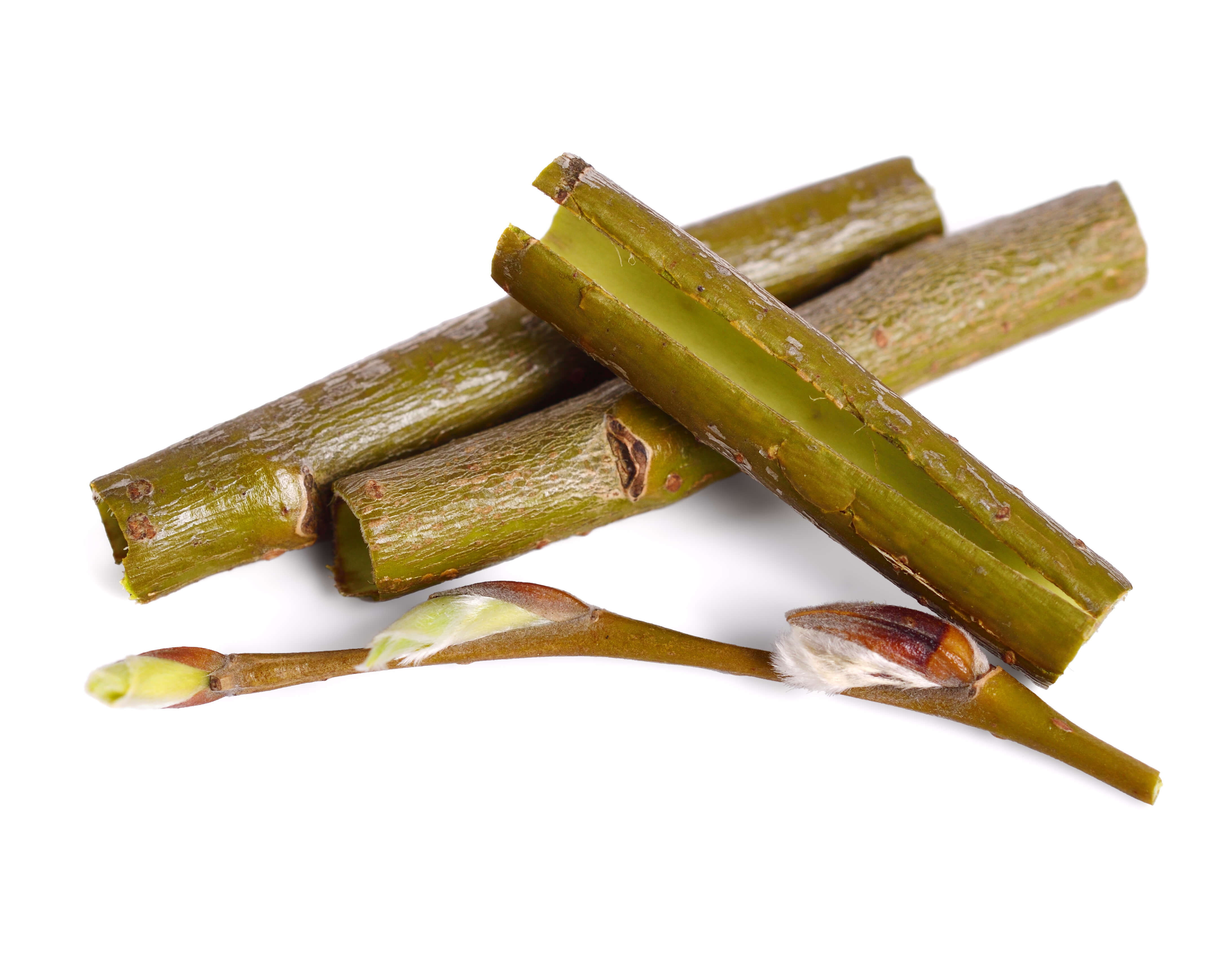
Azelaic acid can be combined thoughtfully with salicylic acid or natural salicylates from willow bark. The two pathways complement each other:
- azelaic acid supports inflammation control, pigmentation regulation and follicular balance,
- salicylates support exfoliation, pore clarity and renewal.
Key takeaways
Azelaic acid represents a shift in how active ingredients are understood. It works as a regulator of skin function:
- balancing the microbial environment,
- calming inflammation,
- refining pigmentation,
- supporting barrier integrity.
Importantly, it is also naturally present within the skin ecosystem, reinforcing its compatibility with biological processes. In modern skincare, where sensitivity and overstimulation are increasingly common, azelaic acid offers a more sustainable approach by guiding the skin back toward balance.