Skip to content

Cart

Your cart is empty

Why Does Skin Feel Dry, Reactive or Sensitive Even When You Use Good Skincare Products?

You’re using quality skincare.
You moisturise.
You’re careful with ingredients.

And yet your skin still feels dry, reactive, tight, or unpredictable.

This is one of the most common — and most confusing — skincare frustrations.

If products seem to help briefly and then stop working, or if your skin reacts more over time instead of calming down, the issue is rarely the product quality.

The Real Problem Is Often a Compromised Skin Barrier

The skin barrier is the outermost protective layer of the skin.

Its role is to:

  • retain moisture
  • protect against irritants and environmental stress
  • regulate what enters and leaves the skin 

When the barrier is intact, skin stays hydrated, calm, and resilient. When it’s compromised, moisture escapes more easily and irritants penetrate faster — leading to dryness, sensitivity, and reactivity.

This is why skin can feel dry even when you moisturise regularly.

Common Causes of Skin Barrier Damage

Skin barrier damage is rarely caused by one single mistake. It’s usually cumulative.

Over-cleansing and over-exfoliation

Frequent cleansing, strong surfactants, or repeated exfoliation can strip protective lipids faster than the skin can replace them.

Too many unbalanced active ingredients at once 

Retinoids, acids, vitamin C, and exfoliating enzymes all increase biological demand. Without a proper recovery phase or lipid balancing system, the barrier weakens over time.

Seasonal and environmental stress

Cold weather, wind, low humidity, air conditioning, and heating weaken the barrier and increase transepidermal water loss.

Inconsistent routines and product hopping

Constantly changing products prevents the skin from stabilising and adapting.

Over time, the skin spends more energy on damage control than on maintenance.

The instinctive response is often to add more.

Why Adding More Products Often Makes Skin Worse
When skin starts misbehaving, the instinctive response is escalation:

  • stronger actives
  • more layers
  • faster visible change

Short-term improvement is possible — but often at the cost of tolerance.

Repeated escalation increases:

  • barrier disruption
  • low-grade or hidden inflammation
  • oxidative pressure

Eventually, skin becomes less tolerant, not more responsive.

This is not a failure of individual ingredients.
It’s a failure of routine design.

How to Repair the Skin Barrier (Without Starting From Zero)
Skin does not always need to be pushed forward. Often, it needs conditions that allow it to operate more evenly.

Repairing the skin barrier means reducing fluctuation and supporting the skin’s baseline function.

A barrier-repair approach focuses on:

  • lowering active overload
  • using barrier-compatible lipids
  • avoiding unnecessary pH stress
  • prioritising consistency over intensity

When stress is reduced, the skin can redirect energy toward repair instead of constant recovery. This does not eliminate visible improvement.
It changes how improvement happens.

What to Look for in a Barrier-Repair Skincare

Not all moisturisers support barrier recovery equally.

Key components to look for include:

  • ceramides to support barrier continuity
  • squalane and skin-identical lipids to reduce water loss
  • niacinamide to support barrier competence and even tone
  • panthenol to improve comfort and hydration retention

Equally important is formulation structure. A cream is not just a list of active ingredients - it is a formula with synergy. The vehicle determines:

  • how ingredients interact with the skin
  • whether signals are perceived as supportive or irritating
  • how much energy the skin must spend to adapt 

Barrier-compatible emulsions, phospholipids, and skin-identical lipids determine how easily the skin can integrate the formula — and how much effort adaptation requires.

The Role of Vitamins in Long-Term Skin Balance

Vitamins are often marketed as powerful “boosters” that push the skin to change faster.
In reality, their most important role in skincare is supportive, not stimulatory.

When used correctly, vitamins can help:

  • reduce stress on the skin barrier
  • support natural repair processes
  • manage oxidative pressure
  • improve skin tolerance over time

However, vitamins only support barrier repair when they are used thoughtfully.

Problems arise when vitamins are:

  • applied in overly high concentrations
  • layered with multiple strong actives
  • delivered in formulations that stress the skin

For barrier-compromised or reactive skin, how vitamins are formulated matters as much as which vitamins are used.

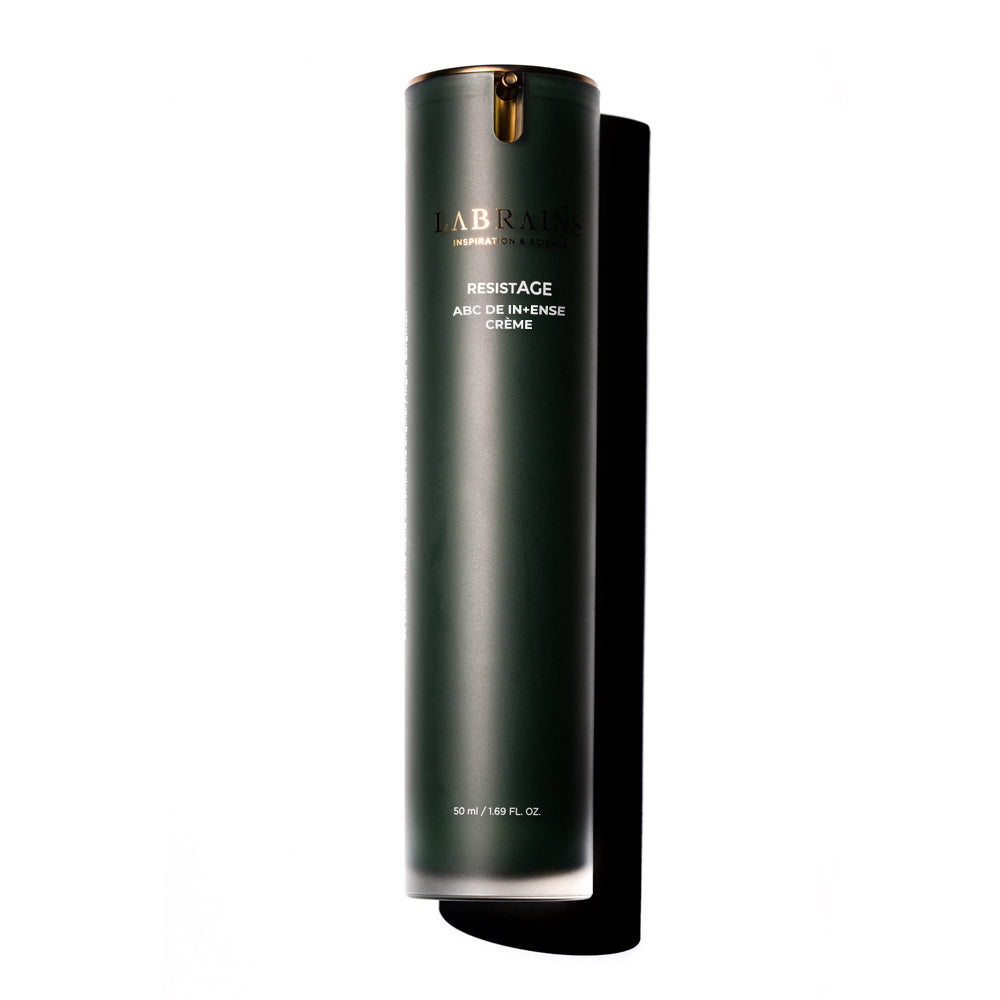
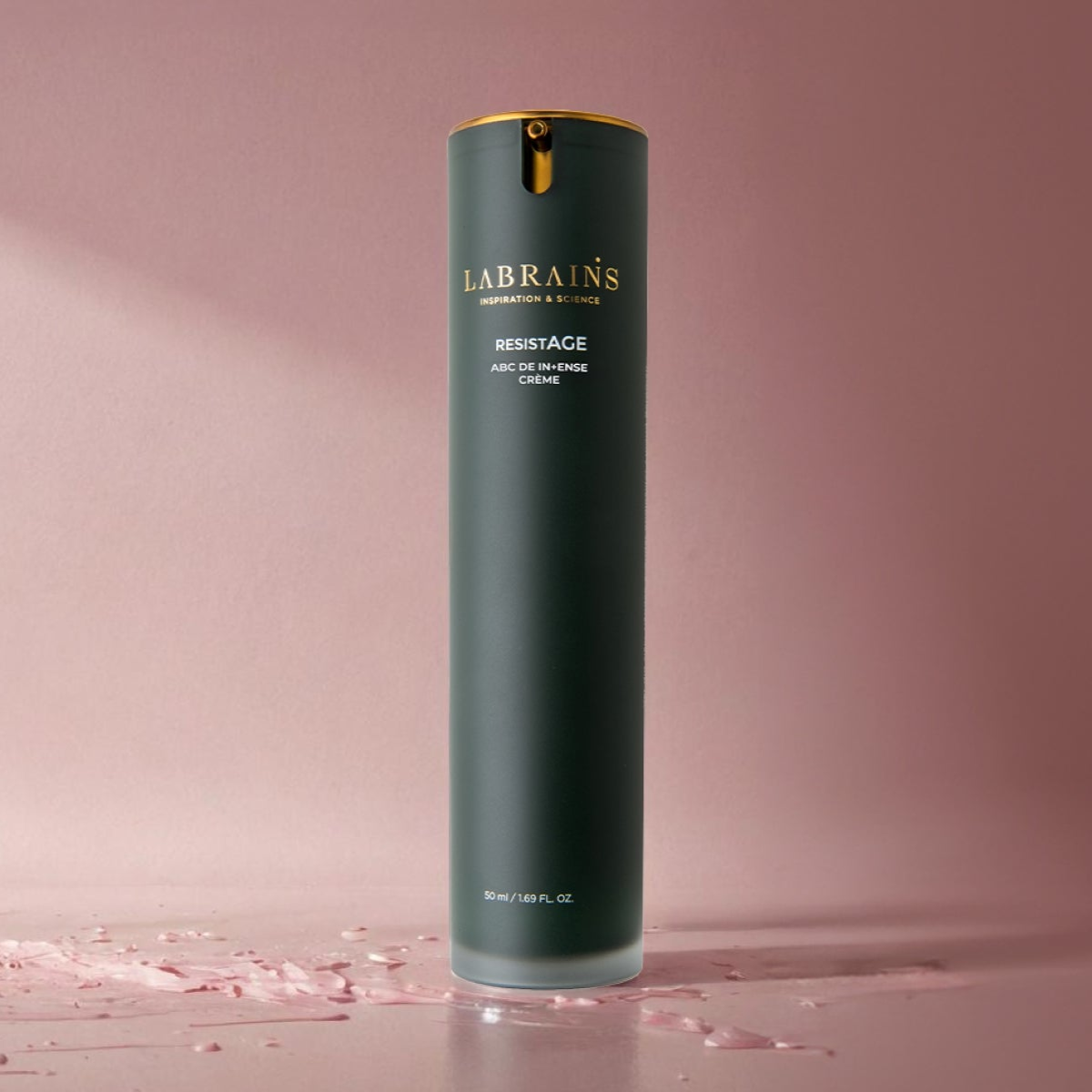
bottle of LABRAINS abc de intense creme on pink background

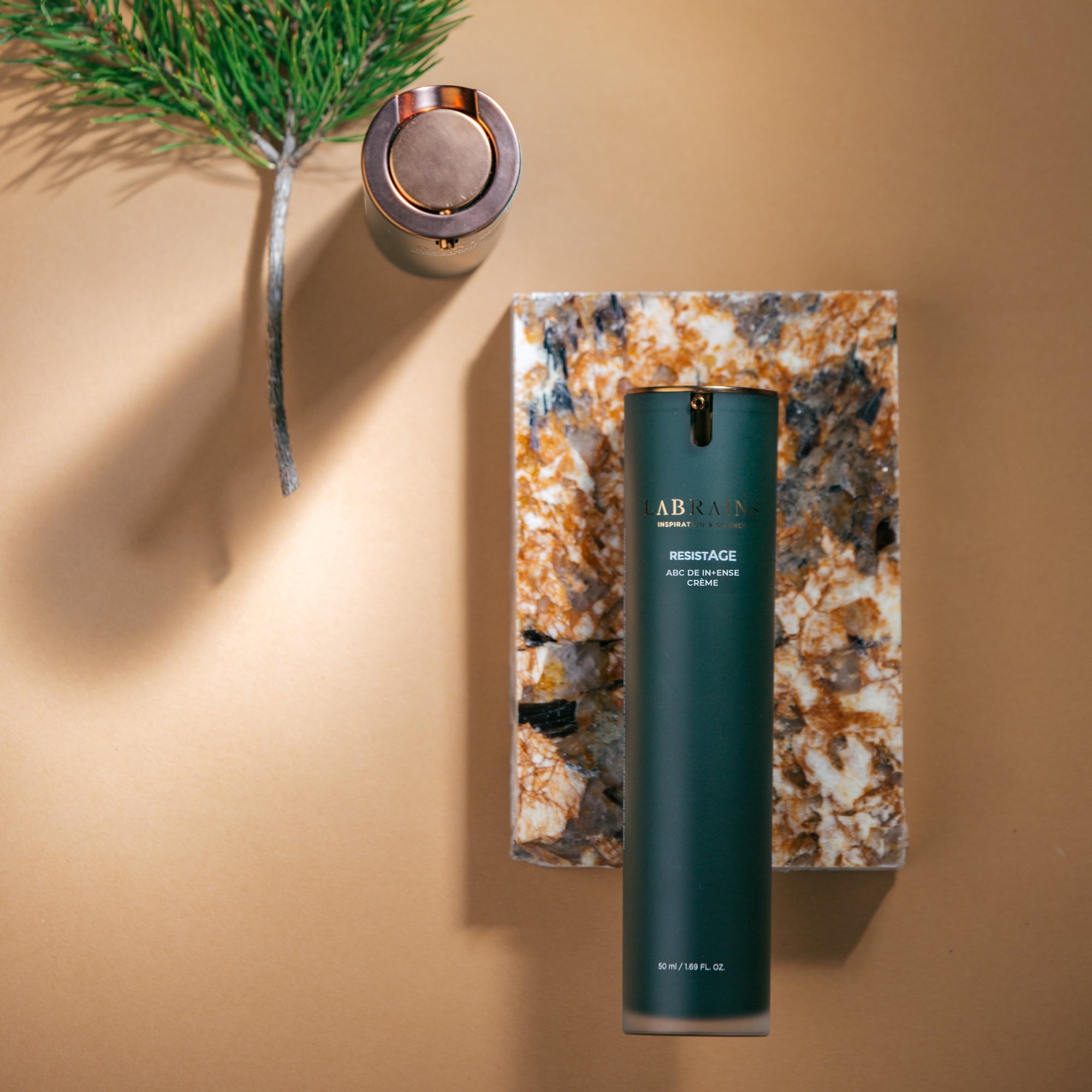
Meet ABC de Intense: a Cream that Fits in a Skin Barrier Repair Routine

ABC de Intense is designed to act as a daily stabilising layer within a barrier-focused routine.

Rather than forcing rapid change, it supports:

  • barrier compatibility
  • reduced oxidative pressure
  • improved tolerance over time

Its biomimetic vitamin and lipid system distributes the workload across multiple supportive ingredients instead of relying on a single aggressive mechanism.

ABC de Intense is a daily vitamin complex that helps support skin stability when the barrier is under increased demand, such as during:

  • environmental stress and pollution
  • routine overload or frequent active use
  • seasonal dryness and climate changes
  • travel or in-clinic procedures

Instead of forced change, its role is to normalise skin conditions and reduce fluctuation.

By supporting the skin’s baseline function, ABC de Intense helps maintain comfort, tolerance, and consistency — allowing other parts of the routine to work more predictably over time.

ABC de Intense is formulated as a biomimetic vitamin and lipid system with bakuchiol, designed to support skin barrier repair without relying on a single aggressive mechanism. Instead of overloading the skin, the formula distributes support across barrier-compatible lipids (such as jojoba oil, squalane, shea butter, caprylic/capric triglycerides, and ceramide NP) to reduce transepidermal water loss, vitamin synergy (niacinamide B3, panthenol B5, vitamin C derivatives, and vitamin B12) to improve hydration, comfort, antioxidant protection, and tolerance, as well as bakuchiol as a measured refinement signal for smoother texture and more even tone — all within a supportive context that preserves long-term skin tolerance while visible quality improves.

What Results to Expect (and What Not to Expect)

A barrier-repair routine does not promise:

  • overnight transformation
  • dramatic resurfacing
  • immediate visual shock

What it supports instead:

  • improved comfort
  • smoother texture over time
  • calmer appearance
  • fewer setbacks and resets
  • easier long-term maintenance

Consistency — not intensity — is the mechanism.

How Long Does Skin Barrier Repair Take?

Barrier recovery happens in stages:

  • a few days: improved comfort and reduced tightness
  • 2–4 weeks: decreased reactivity and better hydration retention
  • several weeks: improved resilience and predictability

The exact timeline depends on how compromised the barrier was to begin with — and how consistently the routine is followed.

How to integrate ABC de Intense into a routine

ABC de Intense can be used daily, morning and/or evening, on clean skin as part of a simplified routine. During periods of sensitivity or barrier disruption, it works best as a routine anchor for 2–4 weeks, while other products are reduced. When using active ingredients such as retinoids or exfoliating acids, ABC de Intense can be applied as a compatibility layer to help maintain comfort and skin tolerance.

Who This Approach Is Best For

A barrier-first routine benefits:

  • skin that feels dry and reactive at the same time
  • skin fatigued by frequent active use
  • seasonally sensitive skin
  • skin supporting in-clinic procedures
  • anyone prioritising tolerance over intensity

Why This Approach Matters

Many skincare routines chase visible change.
A barrier-first approach prioritises functional continuity.

When the skin no longer spends energy on constant recovery, it can perform better — quietly, predictably, and over time.

That’s when good products finally start to feel like they’re working again.