How to Repair the Skin Barrier (Without Starting From Zero)
Skin does not always need to be pushed forward. Often, it needs conditions that allow it to operate more evenly.
Repairing the skin barrier means reducing fluctuation and supporting the skin’s baseline function.
A barrier-repair approach focuses on:
- lowering active overload
- using barrier-compatible lipids
- avoiding unnecessary pH stress
- prioritising consistency over intensity
When stress is reduced, the skin can redirect energy toward repair instead of constant recovery. This does not eliminate visible improvement.
It changes how improvement happens.
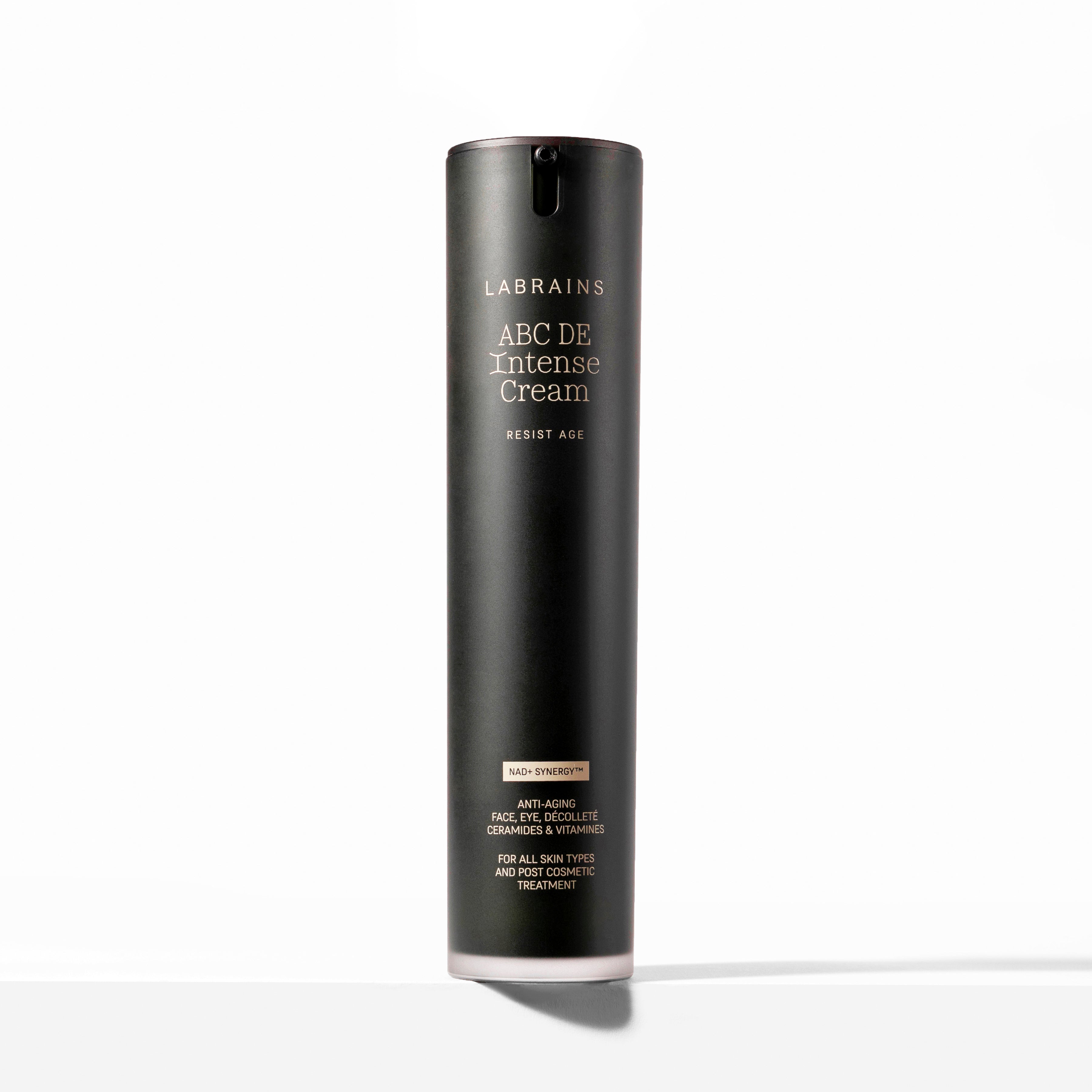
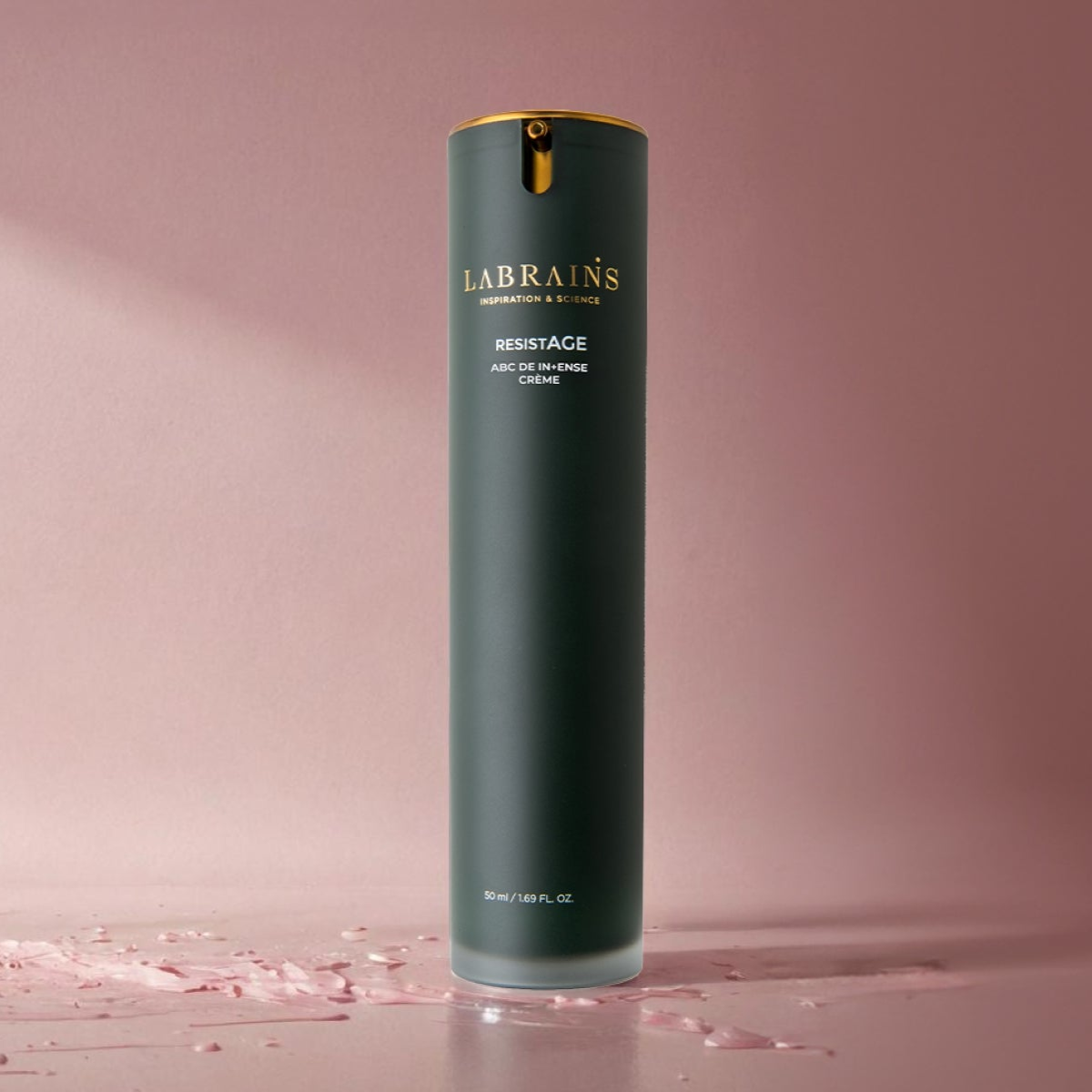
What to Look for in a Barrier-Repair Skincare
Not all moisturisers support barrier recovery equally.
Key components to look for include:
- ceramides to support barrier continuity
- squalane and skin-identical lipids to reduce water loss
- niacinamide to support barrier competence and even tone
- panthenol to improve comfort and hydration retention
Equally important is formulation structure. A cream is not just a list of active ingredients – it is a formula with synergy. The vehicle determines:
- how ingredients interact with the skin
- whether signals are perceived as supportive or irritating
- how much energy the skin must spend to adapt
Barrier-compatible emulsions, phospholipids, and skin-identical lipids determine how easily the skin can integrate the formula – and how much effort adaptation requires.
The Role of Vitamins in Long-Term Skin Balance
Vitamins are often marketed as powerful “boosters” that push the skin to change faster.
In reality, their most important role in skincare is supportive, not stimulatory.
When used correctly, vitamins can help:
- reduce stress on the skin barrier
- support natural repair processes
- manage oxidative pressure
- improve skin tolerance over time
However, vitamins only support barrier repair when they are used thoughtfully.
Problems arise when vitamins are:
- applied in overly high concentrations
- layered with multiple strong actives
- delivered in formulations that stress the skin
For barrier-compromised or reactive skin, how vitamins are formulated matters as much as which vitamins are used.