Main Types of Acne and Their Primary Causes
Acne can be classified into six main types, each with distinct features and underlying causes
1. Comedonal Acne (Non-inflammatory)
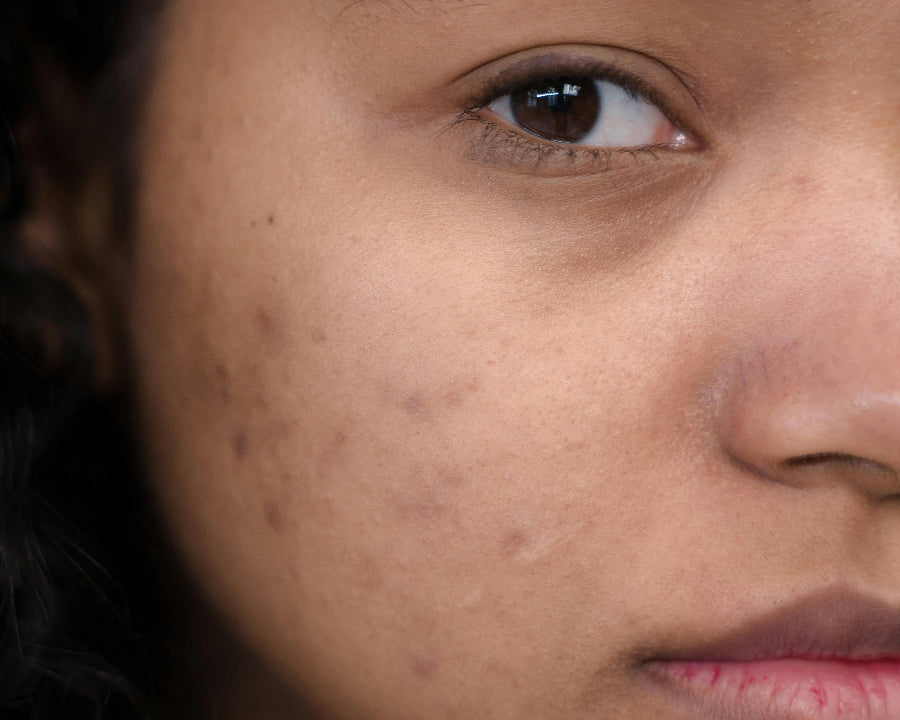
Appearance: Blackheads (open comedones) and whiteheads (closed comedones)
Main causes:
- Hyperkeratinization: Dead skin cells don’t shed properly, clogging pores
- Excess sebum: Traps dead cells inside follicles
- Poor exfoliation or use of comedogenic cosmetics
What to Be Cautious About:
- Over-cleansing strips natural lipids → triggers rebound oiliness
- Using comedogenic “natural” oils (like coconut or cocoa butter)
- Skipping moisturizer just because skin looks oily
- Exfoliating during inflamed phases can cause long-term barrier damage
Key Insight:
Comedonal acne is often the first visible sign of barrier and renewal imbalance.
Don’t wait for inflammation – support ceramide synthesis, gentle exfoliation, and microbiome balanceearly.
2. Papular Acne (Mild Inflammatory)
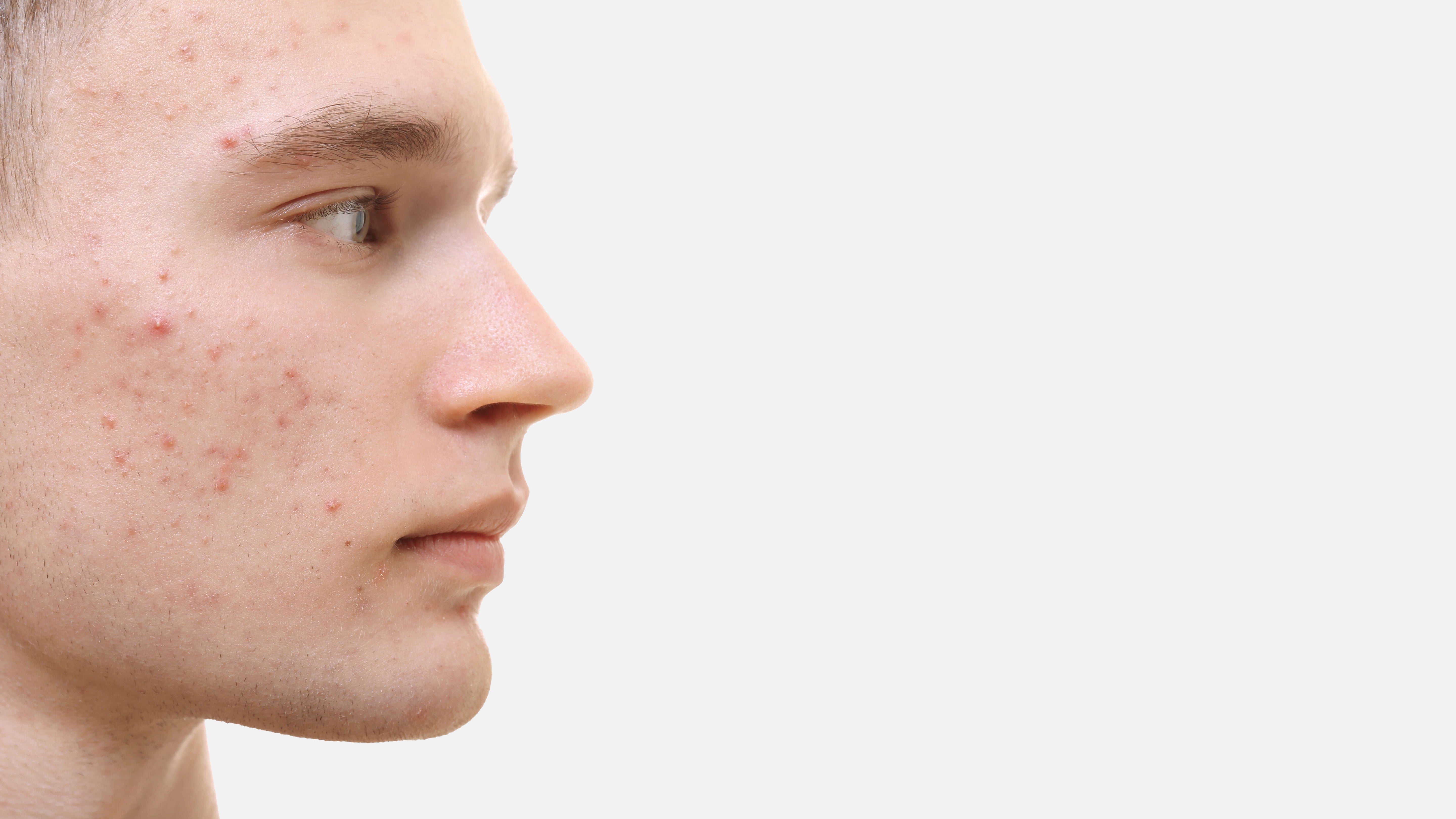
Appearance: Small, red, inflamed bumps (papules) without pus
Main causes:
- Blocked pores with inflammation
- Immune system reaction to C. acnes bacteria in the follicle
- Hormonal triggers that increase oil production
What to Be Cautious About:
- Scrubbing inflamed skin – this spreads bacteria and worsens micro-tears
- Drying alcohol-based products or spot treatments
- Skipping hydration – even oily skin needs ceramide support during inflammation
- Switching products too frequently – destabilizes healing progress
Key Insight:
Papular acne is a signal of immune activation. Calm the skin, support the barrier, and don’t exfoliate blindly. Building up skin strength is more effective than chasing short-term drying.
3. Pustular Acne
Appearance: Red, inflamed lesions with a white or yellow center (pus)
Main causes:
- Inflammation + immune response
- Bacterial overgrowth (especially virulent strains of C. acnes)
- Stress, poor diet, or hormonal fluctuations can worsen it
What to Be Cautious About:
- Spot treatments with benzoyl peroxide – they may break the barrier, worsen PIH
- Picking or squeezing – risk of scarring and deeper infection
- Overusing acids or harsh cleansers – leads to rebound pustules
Key Insight:
Pustular acne is an immune and microbial dysregulation, not just “clogged pores.” You must work with your skinnot against it – by reducing triggers, respecting its microbiome, and prioritizing barrier-first care.
4. Nodular Acne
Appearance: Deep, painful, firm lumps under the skin
Main causes:
- Severe inflammation deep in the skin layers
- Often hormone-driven, particularly androgens
- Genetic predisposition and chronic follicular blockage
What to Be Cautious About:
- Relying solely on retinoids or drying agents – they thin the barrier and increase long-term sensitivity
- Not moisturizing. Dehydrated skin overproduces sebum as compensation
- Overloading active treatments without repair phase leads to chronic inflammation cycles
Key Insight:
Nodular acne is not superficial – it’s a sign of internal dysregulation (hormonal + genetic + inflammatory).
Treat it with deep respect, calming the skin and nourishing the lipid barrier to regain harmony.
5. Cystic Acne
Appearance: Soft, pus-filled lumps under the skin; can scar.
Main causes:
- Excessive immune response
- Hormonal imbalances (often during puberty, PCOS, or stress)
- Often exacerbated by occlusive cosmetics, poor skincare, or high sugar/whey diets
What to Be Cautious About:
- Excessive dryness caused by stripping ingredients (acids, alcohols, retinoids)
- Unrealistic expectations for fast results – cystic acne takes time to resolve
- Picking or squeezing cysts – leads to permanent textural damage
Key Insight:
You don’t fight cystic acne with aggression.
You calm it with strategy, restore your skin’s defensive intelligence, and let the barrier take the lead.
6. Acne Mechanica
Appearance: Acne in areas of friction or pressure (e.g., under mask, helmet, or tight clothing)
Main causes:
- Mechanical friction and sweat
- Trapped moisture and heat disrupt the skin barrier
- Often seen in athletes or in humid environments (e.g., “maskne”)
What to Be Cautious About:
- Over-washing or harsh exfoliation: may worsen barrier damage from friction
- Occlusive ingredients under pressure: avoid silicones, PEGs, dimethicone during mask wear
- Comedogenic sunscreens or makeup: switch to breathable, mineral-based formulas
- Peeling masks: avoid if the area is raw, cracked, or freshly irritated
Key Insight:
Acne Mechanica is a mechanical and environmental condition, not a hormonal one.
Managing friction, fabric, and moisture, combined with microbiome support, leads to long-term stability.
Different Treatments – but the Key to Success Is Constancy and methodology
When looking at different types of acne and their root causes – especially when considering that many people have a combination of types – it becomes clear that not all acne is the same, nor should it be treated with the same routine.
Some cases require a phased approach:
- an initial stage (to calm inflammation and/or to break biofilm),
- an intermediate stage (to support healing), and
- a reparative or supplementation stage (to restore and rebalance the skin).