What Is Vitamin B12 and its Role in Skincare?
Vitamin B12 (INCI: Cyanocobalamin) is a structurally complex vitamin that acts as a cofactor in cellular metabolism and DNA synthesis.
In topical skincare, B12 is used in very small concentrations – usually fractions of a percent. It is not there to “feed” skin like an oral supplement. Instead, it is used to support skin that looks and feels stressed: redness, tightness, discomfort, barrier fragility, or dullness after environmental exposure.
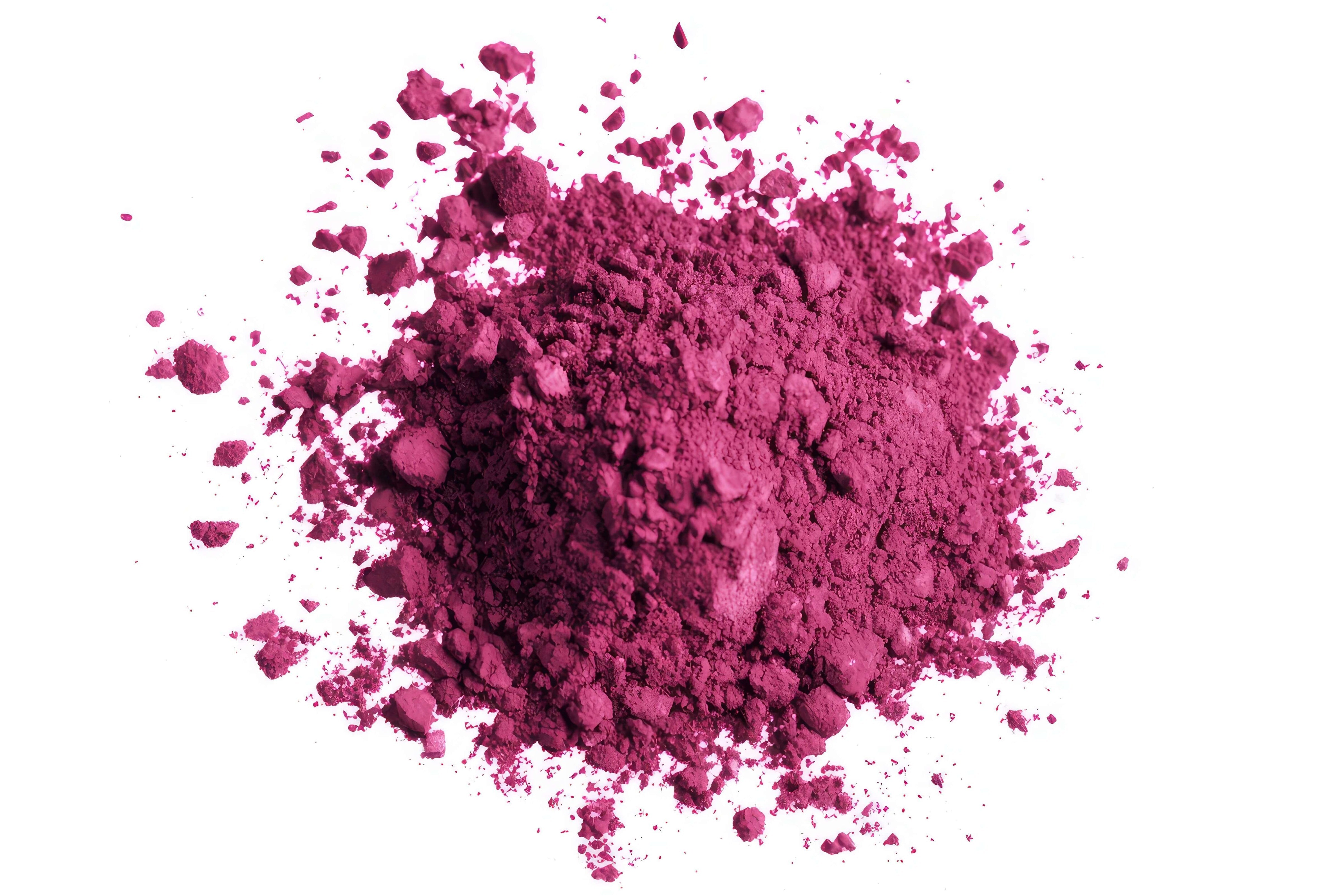
You may notice a soft pink tone in B12 formulas. That color comes from the molecule itself, not from added dyes.
Who Benefits Most From Vitamin B12?
Vitamin B12 is not a “one-problem solution” ingredient. It tends to be most useful when barrier weakness and inflammation are linked.
It may be particularly suitable if your skin is:
- Sensitive or easily irritated;
- Prone to redness, itching, or flushing;
- Weakened after procedures, travel, or seasonal transitions;
- Reactive to UV exposure, pollution, or friction;
- Struggling with microbiome imbalance.
In simple terms: Vitamin B12 is less about hydration and more about helping skin react less dramatically to stress signals.
Vitamin B12 Benefits for Skin
1. Calming Redness and Inflammation
Topical vitamin B12 may help reduce redness and inflammation in sensitive and atopic-prone skin.
Redness and discomfort are often not just surface irritation. They can be signs that skin’s immune signaling is on high alert – and that stress messages are being amplified inside cells.
Research suggests it
- acts as a nitric oxide scavenger (a molecule linked to itching and redness),
- modulates inflammatory cytokines,
- influences microRNAs – tiny gene “switches” that regulate the skin’s inflammatory alarm system (inflammasome).
In a randomized placebo-controlled study, vitamin B12 improved atopic dermatitis severity and was well tolerated. While it does not treat disease, these findings explain why vitamin B12 is used in dermocosmetic formulations for redness-prone and reactive skin.
Clinical study: https://pubmed.ncbi.nlm.nih.gov/15149512/
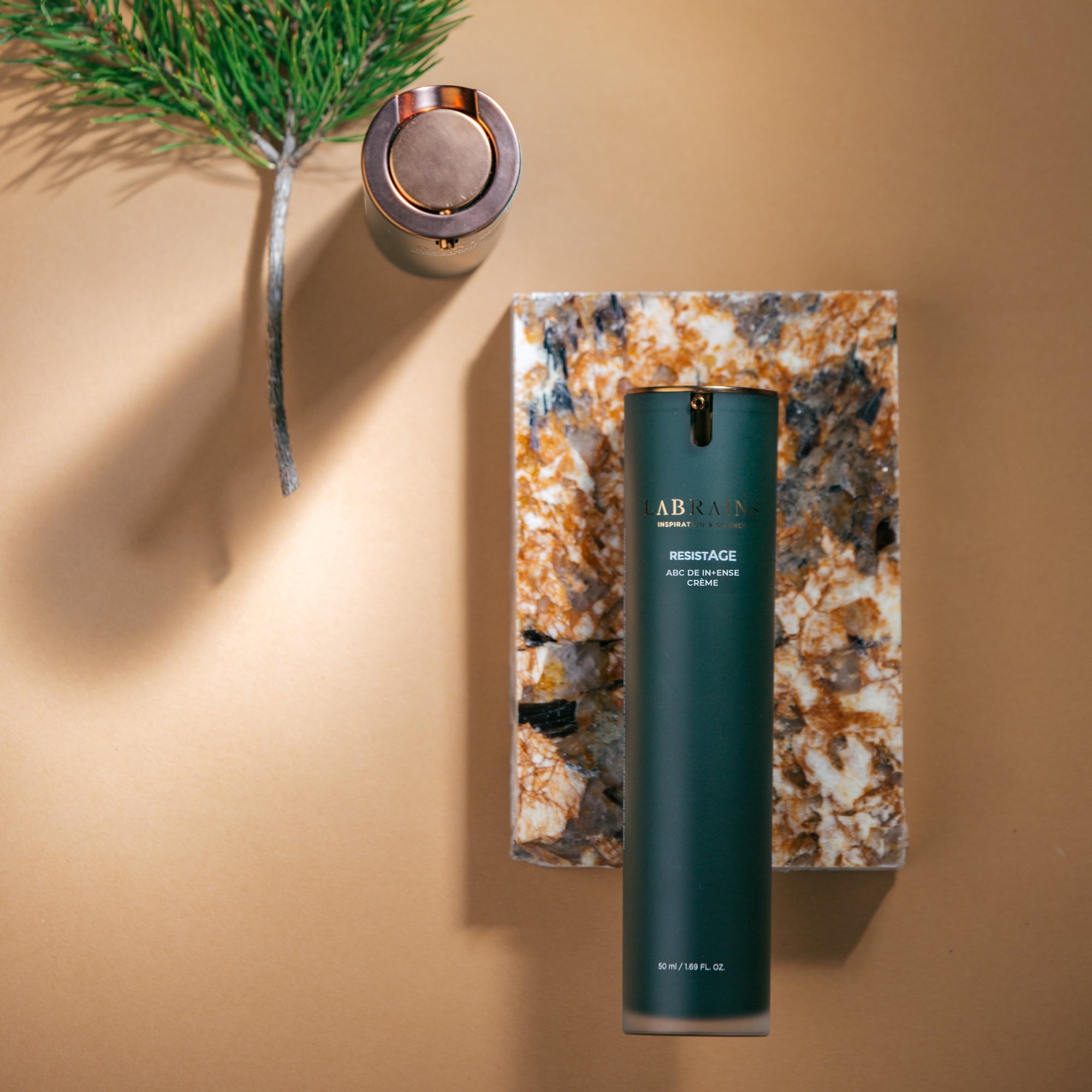
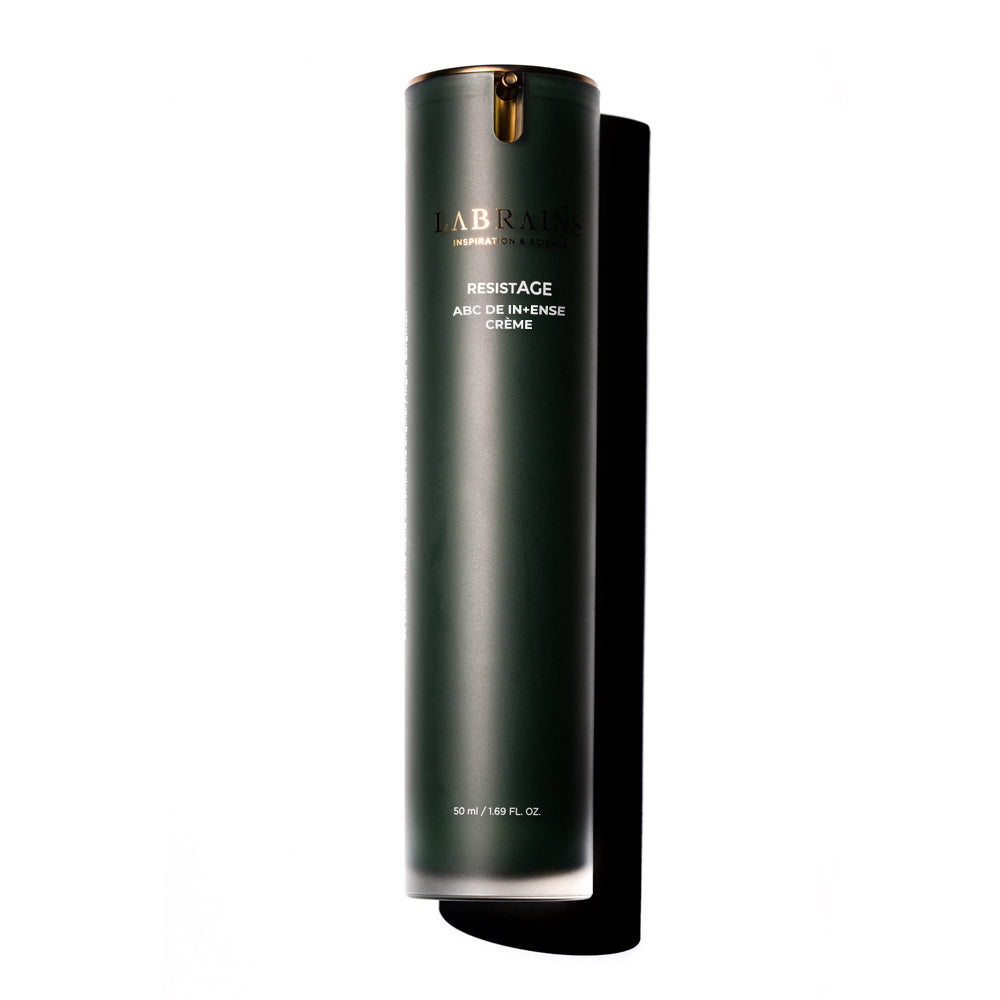
LABRAINS approach: True soothing is not “cooling.” It is reducing the probability of flare – so the same trigger produces a smaller reaction.
2. Skin Barrier Repair Support
Barrier repair depends on:
- controlled inflammation,
- orderly cell maturation (proper keratinocyte differentiation),
- microbiome stability.
When these processes are disrupted, skin becomes fragile, dehydrated, and reactive.
Vitamin B12 supports barrier recovery indirectly by helping reduce inflammatory load and supporting a calmer cellular environment – conditions in which repair processes can proceed more efficiently.
That can translate into:
- less micro-damage,
- improved moisture retention,
- better tolerance to external stressors.
LABRAINS approach: Barrier support is architecture: vehicle choice, pH discipline, and ingredient decisions that respect native skin ecology.
3. Microbiome Balance
Healthy skin is not sterile. It hosts a microbiome that shapes immune balance and barrier integrity.
Imbalance can allow inflammation-associated bacteria to dominate. For example, Staphylococcus aureus overgrowth is linked to atopic flare dynamics.
Emerging data suggests vitamin B12 may help support a more balanced microbial environment – not by sterilizing the skin, but by supporting resilience.
LABRAINS approach: Microbiome resilience is not an antimicrobial wipeout. It is supporting conditions where commensal organisms can compete and the barrier can recover.
4. Anti-Aging Properties
Vitamin B12 is not a classic collagen-stimulating anti-wrinkle active.
Its role in aging skin is more preventative in the early stages of inflammaging – the chronic low-grade inflammation that weakens tissue quality over time.
Inflammaging contributes to:
- slower repair cycles,
- reduced barrier resilience,
- increased sensitivity,
- progressive collagen decline.
Vitamin B12 fits best when aging is paired with sensitivity, reactivity, or barrier instability. If your primary concern is deep structural sagging without sensitivity, B12 is supportive rather than central.
LABRAINS approach: Longevity skincare is not only about doing more. It is about lowering the biological cost of stress – so skin stays calm, functional, and resilient.
Why Vitamin B12 Is Rare in Skincare
Even with the rise of vitamin-based cosmetics, Vitamin B12 remains relatively uncommon in new product launches. There are two reasons:
- Stability
Vitamin B12 is technically sensitive. It is vulnerable to light and heat. Keeping it stable requires formulation discipline and thoughtful packaging.
- Ingredient quality
You will often see the same INCI name: Cyanocobalamin. However, the ingredient quality can differ depending on sourcing, purification discipline, and stability handling.
In 2024, traceable, non-GMO, fermentation-derived vitamin B12 became available for cosmetic use, allowing higher consistency and compatibility with barrier-focused formulation strategies. Because Vitamin B12 interacts with sensitive biological pathways, LABRAINS uses a traceable, non-GMO fermentation-derived version optimized for consistency and biological compatibility – not just visual effect or cost efficiency.
For LABRAINS, ingredient origin is not just a marketing detail. It influences biological compatibility.