Skip to content

Cart

Your cart is empty

Summer Skincare by Facial Ageing Type: 4 Profiles and Their Seasonal Needs

Summer does not affect every face in the same way. While some people notice worsening fine lines, others experience puffiness, redness, pigmentation, or breakouts. These differences are largely explained by facial ageing type, which influences how skin responds to heat, UV radiation, humidity, and seasonal stress. Understanding your dominant ageing type can help you choose a more effective summer skincare routine.

Why Summer Affects Every Face Differently

In summer, while some people notice drier skin and more visible fine lines, others experience puffiness, redness, breakouts, or worsening pigmentation. Heat, UV radiation, humidity, sweating, air conditioning, and more frequent cleansing place different demands on the skin, but how these changes appear depends on each person’s underlying skin biology rather than the season alone.

Factors such as skin barrier integrity, dermal density, subcutaneous fat, facial muscle structure, vascular reactivity, baseline inflammation, and the skin’s ability to repair itself all influence how it responds to summer. These characteristics form the basis of the four facial ageing types: dry (also atrophic or fine-line), deformative, muscular, and tired (also inflammatory or reactive).

Looking at facial ageing type provides a more useful guide than simply describing skin as dry, normal, or oily. Each ageing profile has its own seasonal vulnerabilities. Dry ageing skin is more prone to dehydration and lipid loss, deformative ageing skin benefits from lightweight formulations that do not contribute to congestion, muscular ageing skin requires consistent protection against cumulative UV damage, and tired ageing skin needs particular attention to barrier support and inflammation control. What all ageing types share is the need for gentle cleansing, adequate hydration, and daily broad-spectrum sun protection.

Which Facial Ageing Type Describes Your Skin?

Before adapting your summer skincare routine, it helps to identify your dominant facial ageing type. Most people have characteristics of more than one profile, but one usually becomes more prominent over time and largely determines how the skin responds to seasonal changes.

The four facial ageing types described below are not medical diagnoses. They are a practical way of understanding which summer challenges your skin is most likely to face and which skincare priorities deserve the greatest attention.


Ageing Type

How to Recognize

Typical Summer Challenge

Main Summer Skincare Priority

Dry (Atrophic / Fine-Line)

Skin is thin, tends to feel dry, and develops fine lines earlier than deeper wrinkles.

Heat, UV radiation, and air conditioning increase transepidermal water loss (TEWL), making dehydration and fine lines more noticeable.

Replenish moisture and lipids with multi-molecular hyaluronic acid, ceramides, squalane, and daily broad-spectrum SPF.

Deformative (Gravitational)

Skin is denser and fuller, with a tendency towards facial heaviness, puffiness, and sagging over time.

Heat, humidity, sweat, and layered sunscreen can worsen puffiness, congestion, and breakouts.

Choose lightweight, fast-absorbing formulations and perform thorough evening cleansing to remove SPF, excess sebum, and pollutants.

Muscular

Facial contours remain well defined for longer, with relatively few fine lines but increasingly noticeable expression lines.

Skin often looks healthy in summer, masking cumulative UV damage and oxidative stress beneath the surface.

Prioritize daily broad-spectrum SPF 30/50, antioxidant protection, and gentle barrier support.

Tired (Inflammatory / Reactive)

Skin is easily irritated and prone to persistent redness, flushing, sensitivity, or uneven pigmentation.

Heat and UV exposure can trigger inflammation, rosacea flare-ups, and worsening hyperpigmentation.

Calm inflammation, strengthen the skin barrier and microbiome, and postpone intensive pigmentation treatments until autumn.

Summer Skincare Strategies for Each Facial Ageing Type

Skin ageing is not only about collagen loss. Over time, skin cells become less efficient at producing energy, repairing damage, maintaining structural proteins, controlling inflammation, retaining water, and supporting a healthy skin microbiome. During summer, UV radiation accelerates these processes by increasing oxidative stress, damaging DNA and structural proteins, impairing mitochondrial function, and contributing to the accumulation of senescent (“zombie”) cells. These biological changes affect every skin, but they do not become visible in the same way. Each facial ageing type has its own structural characteristics and vulnerabilities, which determine how summer stress manifests and which skincare strategies are most beneficial.

Below, we explore each facial ageing type in detail, explaining its characteristic summer challenges, the biological changes involved, and the ingredients that can help support healthy, resilient skin.

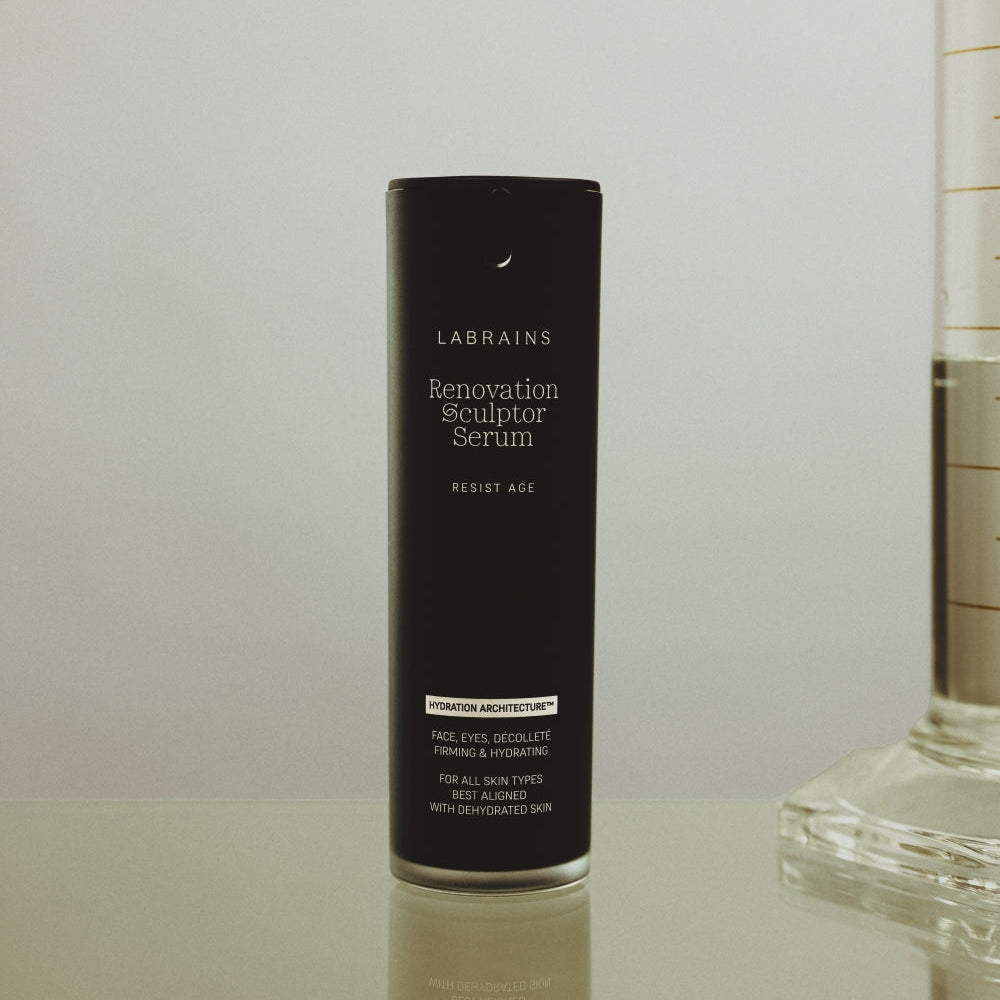
LABRAINS Renovation Sculptor Serum on a reflective surface with a neutral background

Dry (Atrophic or Fine-Line) Aging Type

Atrophic skin is characterised by a thinner skin structure, lower lipid levels, and reduced water retention. During summer, heat, UV radiation, and air conditioning weaken the skin barrier and increase transepidermal water loss (TEWL). As a result, fine lines become more noticeable, skin may feel tight despite sweating, and the complexion can appear thinner and less supple.

Summer Skincare Priorities

The focus should be on restoring both hydration and lipids. A hyaluronic acid serum alone is rarely enough, as humectants need barrier-supporting lipids to help retain moisture.

Key ingredients: Multi-molecular hyaluronic acid, Sodium PCA, glycerin, ceramides, phospholipids, and squalane.

Main priority: Support the skin barrier, maintain multi-level hydration, and use broad-spectrum SPF daily to minimise UV-induced collagen degradation.

Deformation (Gravitational) Ageing Type

The deformation type is characterised by denser skin, a thicker layer of subcutaneous fat, and a tendency towards fluid retention and tissue sagging. Summer humidity may temporarily make the skin appear smoother, but this effect is only superficial. At the same time, heat dilates blood vessels, while sweat, excess sebum, sunscreen, and pollution can contribute to facial puffiness, congestion, and breakouts.

Summer Skincare Priorities

The goal is to maintain hydration without overloading the skin. Lightweight formulations help support the skin barrier while reducing the risk of congestion.

Key ingredients: Lightweight humectants, niacinamide, and non-heavy lipid systems.

Main priority: Choose lightweight, fast-absorbing moisturisers and cleanse thoroughly each evening to remove sunscreen, excess sebum, and daily impurities. A gentle double cleansing routine can help minimise congestion while maintaining a healthy skin barrier.

Muscular Ageing Type

The muscular ageing type is characterised by well-defined facial contours, pronounced musculature, and skin that remains firm for longer. During summer, a light tan and higher humidity can make the complexion appear smoother and more even, often masking the early signs of ageing. However, beneath the surface, UV radiation continues to accelerate photoageing by increasing oxidative stress, damaging DNA and structural proteins, and impairing the skin’s natural repair processes.

Summer Skincare Priorities

The goal is to protect the skin from cumulative UV damage while supporting its long-term resilience. Although muscular skin often appears less affected by summer, consistent protection is essential to help preserve its youthful structure.

Key ingredients: Broad-spectrum SPF 30/50, potent antioxidants such as vitamin C or polyphenols, and hydrating barrier-supporting ingredients.

Main priority: Apply broad-spectrum sunscreen every day, support the skin with antioxidants, and avoid unnecessary over-exfoliation that can compromise the skin barrier.

Tired (Inflammatory or Reactive) Ageing Type

Summer is often the most challenging season for reactive skin. Heat, UV radiation, and sudden temperature changes trigger vasodilation, contributing to persistent redness, burning sensations, visible blood vessels, rosacea flare-ups, and worsening hyperpigmentation.

Pigmentation is a natural protective response to UV exposure and inflammation. Repeated inflammatory signals stimulate excess melanin production, meaning intensive pigmentation treatments during summer may increase irritation and contribute to further pigmentation instead of improving it.

Summer Skincare Priorities

The goal is to minimise inflammation, strengthen the skin barrier, and protect the skin from further UV-induced damage.

Key ingredients: Prebiotics, soothing botanical extracts, skin-identical ceramides, and well-tolerated broad-spectrum SPF.

Main priority: Focus on calming reactivity, supporting the skin microbiome and barrier, and postpone intensive pigmentation correction until autumn and winter when UV exposure is lower.

Universal Summer Skincare Principles for All Facial Ageing Types

Although each facial ageing type responds differently to summer, the underlying priorities remain remarkably consistent. UV radiation, heat, air conditioning, and environmental stress place extra demands on the skin barrier, hydration, and cellular repair regardless of age or skin structure. Supporting these fundamental processes helps every skin type remain healthier and more resilient throughout the season.

Across all four ageing types, the most effective summer routine should focus on:

  • Daily broad-spectrum sun protection to minimise cumulative UV damage.
  • Maintaining a healthy skin barrier with biomimetic lipids and adequate hydration.
  • Supporting the skin with antioxidants to help defend against oxidative stress.
  • Choosing skincare textures that suit your individual ageing profile without compromising barrier function.

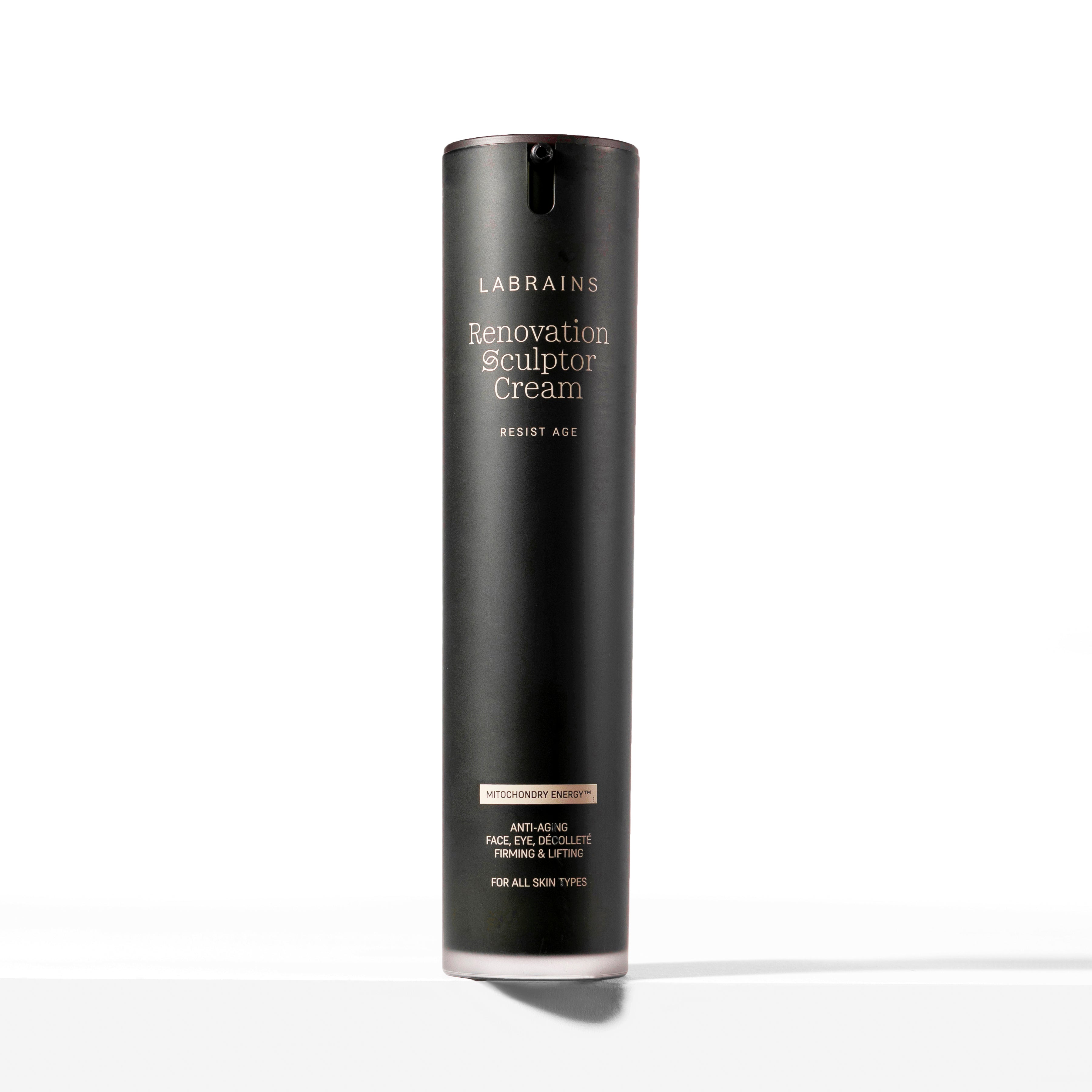
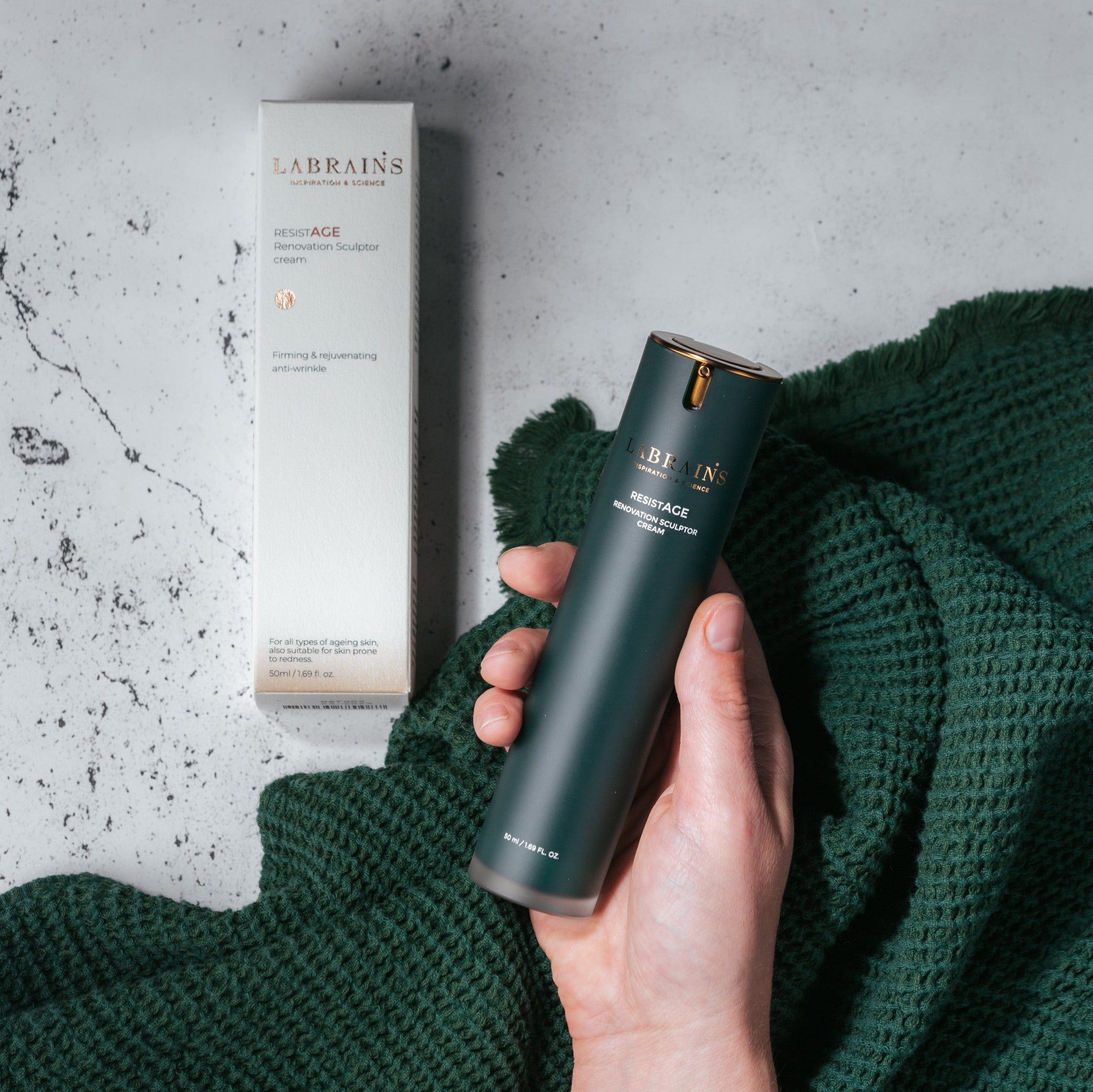
A moisturiser that combines multi-level hydration with barrier-supporting lipids can provide a strong daily foundation for most summer routines. For example, LABRAINS Renovation Sculptor Cream combines multiple forms of hyaluronic acid and Sodium PCA to maintain hydration with ceramides, hydrogenated lecithin, and squalane to reinforce the skin barrier in a lightweight, fragrance-allergen-free formula suitable for a wide range of facial ageing profiles.

No single product can address every aspect of skin ageing. However, maintaining a well-hydrated skin barrier and protecting the skin from unnecessary UV exposure creates the best foundation for healthier, more resilient skin throughout summer and beyond.

Frequently Asked Questions

  • Yes. Most people display characteristics of more than one facial ageing type. However, one profile usually becomes more dominant over time and has the greatest influence on how the skin responds to seasonal changes. Identifying your dominant facial ageing type can help you prioritise the most appropriate skincare strategies while still addressing any secondary concerns.

  • Your facial ageing type is influenced by structural characteristics such as skin thickness, facial muscles, fat distribution, and vascular reactivity, so it usually remains relatively stable. However, ageing, hormonal changes, menopause, weight fluctuations, cumulative sun exposure, and lifestyle can alter how strongly certain characteristics are expressed. As a result, your dominant facial ageing type and skincare priorities may gradually change over time.

  • Skin type describes how your skin functions, for example whether it is dry, oily, combination, or normal. Facial ageing type describes the structural characteristics that determine how ageing develops and how the skin responds to environmental stress, including summer conditions. While skin type helps guide everyday product selection, facial ageing type provides additional insight into which seasonal challenges are most likely to affect your skin and which skincare priorities deserve the greatest attention.

  • Look at your skin’s long-term characteristics rather than temporary changes. Consider whether you are more prone to fine lines and dehydration, facial heaviness and puffiness, pronounced expression lines, or persistent redness and pigmentation. Most people recognise features of several ageing types, but the one that consistently becomes most noticeable over time is usually the dominant profile and the best guide for adapting your skincare routine.

  • Yes. Although each facial ageing type has different vulnerabilities, daily broad-spectrum SPF is essential for all of them. UV radiation accelerates photoageing by increasing oxidative stress, damaging DNA and structural proteins, weakening the skin barrier, and contributing to pigmentation changes. Consistent sun protection helps minimise cumulative UV damage while supporting healthier, more resilient skin throughout the summer and beyond.