Skip to content

Cart

Your cart is empty

Best SPF for Sensitive Skin: What Matters Beyond Sun Protection

The best SPF for sensitive skin should do more than protect against UV rays: a good sunscreen helps reduce sun damage while staying comfortable on reactive skin, supporting the skin barrier, and lowering the risk of redness, burning, breakouts, or irritation. For sensitive, acne-prone, rosacea-prone, or easily stressed skin, choosing SPF is not only about SPF 30 or SPF 50. It is about how the whole formula works with your skin, all day, every day.

Daily sunscreen is one of the most important habits for long-term skin health. Ultraviolet radiation is a major driver of premature aging, pigmentation, collagen breakdown, and inflammation, but sunscreen is also a leave-on product. It sits on the skin for hours and interacts with the barrier, the microbiome, and the skin’s natural surface environment. That is why formulation matters so much, especially when the skin is already sensitive.

What Matters Besides the SPF Level

Most people compare sunscreens by looking at one thing: the SPF value. SPF 30, SPF 50, or SPF 50+ can tell you something about protection, but it does not tell you how the product will feel, whether it will sting, or whether your skin will tolerate it every day.
Two sunscreens with the same SPF can behave very differently. One may feel light and calming, while another may feel heavy, sting, clog pores, or trigger redness.
The difference often comes from the full formula, including:

  • UV filters that provide sun protection,
  • emulsifiers that shape the texture,
  • preservatives that keep the product safe,
  • film-formers that help the product stay on the skin,
  • humectants that support hydration,
  • pH-adjusting ingredients that influence skin comfort.

Learn more about potentially irritating ingredients commonly found in skincare products here: Potentially harmful ingredients in skincare to avoid

For sensitive skin, these details matter because the skin reacts to the whole product, not just the SPF number.

Why Some Sunscreens Irritate Sensitive Skin

If sunscreen makes the skin sting or turn red, it does not always mean the SPF is too low. More often, the skin is reacting to the overall formulation.

Common triggers may include*:

  • alcohol-heavy textures,
  • fragrance allergens,
  • strong preservative systems,
  • harsh emulsifiers,
  • heavy film-forming agents,
  • high concentrations of certain UV filters.

*Potentially harmful ingredients in skincare to avoid

On reactive skin, these triggers may lead to:

  • burning or itching,
  • redness,
  • breakouts,
  • rosacea flare-ups,
  • perioral dermatitis-like symptoms.

This is why sensitive skin needs a more careful approach. The right SPF should protect the skin without making it feel like the skin has to fight the product all day.


Why pH Matters in Sunscreen

Skin naturally prefers a slightly acidic surface environment, usually around pH 4.5 to 5.5. This acidic balance helps the skin:

  • maintain a stronger barrier,
  • process lipids properly,
  • keep the microbiome in better balance,
  • defend itself against irritation.

Many sunscreen formulas sit closer to neutral pH because some UV filters and emulsions are more stable that way. For resilient skin, this may not be noticeable. For sensitive or compromised skin, repeated use of less skin-compatible products may contribute to dryness, slower barrier recovery, and more frequent discomfort.
A sunscreen with a skin-friendly feel and a well-considered pH can make daily protection easier to maintain, especially for skin that becomes red, tight, or reactive quickly.

Can Sunscreen Affect the Skin Microbiome?

The skin microbiome is the community of microorganisms that live on the skin’s surface and help support its natural balance. Research into sunscreen and the microbiome is still developing, but the question is important because sunscreen is worn for many hours, often every day.
Preservatives help keep sunscreen safe, film-formers improve staying power and water resistance, and UV filters provide sun protection. While these ingredients serve important purposes, they can also affect the skin’s surface environment, including moisture levels, temperature, and how comfortable the product feels during long wear.
This does not mean sunscreen is harmful. UV exposure causes far more damage than approved sunscreen ingredients. It simply means that for sensitive skin, formula quality matters. A good SPF should protect against the sun while respecting the skin’s natural balance.

Mineral vs Chemical Sunscreen: Which Is Better?

Mineral sunscreens usually use zinc oxide and titanium dioxide. They are often a good option for sensitive skin because they:

  • provide broad-spectrum protection,
  • are generally well tolerated,
  • protect immediately after application.

Their possible drawbacks include:

  • thicker textures,
  • a visible white cast,
  • a less elegant finish, depending on the formula.

Organic UV filters, often called chemical filters, can offer:

  • lighter textures,
  • greater transparency,
  • a more invisible finish,
  • easier daily wear, especially under makeup.

However, some sensitive skin types may react to certain formulas more easily. Neither option is universally better. The best choice depends on your skin’s tolerance, the full ingredient base, and whether the product feels good enough to use every morning.

Why Iron Oxides Deserve More Attention

Iron oxides are often found in tinted sunscreens, and they are especially useful for skin prone to pigmentation. They help protect against visible light, which can contribute to melasma, hyperpigmentation, and post-inflammatory marks.

For pigment-prone skin, a tinted SPF with iron oxides may offer more complete daily protection than a non-tinted sunscreen with the same SPF number. This is especially relevant for people who notice dark spots after inflammation, acne, sun exposure, or hormonal changes.

What Ages Skin More: Sun or Sunscreen?

This question comes up often, especially online. From a skin health perspective, the answer is clear: excessive UV radiation causes much more damage than approved sunscreen ingredients. UV exposure contributes to:

  • DNA damage,
  • collagen degradation,
  • elastin breakdown,
  • pigmentation disorders,
  • chronic inflammation.

These are key processes behind premature skin aging. However, not every sunscreen suits every skin type. A formula that causes daily irritation can increase barrier stress and discomfort. The goal is not only sun protection, but protection your skin can tolerate and use consistently.

What Makes a Good SPF for Sensitive Skin?

A good sunscreen for sensitive skin should:

  • provide broad-spectrum UVA and UVB protection,
  • minimize irritation potential,
  • respect the skin barrier,
  • support microbiome balance,
  • feel comfortable on the skin,
  • work well enough that you want to use it daily.

That last point matters more than it sounds. The best sunscreen is the one you will use properly: every morning, in enough quantity, and with reapplication when needed. A product that feels unpleasant will usually stay in the bathroom drawer.

A Longevity-Focused View of SPF

Sunscreen has traditionally been seen as a shield against sunlight. Today, a better view is broader. Sun exposure affects much more than the surface of the skin. Over time, it can influence the skin barrier, oxidative stress, inflammation, pigmentation and the skin’s ability to repair itself. This is why next-generation SPF formulas increasingly combine UV protection with ingredients that support skin function, such as ceramides, fatty acids, phytosterols, antioxidants, beta-glucan, panthenol, and microbiome-supportive ingredients.
For sensitive skin, the future of SPF is not only about blocking UV rays. It is about helping the skin stay calm, resilient, and balanced through years of environmental exposure. The best SPF is the one that protects well, feels good, and works with the skin rather than against it.

LABRAINS’ recommended approach

We recommend incorporating short, individually appropriate periods of sun exposure without SPF into your daily routine when the UV Index remains below approximately 3 – typically during the early morning or late evening hours. For many people, this level of exposure may be sufficient to support natural biological processes while significantly reducing the risk of photoageing.

If you are not planning to spend extended periods in direct sunlight, we recommend using LABRAINS BB Cream as your everyday facial protection. It helps protect the skin against daily UV exposure, visible light, and urban oxidative stress while supporting the skin barrier and maintaining microbiome balance. During prolonged outdoor exposure, the BB Cream should be reapplied approximately every two hours, after gently cleansing the skin.

If prolonged exposure to sunlight is expected, we recommend choosing a mineral SPF 30 or SPF 50 sunscreen. Among the options currently available in Latvia, MADARA Cosmetics mineral sunscreens are a good choice. LIVIN stores also offer Odyskin mineral sunscreens, which are formulated without titanium dioxide.

It is important to remember, however, that zinc oxide is not entirely environmentally neutral. Although current evidence suggests that its impact on aquatic ecosystems is generally lower than that of many organic UV filters, mineral UV filters can still enter waterways and affect aquatic organisms. For this reason, the most environmentally responsible sun protection is always the one that requires less sunscreen overall because part of the protection is provided by clothing, hats, sunglasses, and seeking shade.

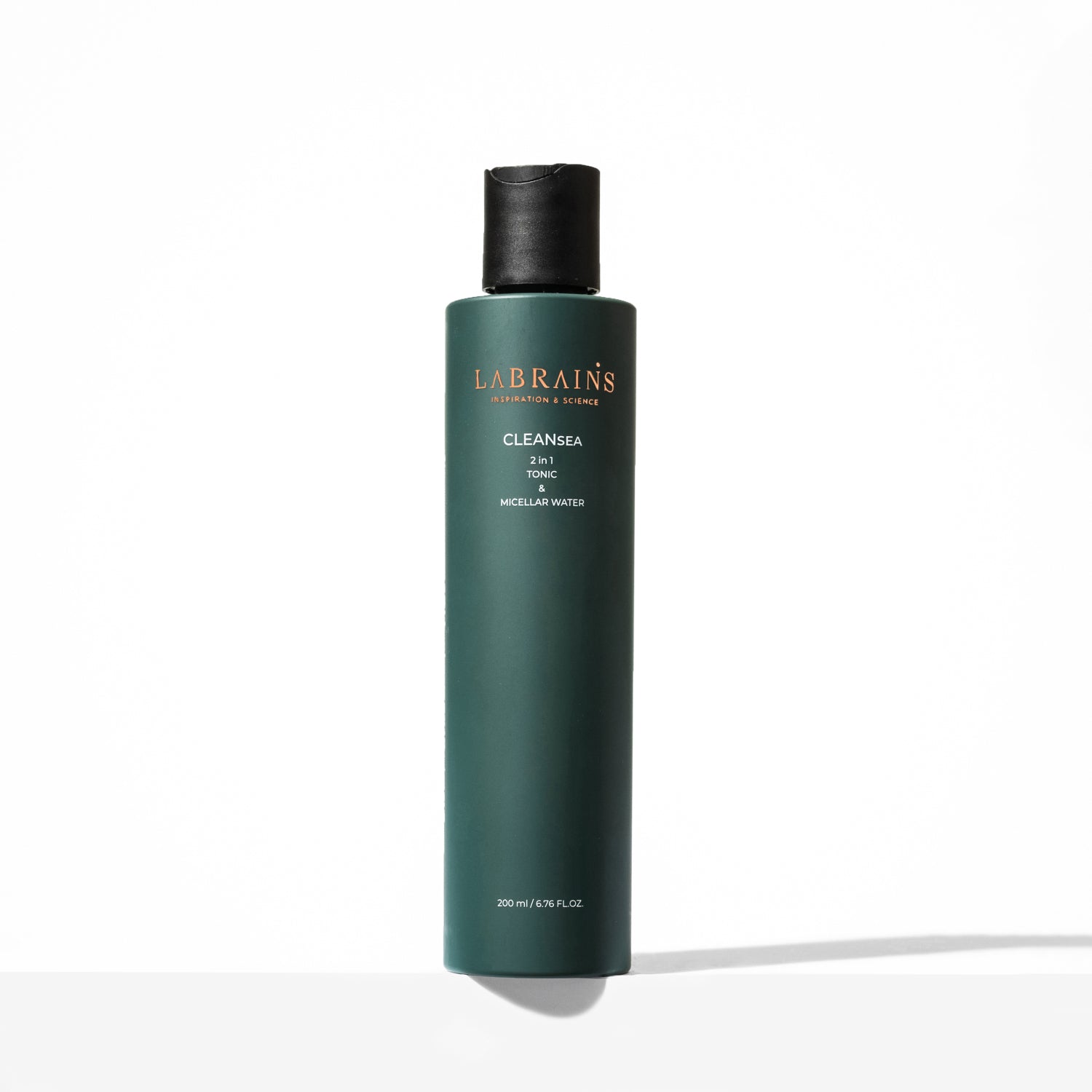
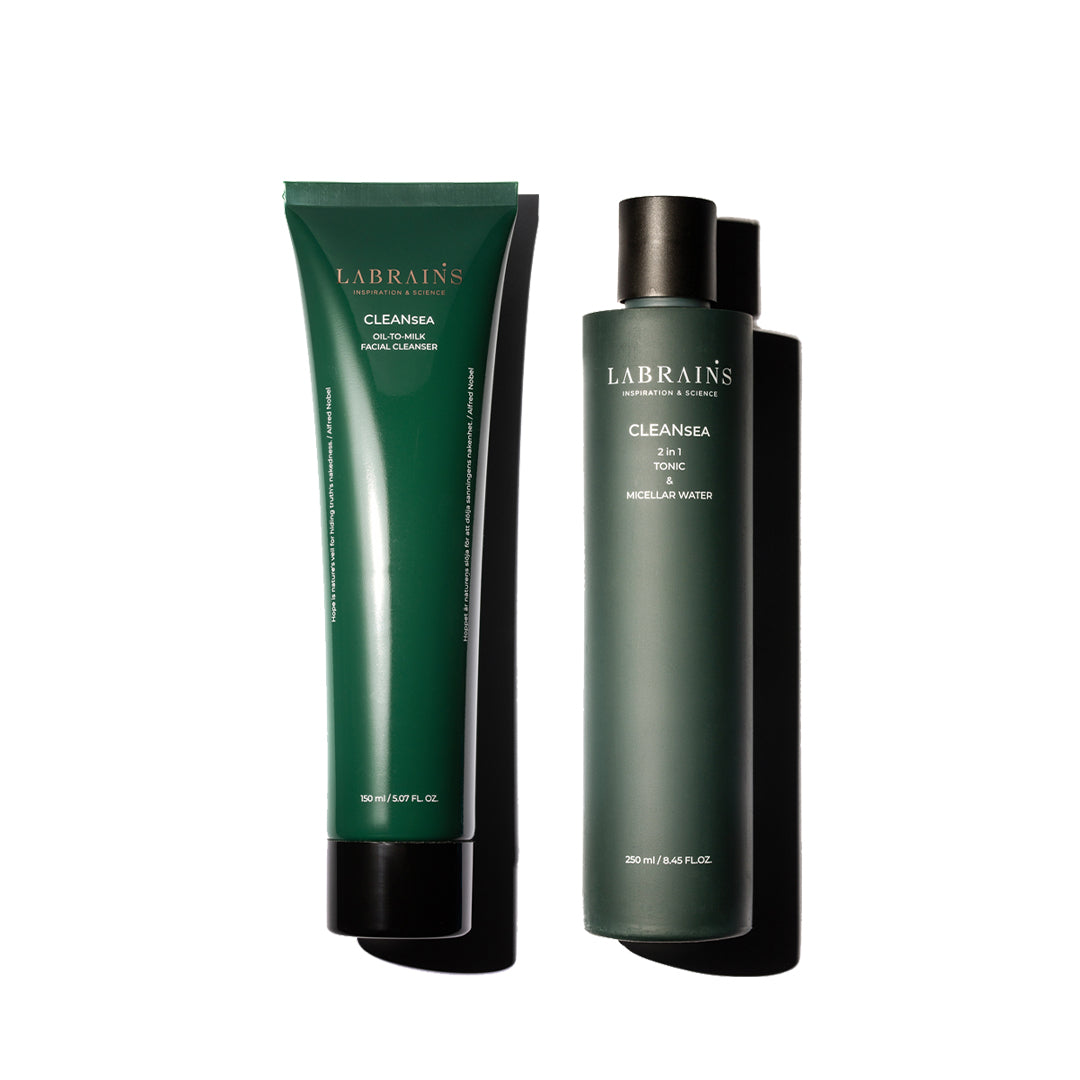
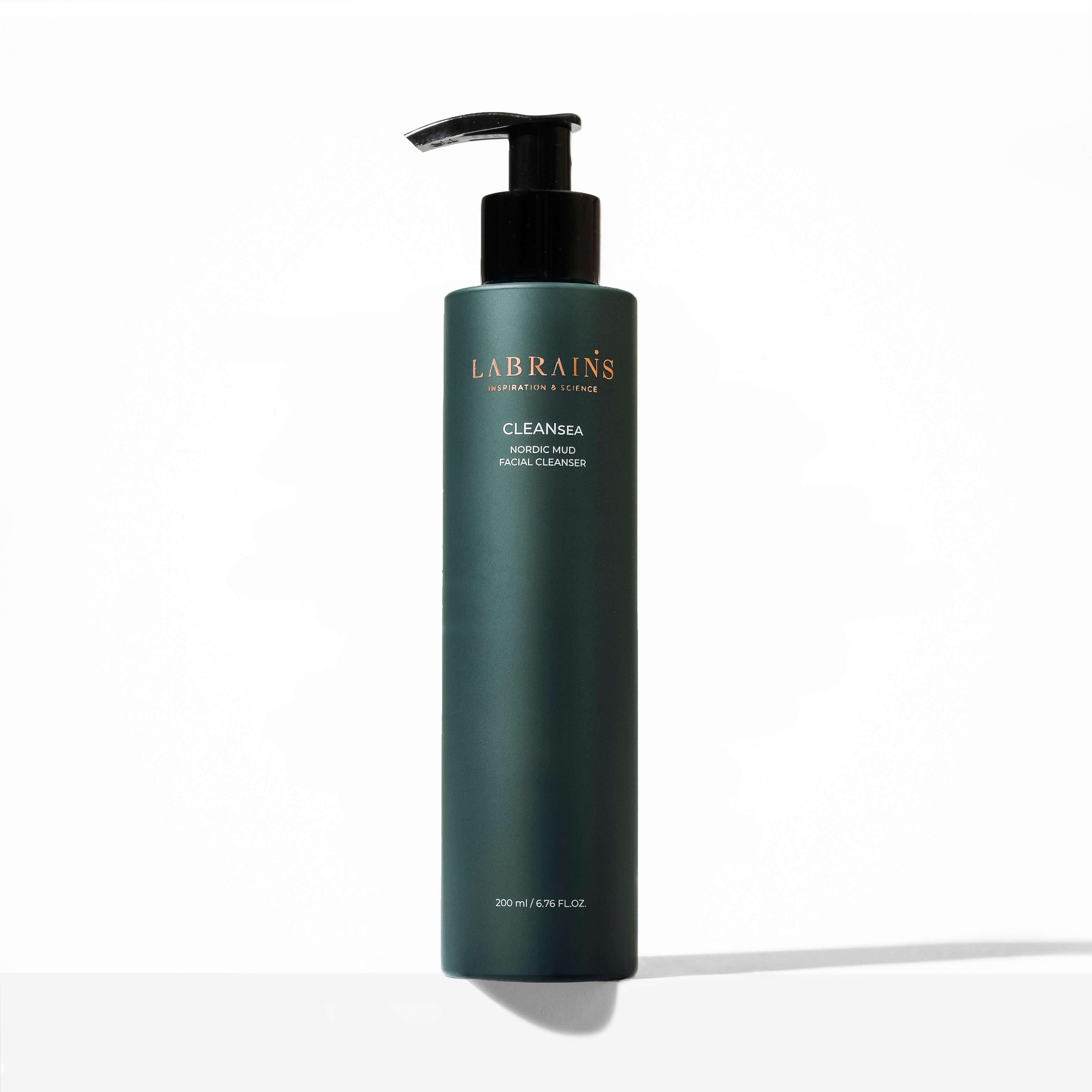
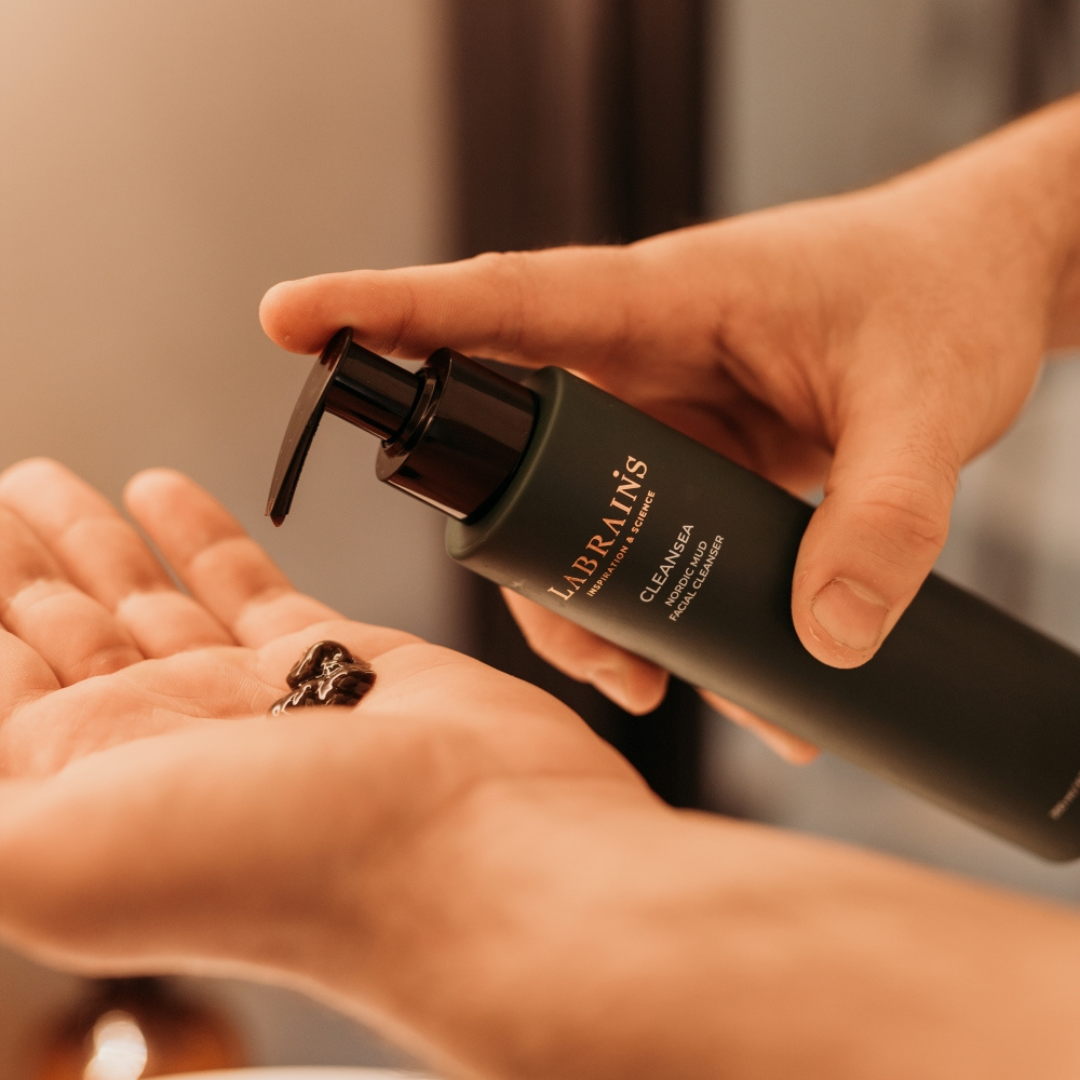
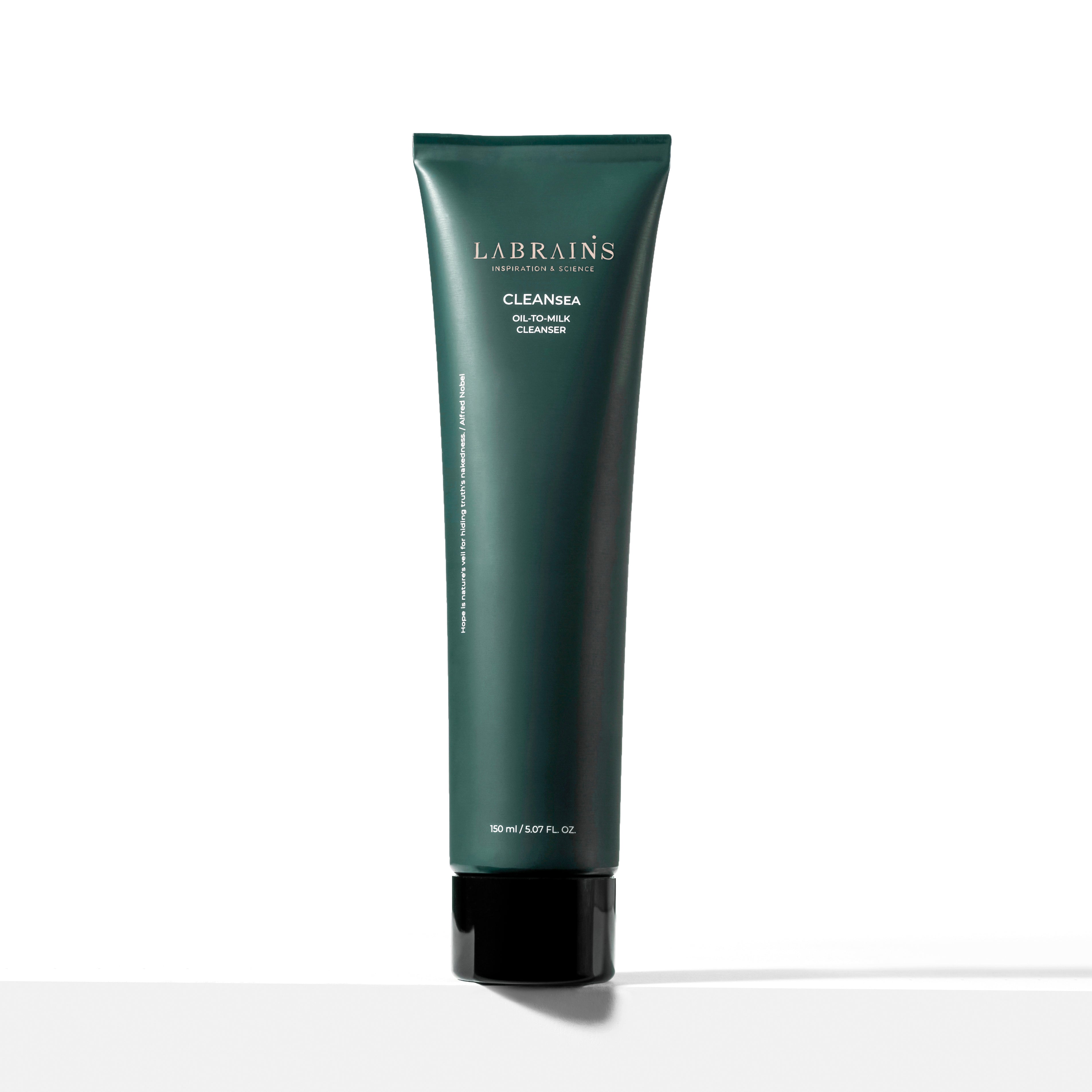
In situations where the priority is decorative performance, exceptional wear time, or professional make-up, conventional cosmetics may also be appropriate. In these cases, it is especially important to cleanse the skin thoroughly in the evening using a double-cleansing routine, for example with LABRAINS Oil-to-Milk Cleanser followed by Nordic Mud Cleanser or Pore Perfect Cleanser, and finishing with Micellar Water & Tonic 2in1. This helps remove residual UV filters, oxidation by-products, urban pollution, and make-up accumulated throughout the day while preserving a healthy skin microbiome and maintaining the skin barrier.

At LABRAINS, our goal is to minimise unnecessary biological stress on the skin. For everyday use, we therefore recommend choosing biomimetic formulations with the simplest possible ingredient composition, while reserving products containing higher levels of synthetic ingredients for situations where they are genuinely needed.