
Double Cleansing in Summer – When Is It Really Necessary?
During summer, a facial skincare routine can become more complex. Throughout the day, we apply sunscreen and often make-up, sweat more, and spend more time in urban environments, at the seaside or by the pool. This raises a common question in the evening: is one facial cleansing step enough, or is double cleansing necessary?
There is no single answer for everyone. Double cleansing is not an essential ritual every evening or for every skin type. However, it can be particularly beneficial on days when long-wearing or water-resistant sunscreen (SPF), make-up, or several layers of skincare products have been applied. What matters most is not the number of steps, but ensuring that the skin is thoroughly cleansed without leaving it tight, dry or irritated.
Why Is the Skin Barrier Under Greater Strain in Summer?
The skin barrier, the skin’s outer protective layer, is often compared to a brick wall: the skin cells are the “bricks”, while the intercellular lipids, including ceramides, cholesterol and fatty acids, form the “mortar” that helps retain moisture and protects the skin from environmental influences.
In summer, this system is affected by several factors at once. UV radiation can weaken the skin barrier, while prolonged contact with water, especially hot water, and overly intensive washing can increase dryness and irritation. Urban pollution is also associated with greater oxidative stress and increased water loss through the skin.
A particularly gentle approach is needed for dry, sensitive and acne-prone skin. Acne is not simply a problem of “excessively oily skin”; it can also be associated with impaired skin-barrier function. In addition, active ingredients used to treat acne may contribute to dryness and sensitivity, so overly aggressive cleansing can make the situation even more difficult.
Oily skin can also be dehydrated. However, increased sebum production should not automatically be interpreted as the skin attempting to compensate for a lack of moisture. Sebum production is influenced to a large extent by hormones, genetic factors, age and other individual circumstances.
The most practical guide is how the skin feels after cleansing. If it feels tight, stings or becomes noticeably more sensitive, the cleansing product or method may be too aggressive.
Why Should SPF Be Thoroughly Removed in the Evening?
Sunscreen (SPF) is one of the most important elements of a summer skincare routine. To help it remain on the skin throughout the day, especially in water-resistant formulas, sunscreens contain film-forming and oil-soluble ingredients. Combined with sebum, make-up, environmental pollutants, and dust, these can create a persistent layer that is not always completely removed with water alone.
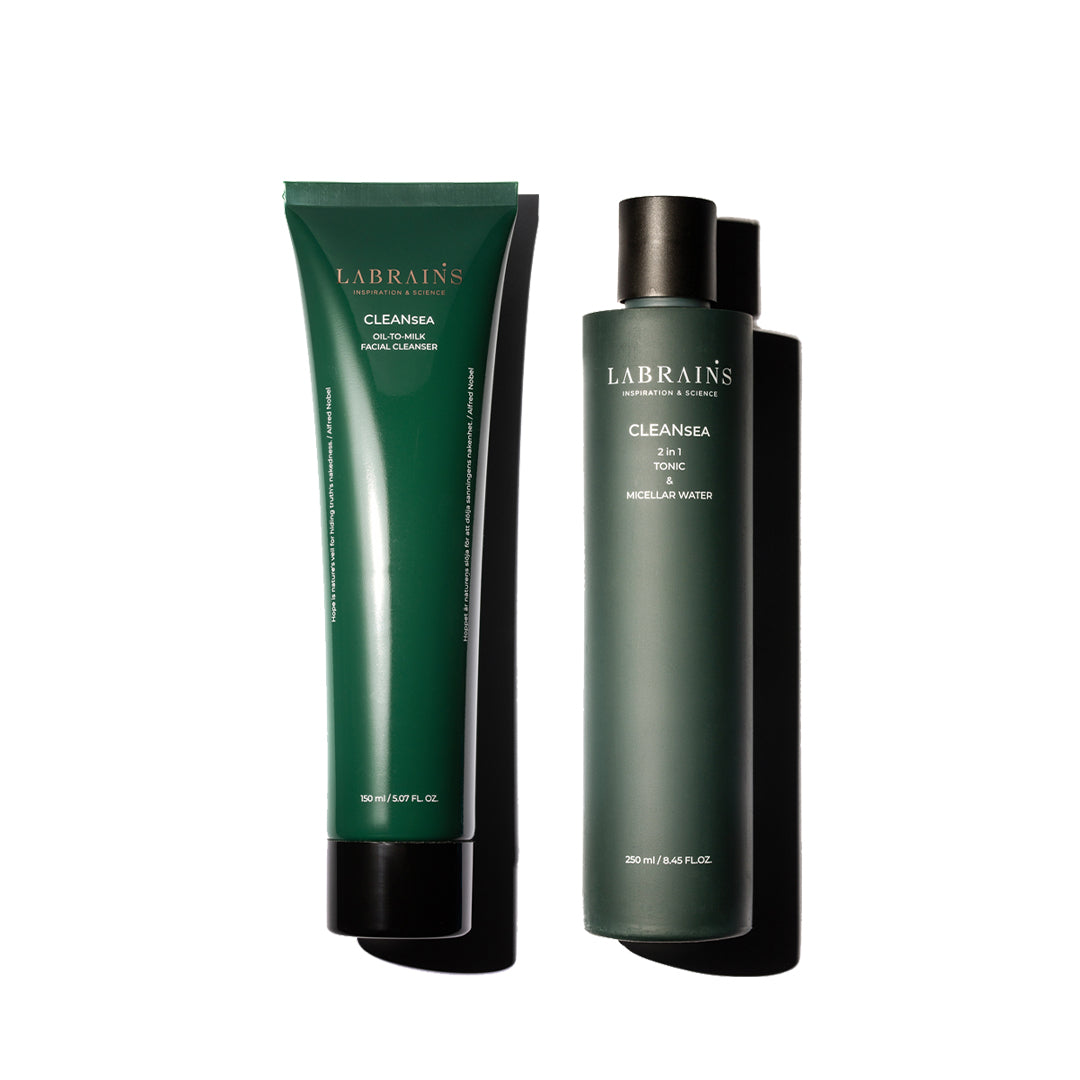
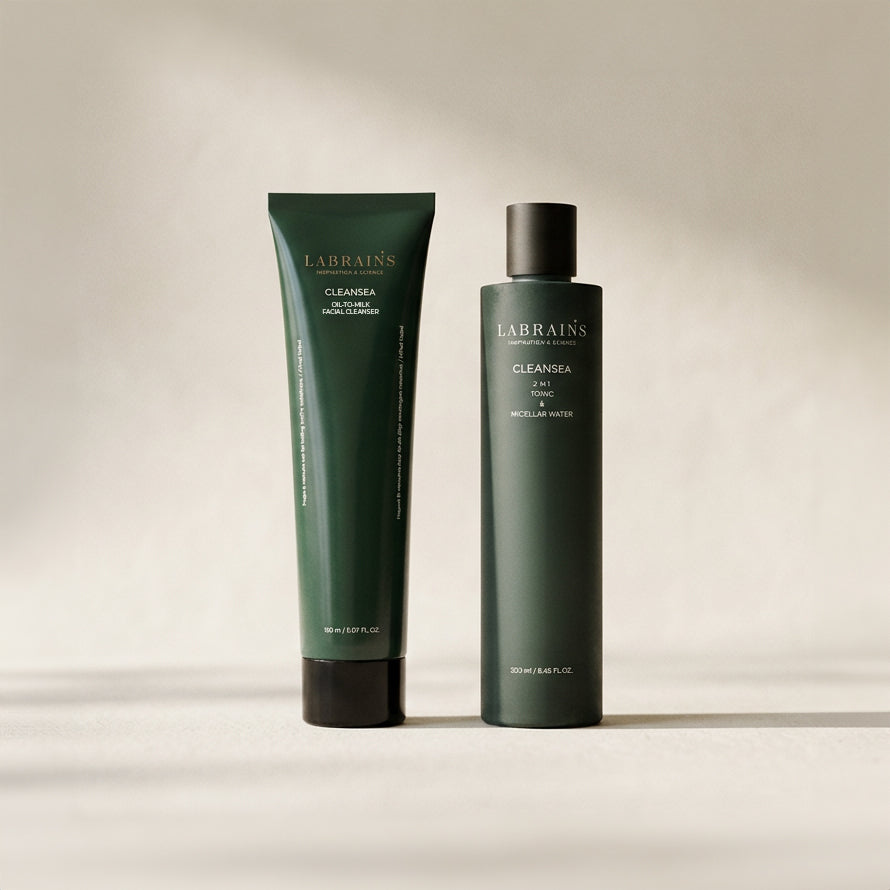
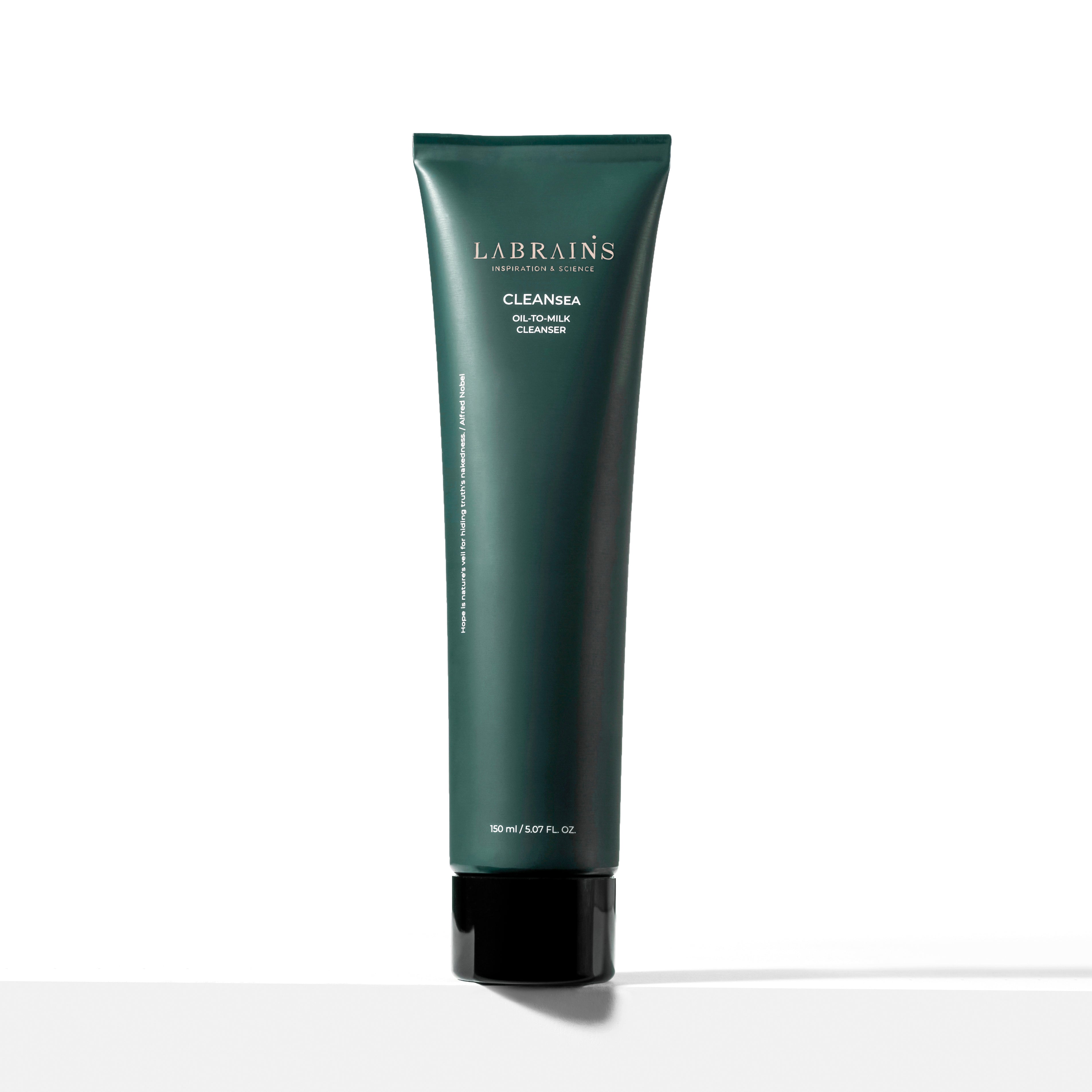
A non-water-resistant sunscreen can often be removed effectively with a suitable facial cleanser. Water-resistant SPF, however, may be more effectively and comfortably removed with an oil-based cleanser, which helps dissolve oil-soluble sunscreen filters, make-up, and excess sebum before a water-based cleanser removes the remaining residue.
This does not mean that every sunscreen requires double cleansing. However, when using long-wearing or water-resistant SPF, reapplying sunscreen several times throughout the day, or wearing make-up, a two-step cleansing routine can help cleanse the skin more thoroughly while reducing the need for excessive rubbing, which may help minimise unnecessary irritation.