Skip to content

Cart

Your cart is empty

Can Microplastics Contribute to Weight Gain?

Microplastics, BPA, and other plastic-associated chemicals are increasingly being studied for their potential effects on metabolism, hormones, and overall health. While most evidence currently comes from laboratory and animal studies, scientists agree that reducing unnecessary exposure where possible is a sensible approach. This article explains what the research shows, where uncertainty remains, and what it means for your everyday choices.

Want To Feel Lighter This Summer? Think Beyond Calories.

In summer, many of us start thinking about our bodies more consciously: more movement, lighter meals, more water, and SPF in the bag. Yet science is increasingly asking another question: are body weight, metabolism, and skin health determined only by what we eat and how much we move?

There is growing discussion of the exposome – the total set of external factors the body encounters throughout life. It includes nutrition, sleep, stress, physical activity, air pollution, pesticides, UV radiation, microplastics, and additives used in plastic production.

This does not mean that any single factor determines our health. Rather, researchers are paying attention to the cumulative load the body receives over time. In this discussion, plastic has become one of today’s most visible environmental topics.

Microplastics And Plastic Additives Are Not The Same Thing

When discussing plastic and health, microplastics, BPA, phthalates, and other compounds are often mentioned in the same sentence. But it is important to distinguish between them.

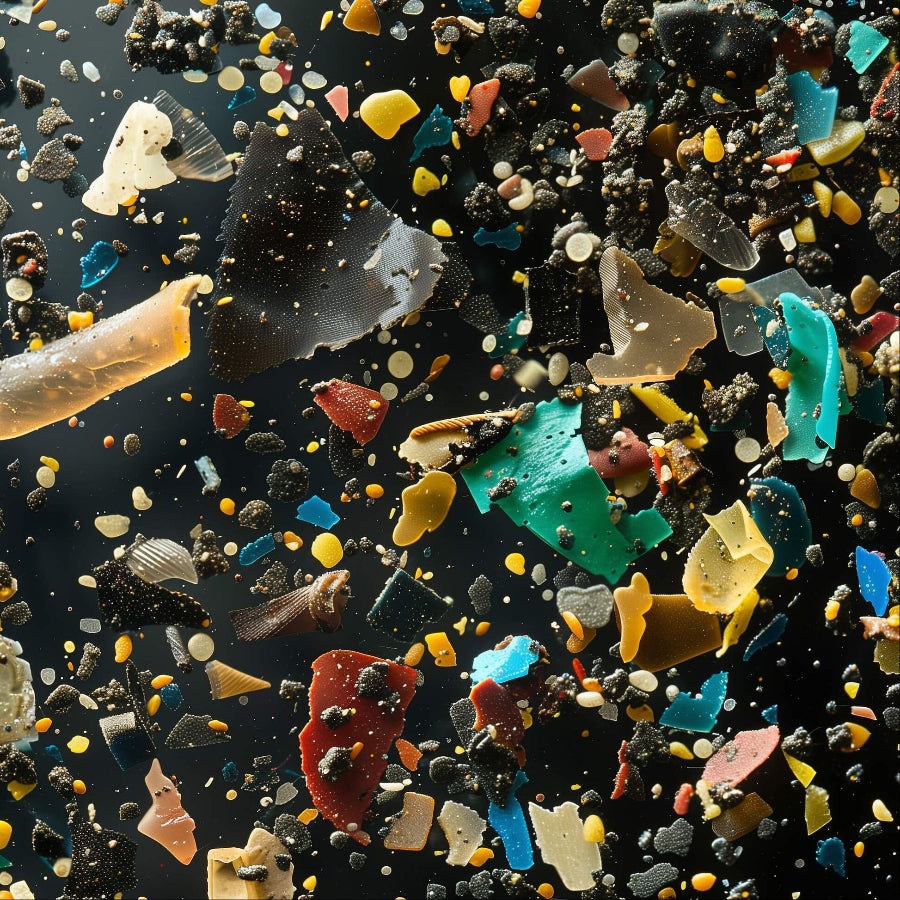
Microplastics are very small plastic particles. They can form as larger plastic objects break down, or may be intentionally added to certain products. BPA, phthalates, BPS, BPF, and similar substances are not microplastics – they are additives or compounds used in plastic production and may be associated with packaging and household products.

This distinction matters because particles and chemicals may behave differently in the body. Still, in real life, people are rarely exposed to one factor in isolation: the environment, food, cosmetics, and packaging create a shared exposure background.
Microplastic particles have been found in drinking water, food, air, and human biological samples such as stool, placenta, and blood. At the same time, the biological significance of these findings remains under discussion, including sample contamination risk and the extent to which such findings reflect real effects on human tissues and health.

What Are Obesogens And Why Are They Studied?

For a long time, obesity was explained mainly through energy balance: if we take in more calories than we use, body weight increases. This principle remains important, but it is not a complete explanation.

Researchers also study obesogens – environmental chemicals that, in experimental studies, are associated with changes in fat-cell development, hormonal regulation, and metabolism. Some potential obesogens belong to endocrine-disrupting substances because they can interact with the body's hormonal signals.

In this context, plastic additives such as BPA, phthalates, and some substitutes are often studied. In laboratory and animal studies, these substances have been associated with changes in fat-cell formation, lipid accumulation, insulin sensitivity, leptin regulation, and low-grade inflammatory processes.

One mechanism being studied is the PPARγ signaling pathway, which is involved in fat-cell development and adipose-tissue metabolism. However, these processes are multi-layered in humans, so it is more accurate to speak about associations and experimental models rather than simple causation.

What Do Microplastic Studies Show About Metabolism?

In recent years, microplastics have increasingly been studied not only as environmental pollution, but also as a possible biologically active factor.

In animal studies, long-term exposure to low doses of microplastics may be associated with metabolic effects – for example, changes in the gut microbiome, liver fat metabolism, appetite regulation, and fat accumulation. In some mouse experiments, low doses of polystyrene microplastics were associated with increased body weight, greater fat accumulation, appetite changes, and lower spontaneous activity.

At the same time, higher doses in some models showed a different, more toxic effect and were associated with weight loss. This suggests the potential effect may not be linear: particle size, plastic type, dose, exposure duration, and the organism's condition may all matter.

Conclusions should therefore be cautious. Animal studies show that low doses of microplastics may be associated with metabolic effects, but evidence for such causal relationships in humans is not yet sufficient.

Microplastics As A Surface For Other Substances

Another reason microplastics are actively studied is their ability to act as a surface to which other chemicals can attach.

In the environment, microplastic particles can adsorb plastic additives, pesticides, organic UV filters, synthetic fragrances, or other persistent substances. This does not mean every particle in the body becomes a dangerous “vehicle”, but combined exposure is currently a key research topic in toxicology.

In real life, it is the sum of many small exposures: food, water, air, packaging, cosmetics, cleansers, and sunscreens. That is why the discussion is shifting from one “culprit” toward reducing the overall biological load where possible.

The Liver, Gut Microbiome, And Hormonal System

Metabolism is not just a calorie calculation. It involves the liver, gut microbiome, immune system, hormones, and signals that regulate appetite, satiety, and energy use.

These are the systems in which the possible role of microplastics and plastic chemicals is also being studied. In animal models, microplastic exposure has been associated with gut microbiome changes and alterations in liver fat metabolism. Certain plastic additives, in experimental studies, have also been associated with insulin sensitivity, leptin regulation, and low-grade inflammation.
Leptin helps the brain receive signals about energy reserves and satiety. If this system functions poorly over time, appetite and body-weight regulation may become more complicated. Similar caution is needed when discussing hormonal and reproductive health: animal and laboratory studies have associated phthalates and bisphenols with reproductive changes, while in humans, associations are more often described than direct causal relationships proven.

Why Is Cosmetics Special In This Story?

Microplastic particles may be present in air, water, and food – complete avoidance is impossible. But cosmetics is one of the few areas where the choice is largely in our own hands. Every day, we apply creams, serums, SPF products, makeup, shower gels, shampoos, and other products to the skin. In the past, microplastics in cosmetics were more often associated with scrubs, but today formulas may also contain synthetic polymers that improve texture, stability, durability, or water resistance.

Not all synthetic polymers carry the same concern, and regulation differs by definition and use. However, in the European Union, intentionally added microplastics in product groups including cosmetics are being gradually restricted. The practical question is simple: if skincare formulas without microplastics and unnecessary synthetic load are available, why not choose them?

In Summer, This Question Becomes Even More Relevant

Summer changes our habits – we sweat more, wash more often, use SPF, swim in seawater or chlorinated pools, spend more time in the sun, and more often take cosmetics with us outside the home.

Heat and UV radiation can accelerate plastic ageing and may contribute to the migration of certain additives from packaging. That is why water bottles, SPF products, and cosmetics should not be left for long periods in a hot car, a beach bag under direct sun, or other hot conditions.

This does not mean giving up SPF. Sun protection remains essential for reducing UV-related skin damage and signs of premature ageing. Smart summer protection also includes a hat, sunglasses, light clothing, shade, and repeated, sensible SPF use.

The Labrains Approach: Less Excess, More Skin Balance

LABRAINS product development is based on the idea that skincare does not have to be overloaded. More ingredients do not always mean better results; sometimes the smarter choice is to reduce what the skin can do without. LABRAINS formulas are therefore made without microplastics and with the aim of reducing unnecessary synthetic load – not through fear, but through cautious, thoughtful everyday choices.

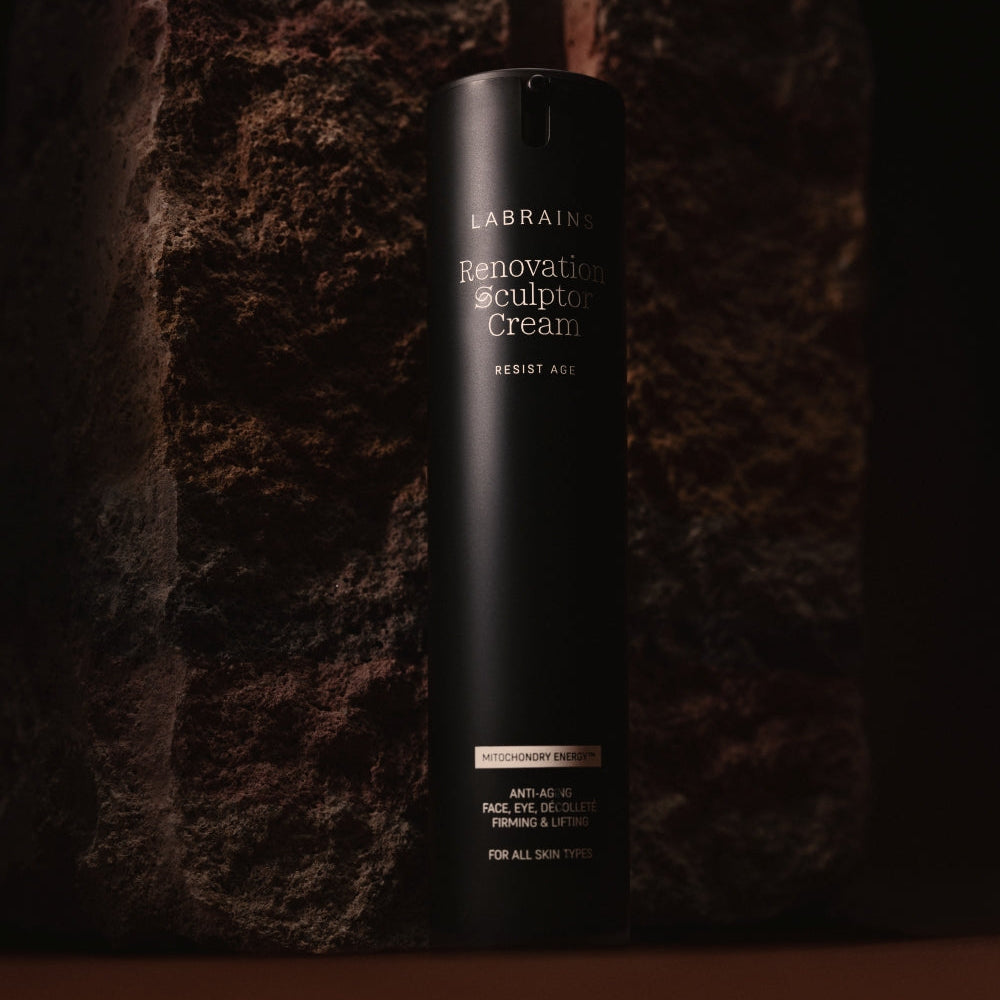
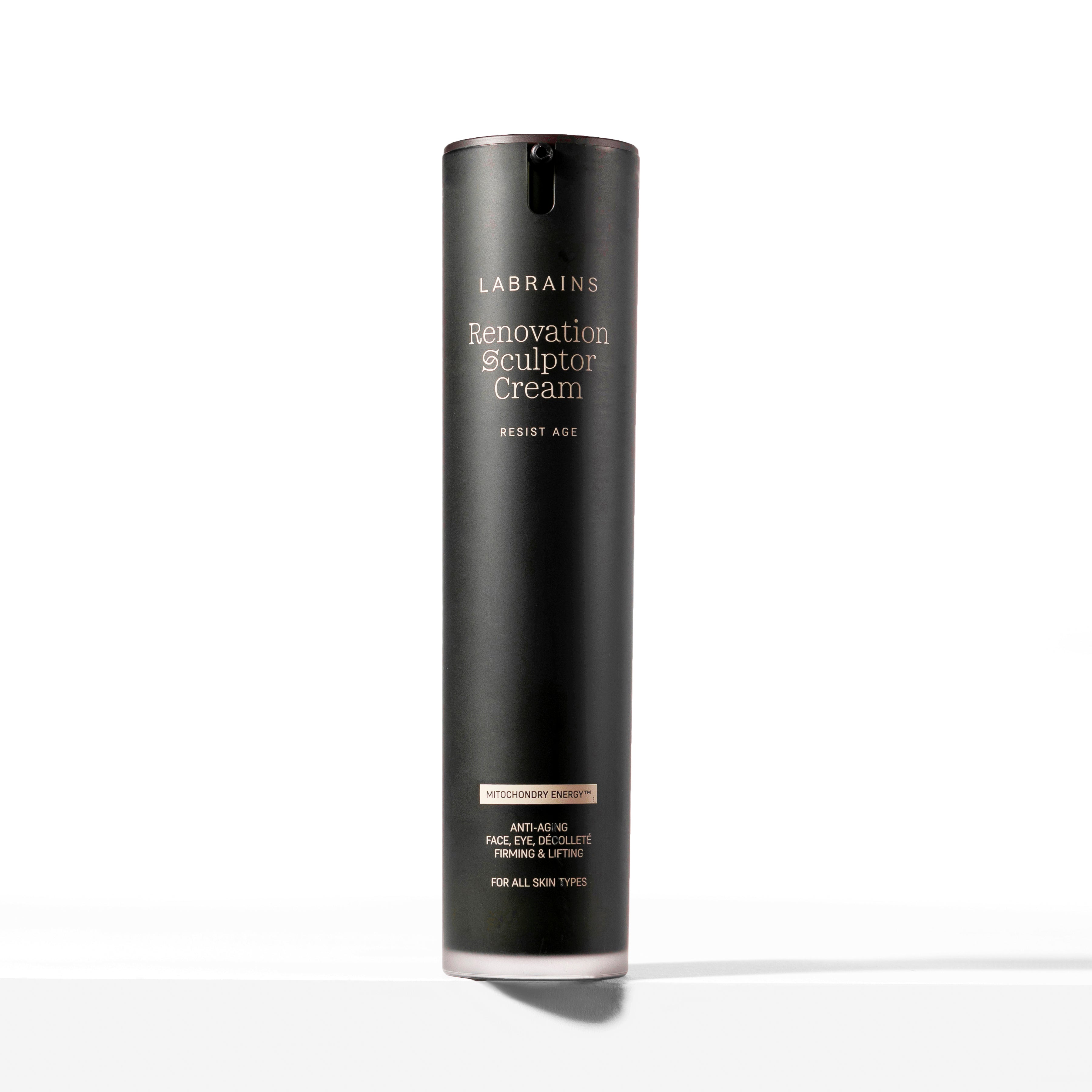
Renovation Sculptor Cream is one example of this philosophy. It focuses on supporting the skin barrier, hydration, and comfort, while avoiding microplastics and unnecessary ingredients. We cannot fully control microplastics in the environment, food, or water, but cosmetics is an area where the choice is our own.

Frequently Asked Questions

  • No. Microplastics are small plastic particles, while BPA, phthalates, and similar substances are chemical additives used in plastic production.

  • Animal studies show that low doses of microplastics may be associated with metabolic effects, including changes in the gut microbiome and fat metabolism. Evidence for such causal relationships in humans is not yet sufficient.

  • Obesogens are environmental chemicals that, in experimental studies, are associated with changes in fat-cell development, hormonal regulation, and metabolism.

  • Heat and UV radiation can accelerate plastic ageing and may contribute to the migration of certain additives, so cosmetics, SPF products, and water bottles should not be stored for long periods in the sun or in a hot car.

  • Probably not. Microplastics are present in the environment, water, and food. But unnecessary exposure can be reduced in areas where we make the choice ourselves, such as cosmetics.