
What is rosacea and how to treat it properly?
What is rosacea and how to treat it properly? We receive this question very often, so we want to give you a little insight. Check out this video, where LABRAINS' founder Līga Brūniņa explains the skin condition, the best approaches in managing it, and what products are the most appropriate for rosacea prone skincare.
Prefer to read? Here is a summary of the topic we've discussed in the video.
What Is Rosacea and How Should You Care for Rosacea-Prone Skin?
Rosacea is a chronic inflammatory skin condition that commonly appears as facial redness, flushing, visible capillaries, and increased skin sensitivity. Although rosacea cannot currently be completely cured, proper skincare and lifestyle adjustments can significantly reduce symptoms and help prevent flare-ups.
Rosacea-prone skin is typically reactive, easily irritated, and more vulnerable to environmental stressors.
What Are the Early Signs of Rosacea?
Rosacea rarely develops suddenly. In most cases, the first symptoms appear gradually over time.
Common rosacea symptoms include:
- frequent flushing;
- persistent facial redness;
- irritation after cleansing or friction;
- burning or heat sensations;
- visible small blood vessels;
- inflammatory bumps that are not acne;
- increased sensitivity to skincare products, temperature changes, and stress.
If rosacea or persistent facial redness runs in your family, your likelihood of developing rosacea may be higher.
What Triggers Rosacea Flare-Ups?
Rosacea flare-ups can be triggered by both internal and external factors. Stress is one of the most common triggers, but lifestyle habits and skincare routines also play a major role.
Common rosacea triggers include:
- emotional stress;
- UV exposure;
- sudden temperature changes;
- aggressive skincare products;
- over-exfoliation;
- poor sleep;
- alcohol and spicy foods;
- harsh facial cleansing.
Rosacea management involves more than skincare alone, daily habits matter as well.
Why Is Gentle Cleansing Important for Rosacea?
Gentle cleansing twice daily is essential for rosacea-prone skin. Overly aggressive cleansers can damage the skin barrier even further and increase redness and irritation.
Modern dermatology increasingly emphasizes a principle of achieving maximum benefit with minimal irritation.
Gentle cleansing helps:
- reduce inflammation;
- improve skin comfort;
- minimize sensitivity;
- support the skin microbiome;
- strengthen the skin barrier.
Rosacea and the Skin Microbiome
Rosacea-prone skin is often associated with microbiome imbalance. Certain microorganisms, including Staphylococcus aureus, Staphylococcus epidermidis, and Cutibacterium acnes, may become elevated beyond normal levels, contributing to additional inflammation and sensitivity.
Oxidative stress and inflammatory biochemical reactions may also worsen rosacea symptoms.
Rosacea skincare should focus not only on calming the skin, but also on strengthening long-term skin resilience.
How to Care for Rosacea-Prone Skin
Effective rosacea skincare is based on consistency, simplicity, and skin barrier support.
Key principles include:
- gentle cleansing;
- strengthening the skin barrier;
- avoiding aggressive active ingredients;
- maintaining hydration;
- reducing stress;
- choosing products appropriate for sensitive skin.
There is no single “miracle cream” for rosacea. Improvement usually comes from long-term, methodical skincare and respecting the skin’s tolerance limits.
How to Choose Products for Rosacea-Prone Skin
When choosing skincare products for rosacea-prone skin, look for formulations that:
- minimize irritation;
- support the skin microbiome;
- strengthen the skin barrier;
- reduce redness and discomfort.
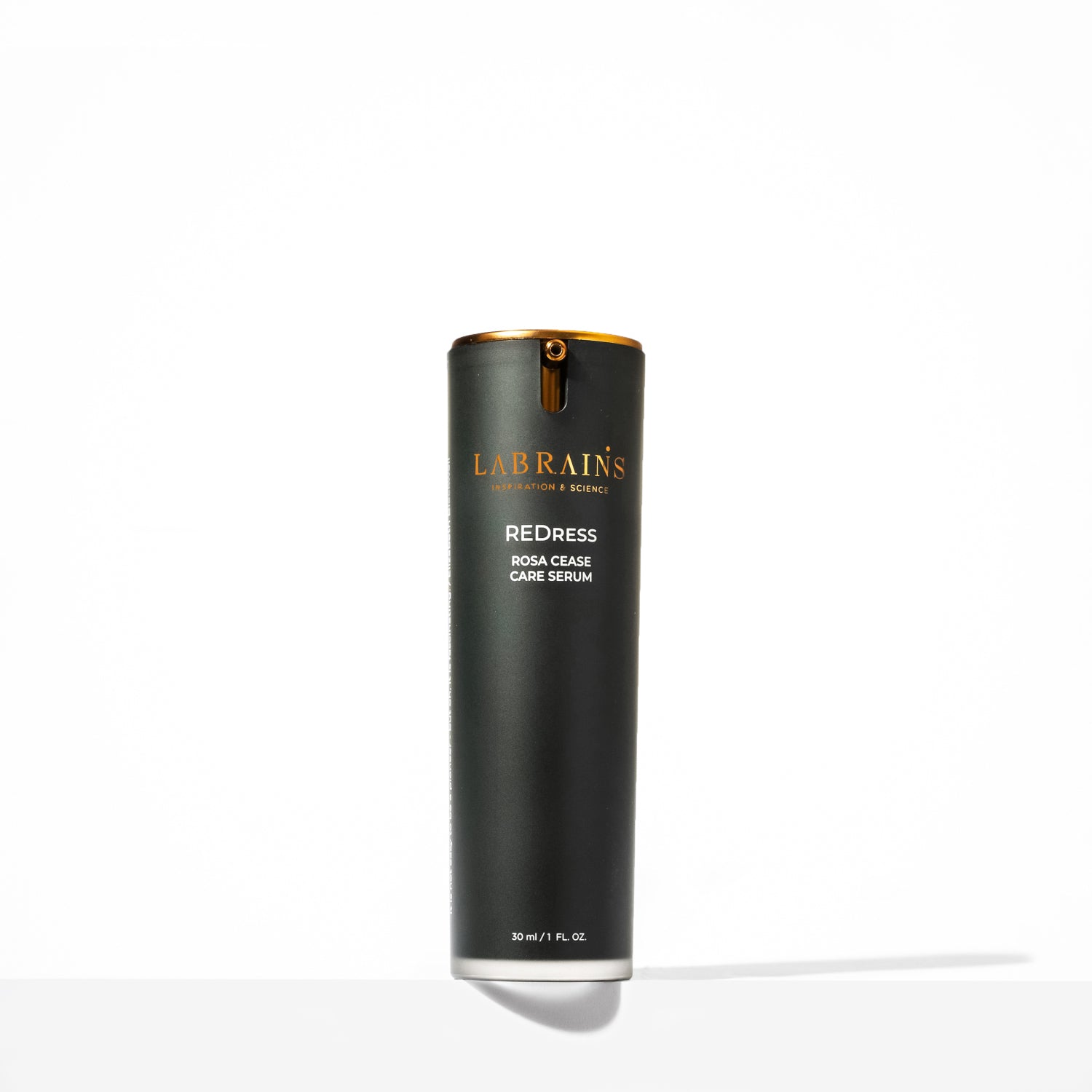
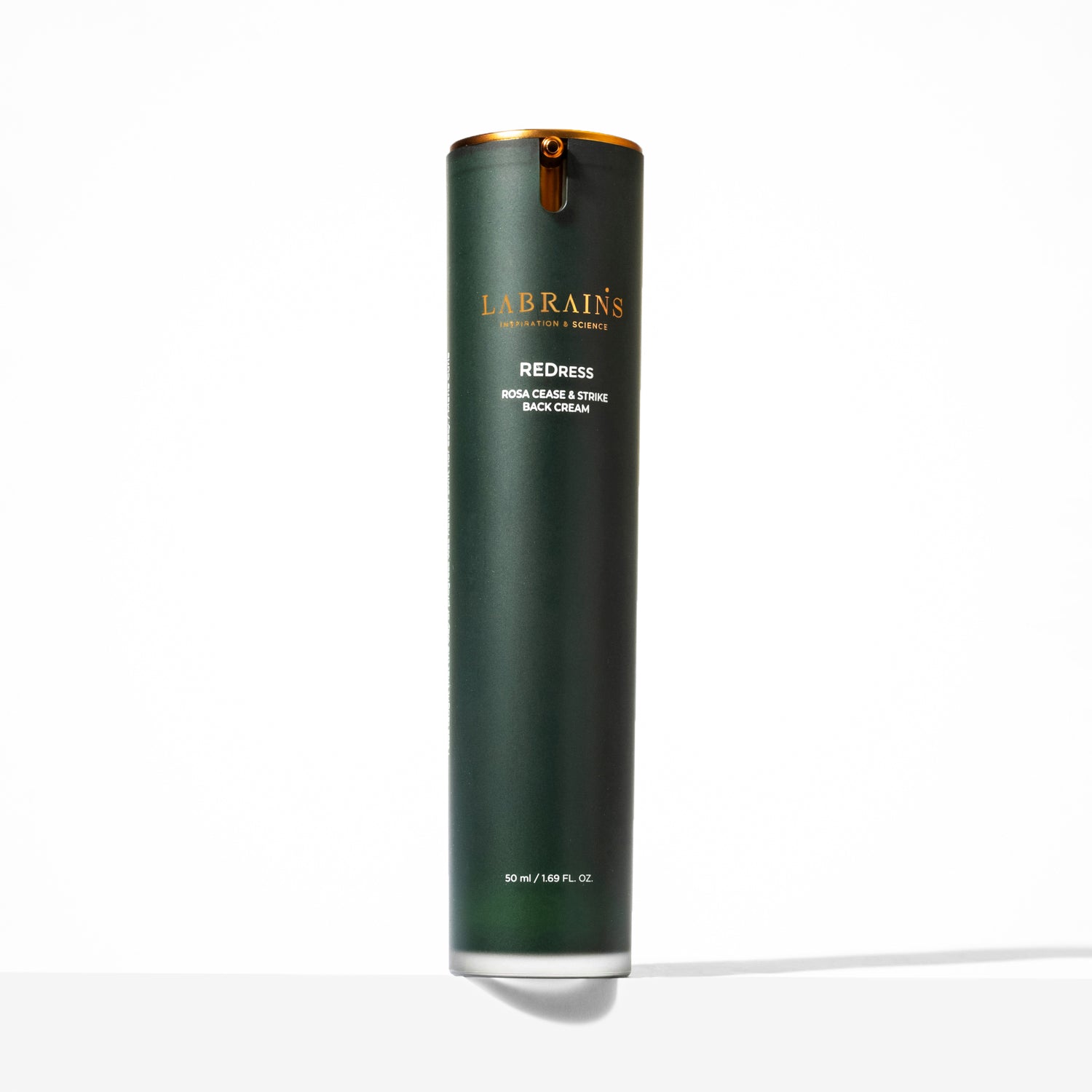
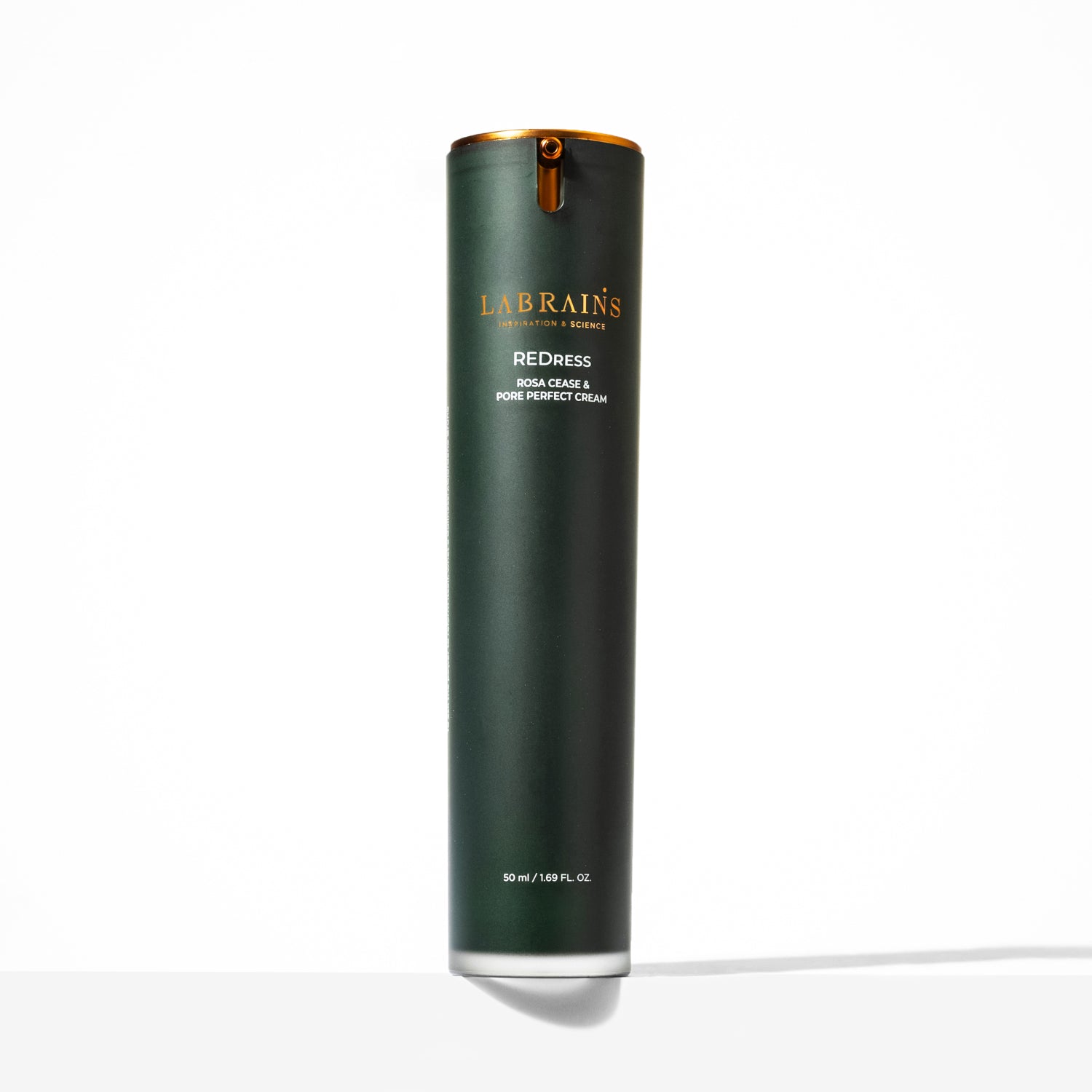
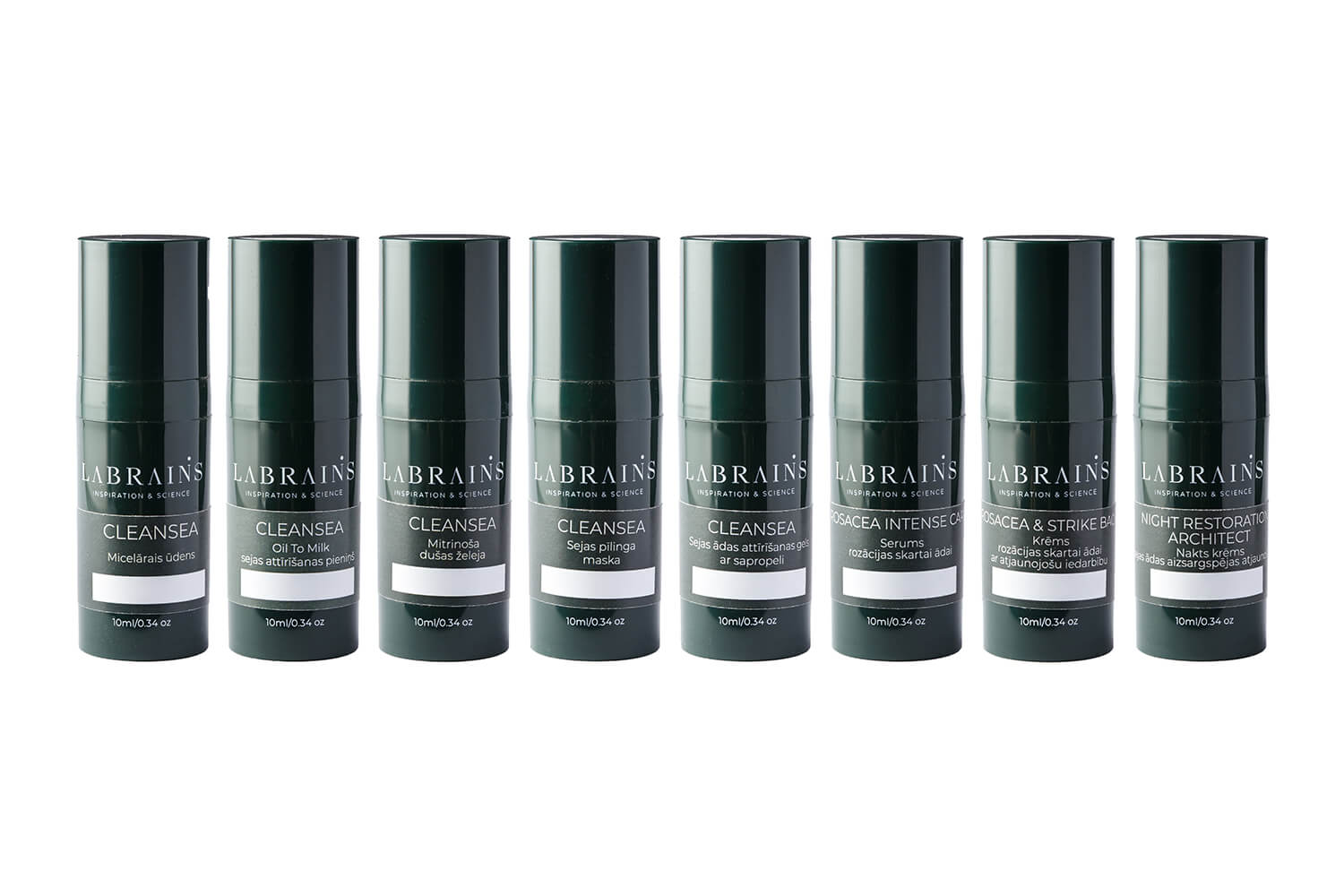
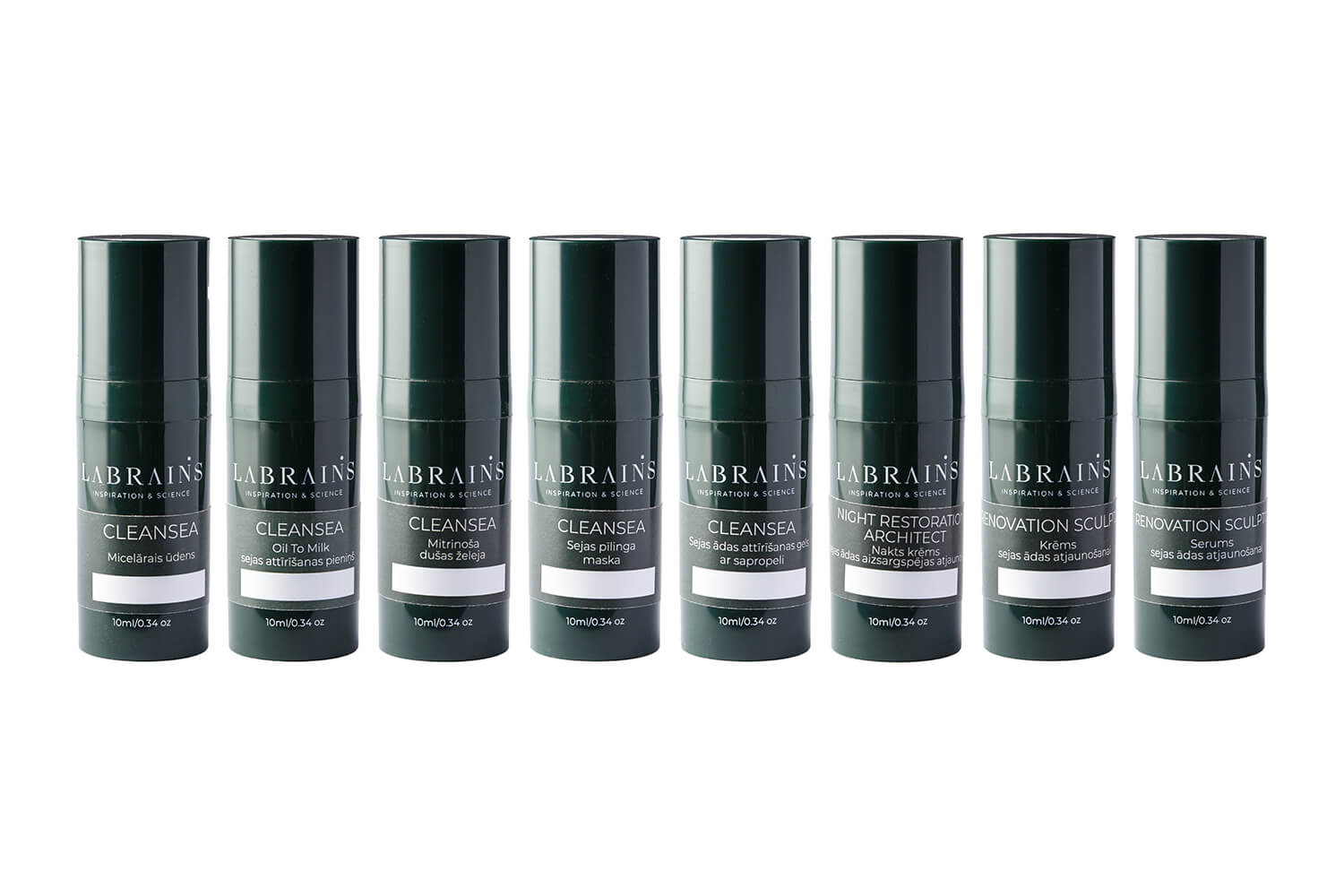
The LABRAINS approach to rosacea care focuses on gentle formulations and skin-friendly preservation systems designed for sensitive skin tolerance. The product line is developed to support both rosacea-prone skin and visible signs of ageing simultaneously.