
Does age matter when choosing natural cosmetics?
Should your skincare change with age? In this video, LABRAINS founder Dr. Līga Brūniņa explains how skin needs evolve over time, why younger and mature skin require different approaches, and when supportive and restorative skincare ingredients become more important.
A conversation about skin elasticity, barrier support, anti-ageing skincare, and a long-term approach to healthier skin ageing.
Prefer to read?Here is a summary of the topic we've discussed in the video.
Does Age Matter When Choosing Natural Skincare?
Skincare needs change significantly over time. Skin that is naturally balanced and resilient in the early twenties may gradually become drier, thinner, less elastic, and more reactive with age. Because of this, skincare routines should evolve together with the skin’s biological needs.
How does skin change with age?
Ageing skin gradually loses:
- elasticity;
- firmness;
- strength;
- thickness.
As these structural changes occur, the skin often requires more supportive and nourishing ingredients to help maintain comfort, resilience, and a healthier appearance.
LABRAINS explains this process as helping the skin “rebuild the wall” – supporting the skin barrier and biological renewal processes with ingredients that work in compatibility with the skin.
Why mature skin often needs more supportive skincare
In the video we highlight that ageing skin may benefit from active biological ingredients capable of supporting skin renewal processes. These include:
- plant-derived extracts;
- amino acids;
- microelements;
- biologically active compounds;
- hyaluronic acid.
Some of these ingredients are selected for their ability to support fibroblast activity – the skin cells involved in collagen and elastin production. The goal is to help ageing skin maintain healthier function and better resilience over time.
What skincare does younger skin actually need?
According to Dr. Brūniņa, younger skin often requires a simpler approach focused mainly on:
- hydration;
- skin barrier support;
- environmental protection.
Younger skin typically produces collagen, elastin, and lipids more efficiently on its own, meaning heavy anti-ageing routines are not always necessary at an early age.
LABRAINS also emphasizes the importance of protecting the skin from environmental stressors such as pollution, heavy metals, and urban environmental exposure. This protective approach helps reduce unnecessary oxidative stress on the skin.
How skincare routines may evolve after 30
As skin ageing gradually becomes more visible, skincare routines often shift toward more supportive formulations focused on:
- nourishment;
- barrier repair;
- hydration retention;
- elasticity support;
- long-term skin comfort.
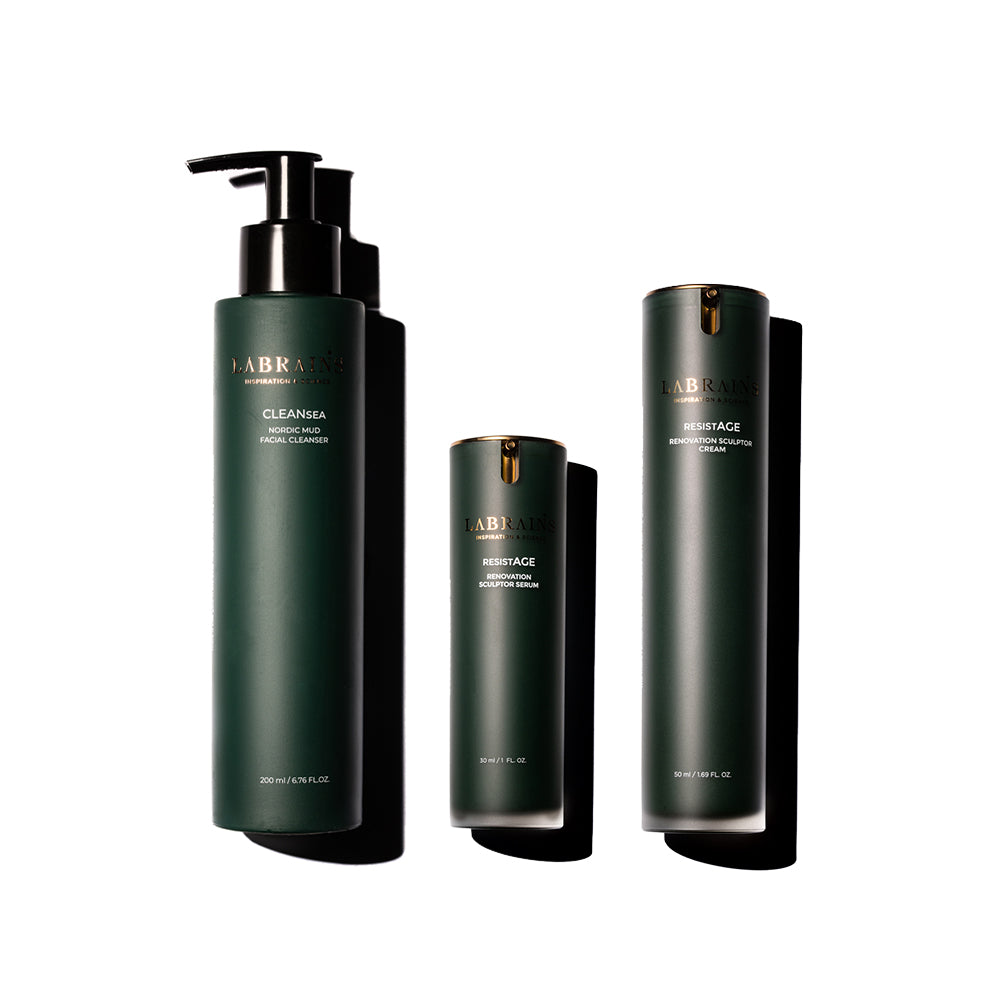
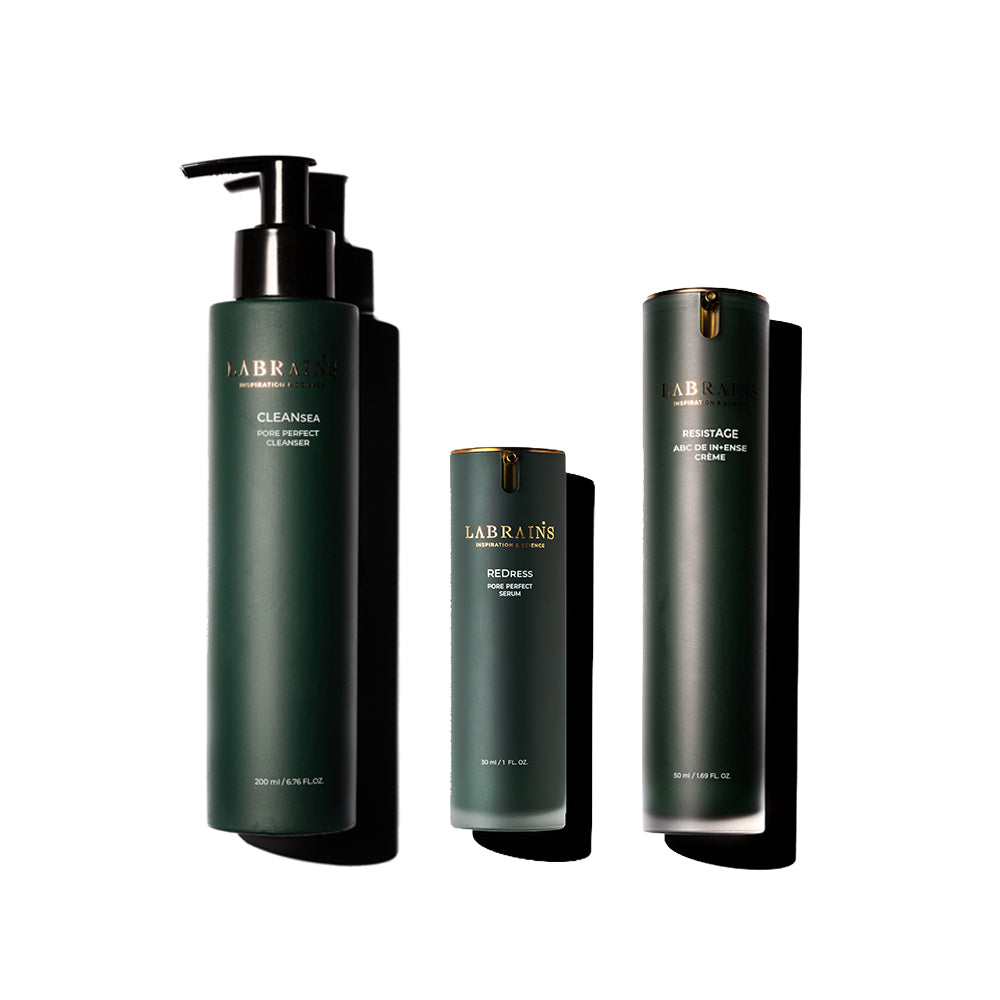
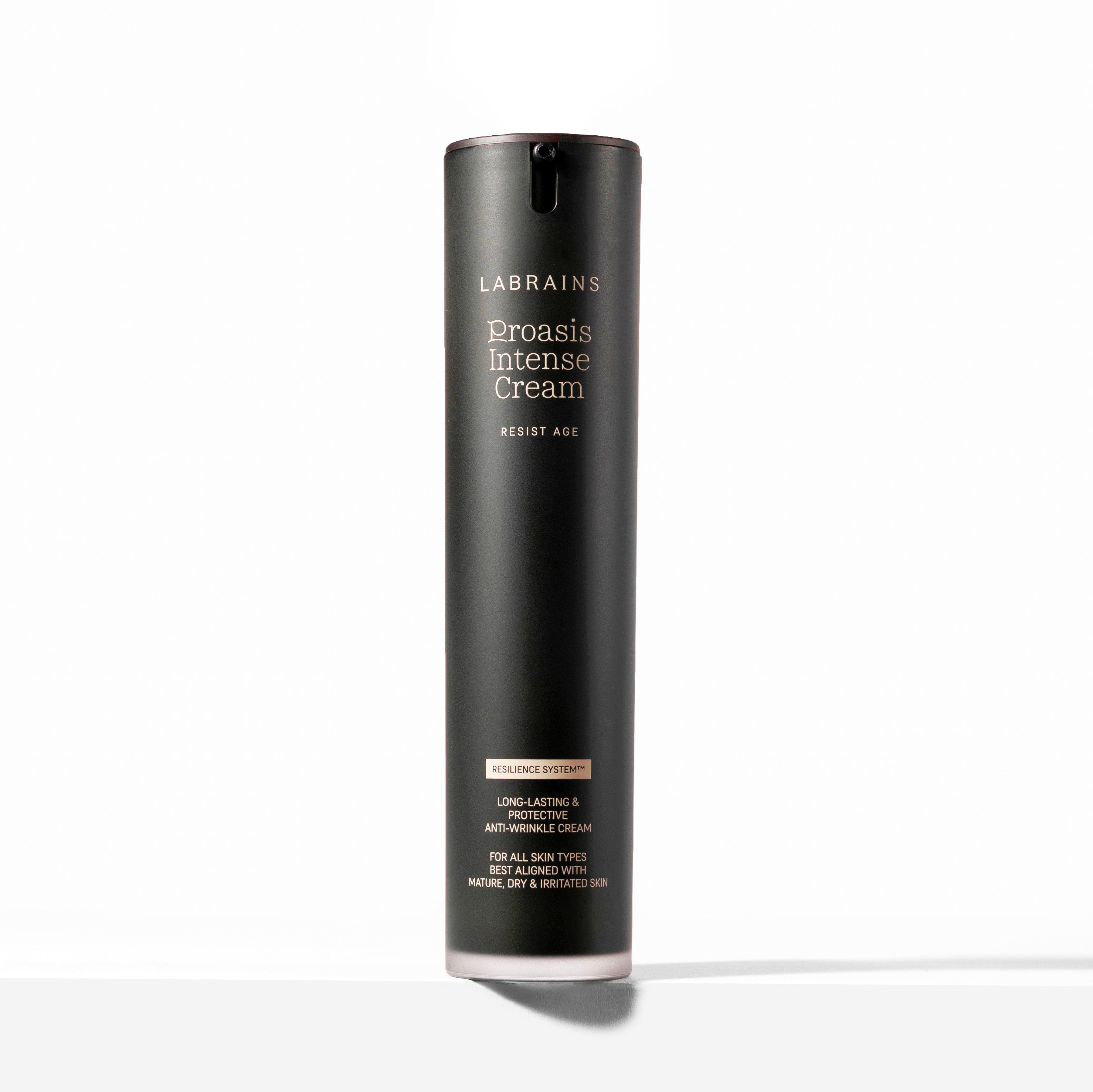
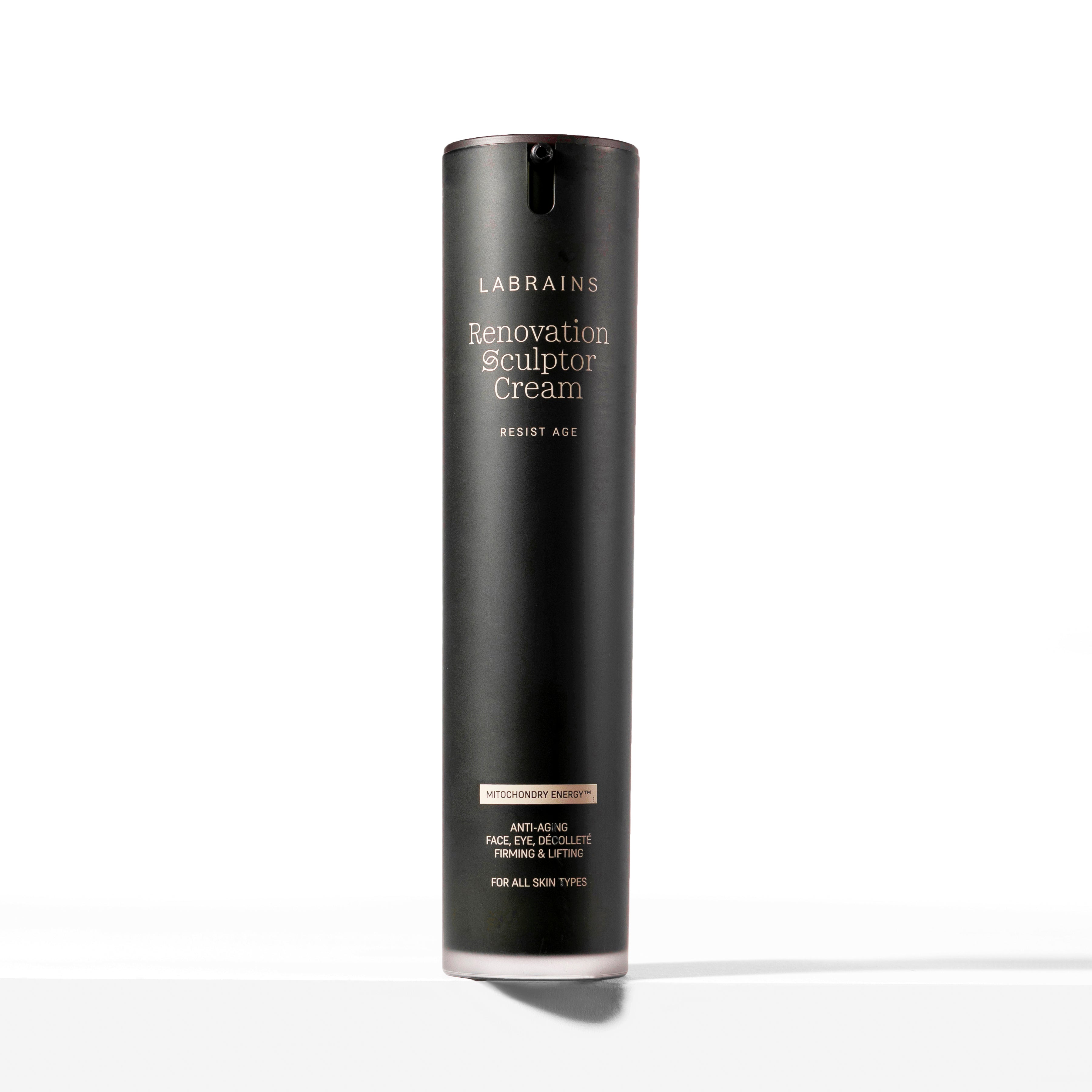
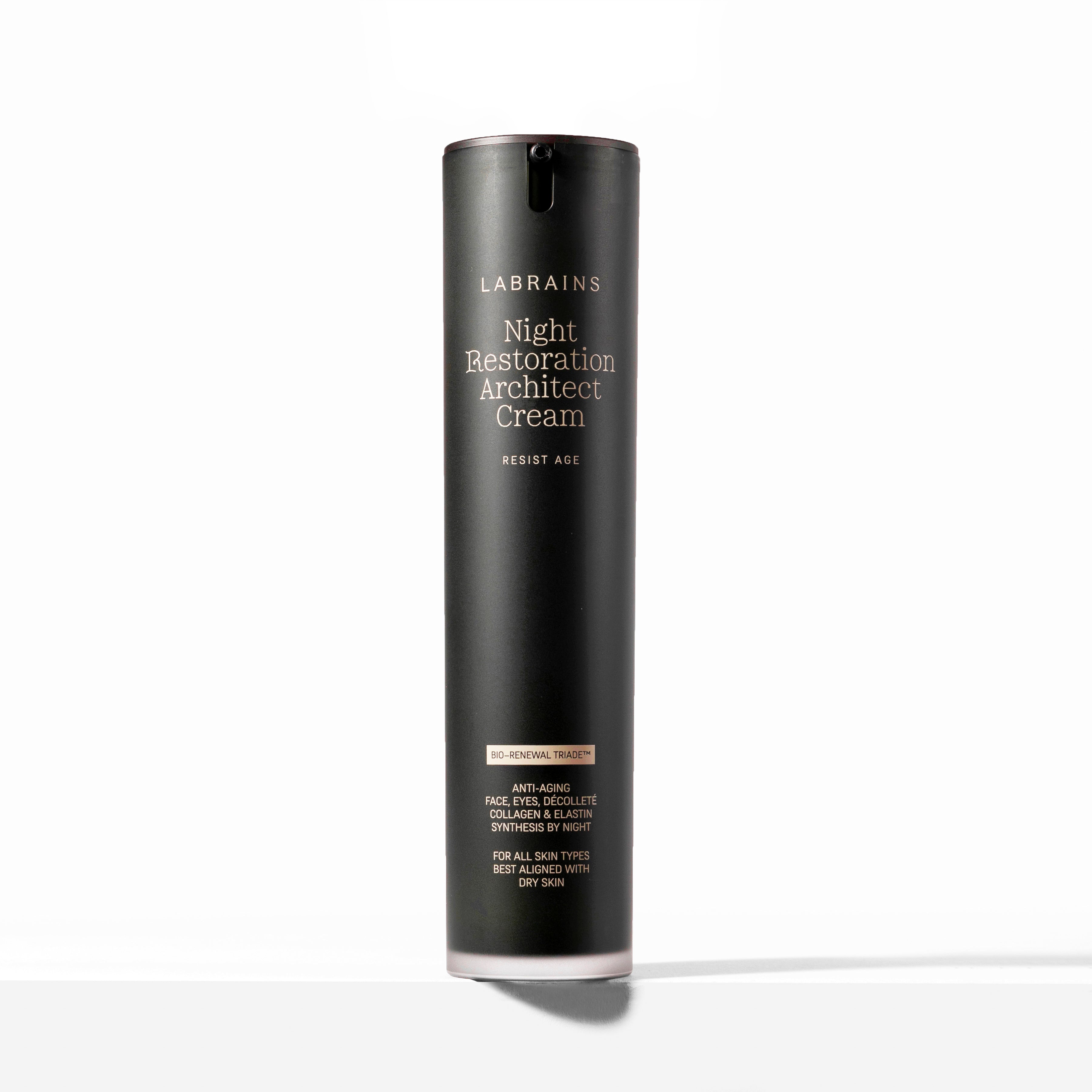
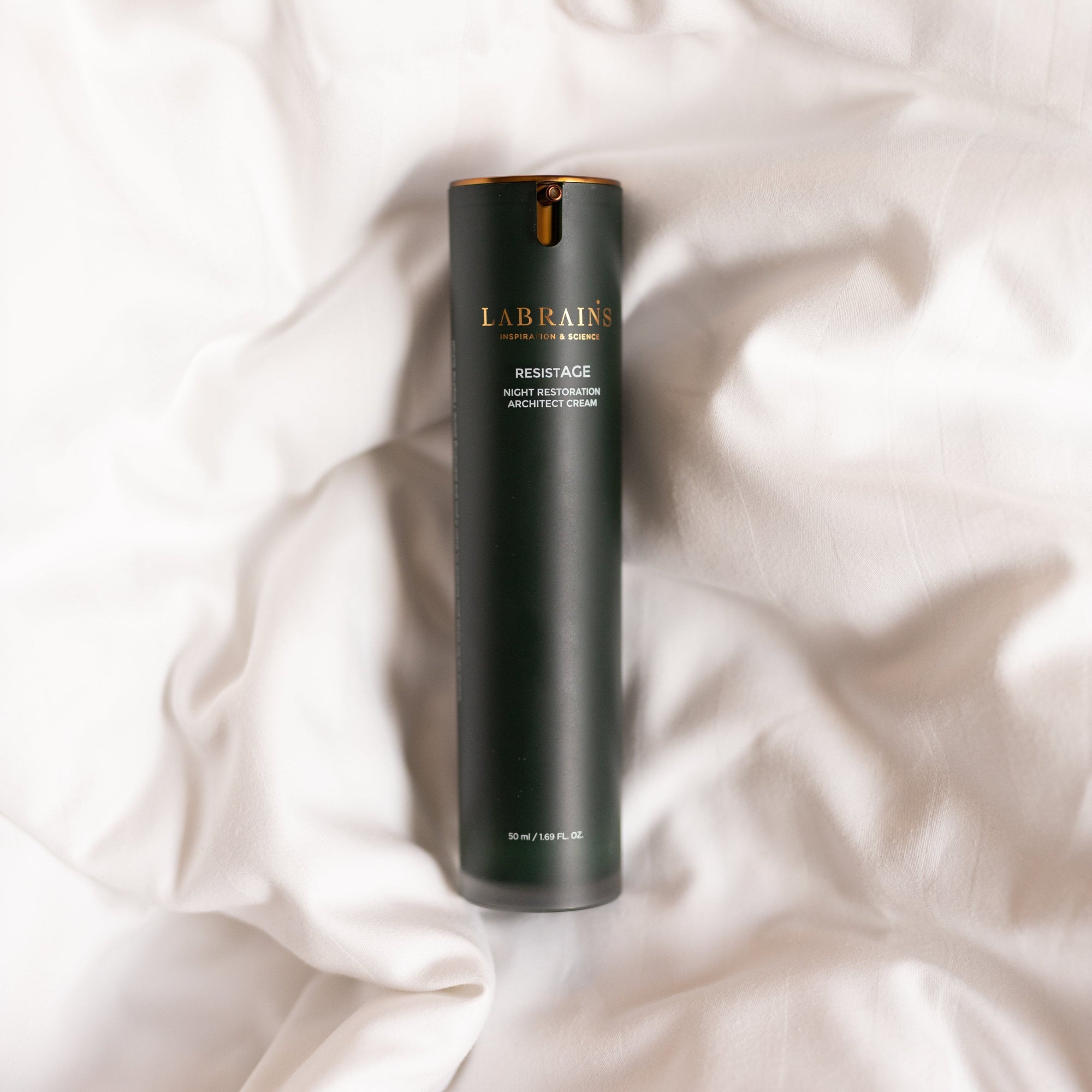
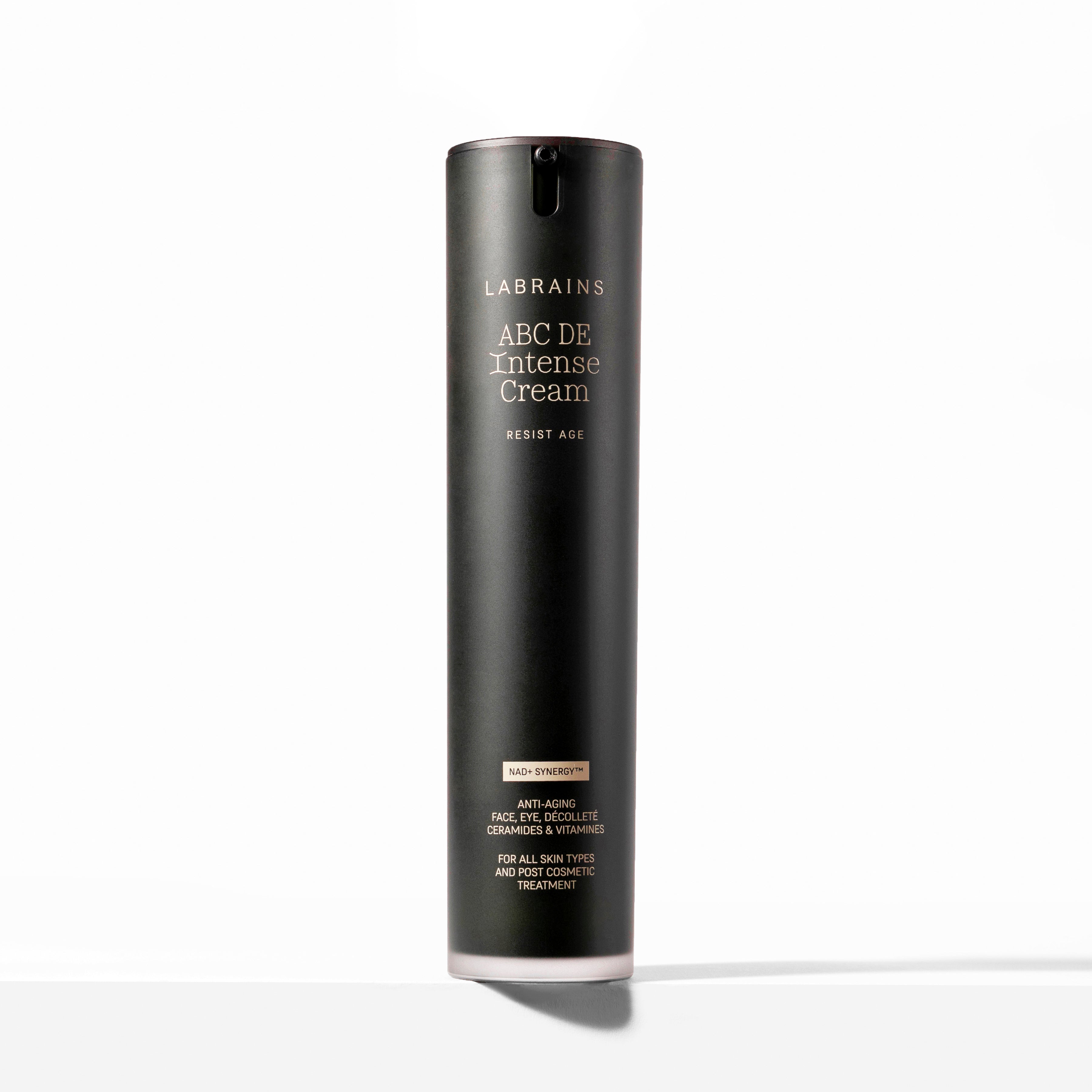
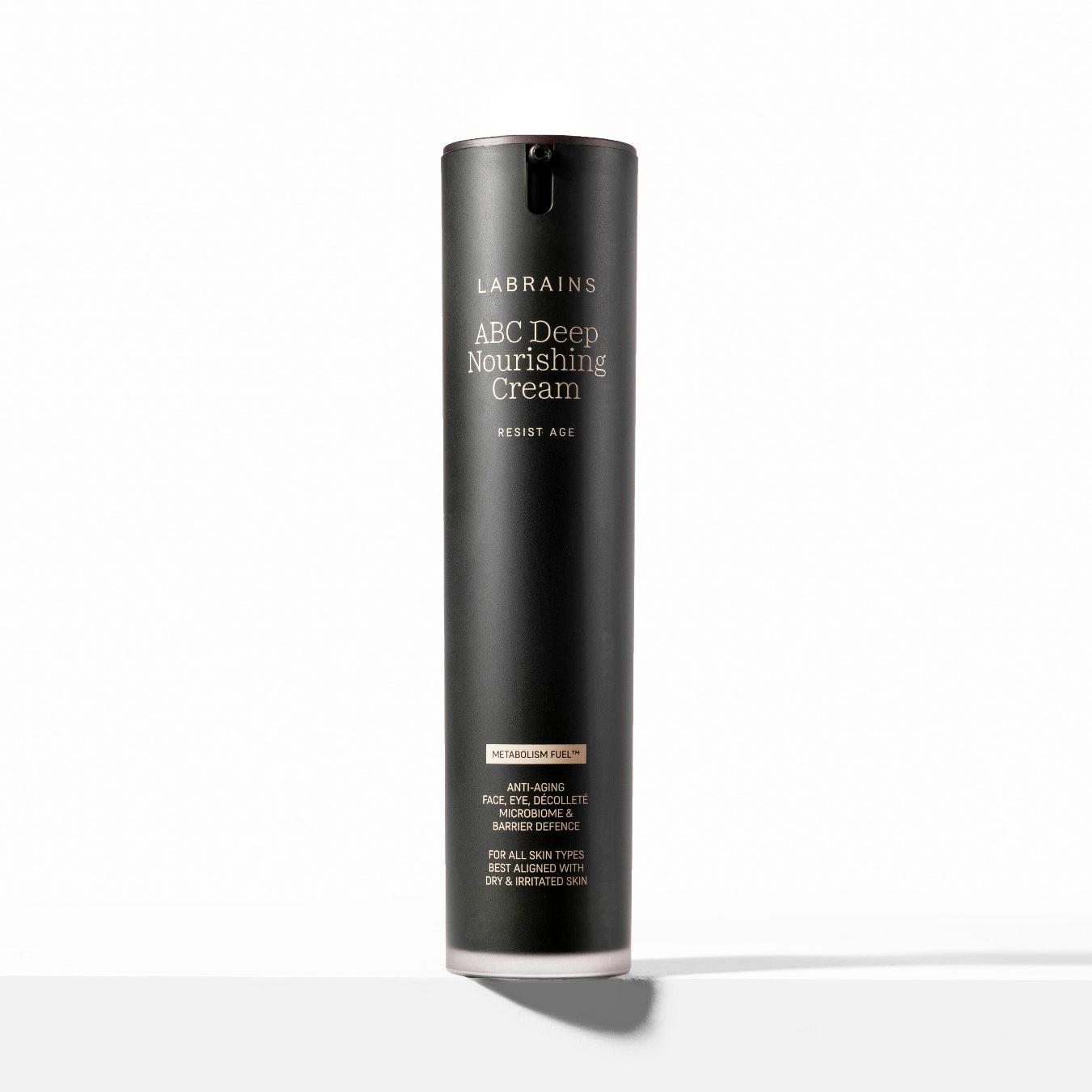
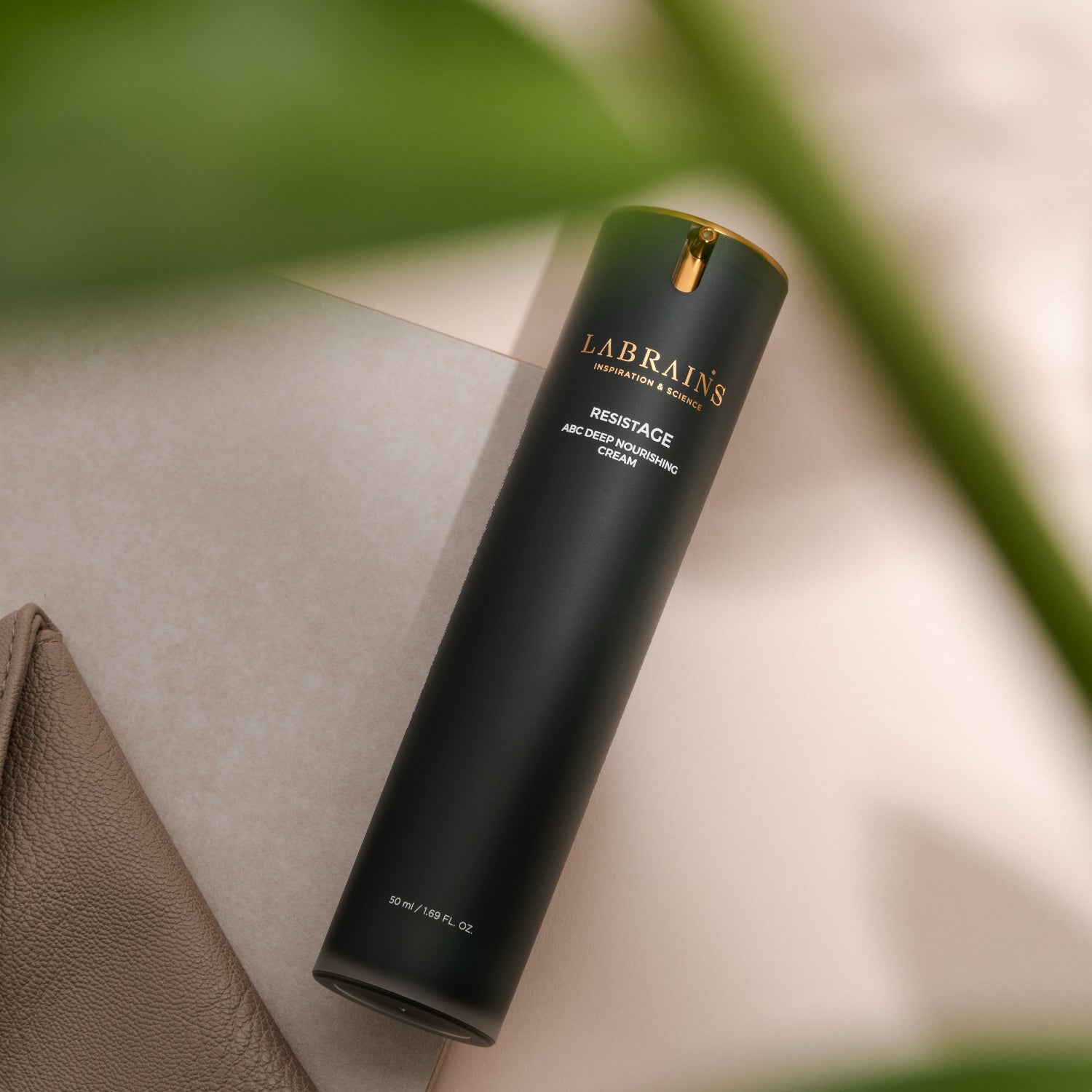
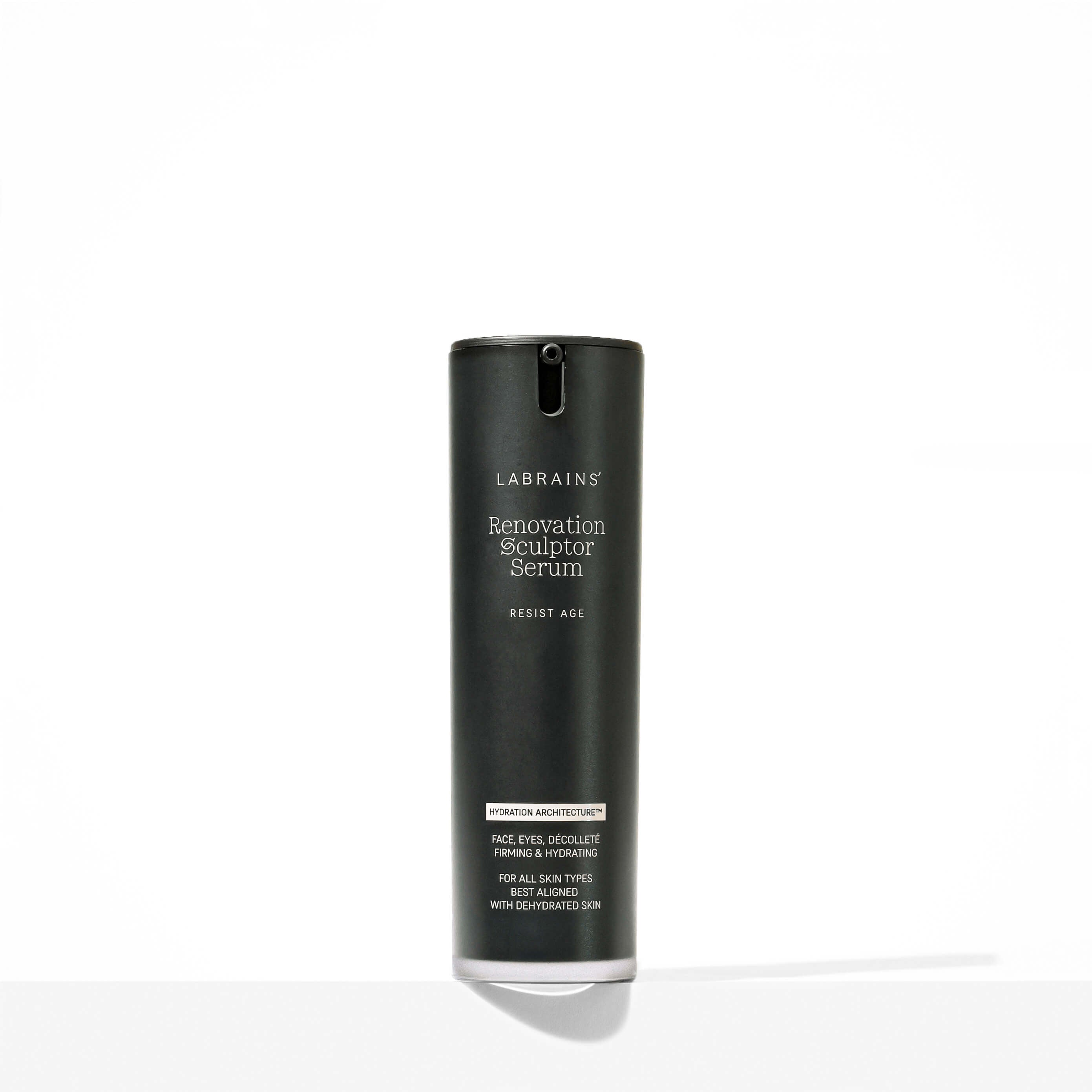
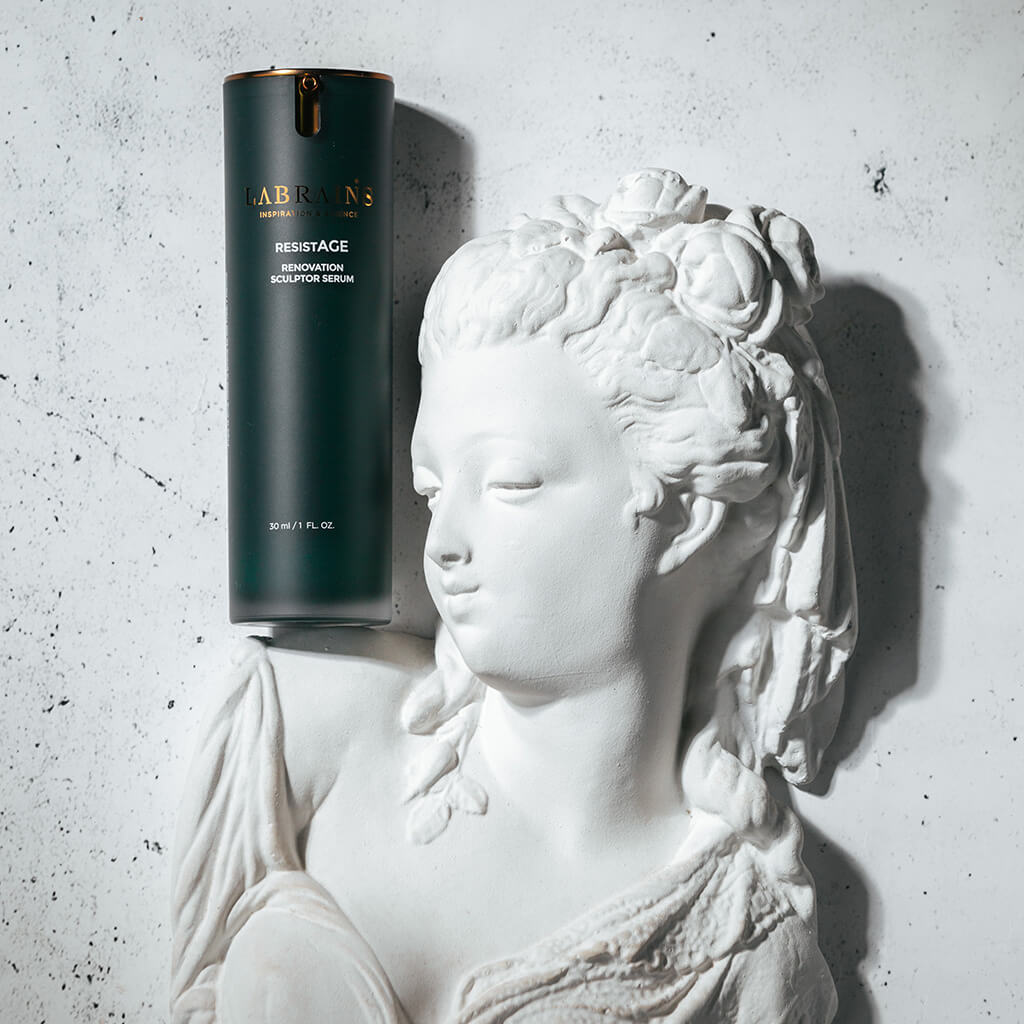
In the video we reference LABRAINS anti-ageing and restoration-focused skincare lines designed to support skin renewal processes after approximately age 30. The philosophy is not to "fight" ageing, but to help the skin function more effectively and comfortably as it changes over time.
Why mature skin often benefits from layered skincare
For more mature skin, especially after 50, LABRAINS recommends a more comprehensive routine that may include:
This layered approach helps support hydration, barrier comfort, and environmental protection throughout the day. We also emphasize avoiding excessive skin drying, especially during colder seasons.
A long-term approach to ageing skin
LABRAINS approaches ageing skin through a biomimetic and barrier-respecting philosophy. Instead of focusing on aggressive correction, the goal is to support:
- healthier skin function;
- long-term resilience;
- comfort;
- hydration balance;
- skin compatibility over time.