Skip to content

Cart

Your cart is empty

How Much Water Should You Drink in Summer? The Truth About Smart Hydration

Most people have heard the advice to drink two litres of water a day, especially during summer. But healthy hydration is far more complex than simply increasing your water intake. How much water your body needs depends on factors such as temperature, physical activity, diet and individual physiology. More importantly, drinking extra water alone cannot compensate for a weakened skin barrier.

In this article, you’ll learn why drinking more water does not automatically mean better-hydrated skin, when electrolytes become important, how to recognise the signs of dehydration, and why maintaining a healthy skin barrier is just as essential for keeping your skin comfortable, resilient and well hydrated throughout summer.

Two litres of water in summer? 

“Drink more water!” is one of the most common pieces of advice we hear in summer. While this recommendation is well intentioned, the reality is more nuanced. Two litres is not a universal formula, and drinking more water does not automatically mean better-hydrated skin. The amount of fluid your body needs depends on factors such as body weight, physical activity, air temperature, diet and overall health. Some of your daily fluid intake also comes from foods such as fruit, vegetables and soups.

If your body is already adequately hydrated, drinking more water than you need is unlikely to significantly improve your skin’s moisture levels. At the same time, dehydration can affect not only how you feel and perform physically and mentally, but also skin elasticity and microcirculation. Healthy hydration depends on more than fluid intake alone – it is also influenced by how much water you lose, whether your body has enough electrolytes, and how effectively your skin barrier can retain moisture.
Your Skin Is Not A Water Reservoir

The water you drink does not go directly to your skin. Your body first uses it to support vital organs such as the brain, heart, kidneys and muscles. Skin hydration depends not only on fluid intake, but also on how effectively the skin can retain water. To remain supple, calm and comfortable, the skin needs:

  • an intact protective barrier;
  • sufficient epidermal lipids;
  • natural moisturising factor, or NMF;
  • a physiologically acidic pH;
  • a balanced microbiome;
  • low levels of inflammation.

When these systems are disrupted, the skin may feel dry, rough or tight even when you are drinking enough water.

Why Do We Lose More Fluid In Summer?

In hot weather, water is lost through more than just sweating. It also leaves the body through breathing and urination, and continuously evaporates through the skin. Fluid loss increases further with physical activity, prolonged sun exposure, sauna use, air travel and dry, air-conditioned environments.

At the same time, the skin barrier is also put under greater strain in summer. UV radiation, wind, sea salt, chlorine in swimming pools and more frequent washing can reduce the skin’s ability to retain moisture. A feeling of dryness does not therefore always mean that you simply need another glass of water – your skin may instead need gentler cleansing and barrier-restoring care.

The Role Of Electrolytes

Sweat contains not only water, but also electrolytes – particularly sodium and chloride, as well as smaller amounts of potassium, magnesium and calcium. These minerals are essential for the nervous system, muscles and heart, and for maintaining a healthy fluid balance. If you spend most of your time indoors, do not exercise and are not sweating heavily, plain drinking water and a balanced diet are usually enough. Electrolytes become more important when you spend several hours in the heat, exercise intensely, sweat heavily or use a sauna.

Possible signs that you may be low on fluids and electrolytes include:

  • intense thirst that does not ease after drinking water;
  • fatigue, headache or dizziness;
  • muscle cramps;
  • reduced physical endurance;
  • dark urine;
  • heavy sweating that leaves white salt marks on clothing.

What Kind Of Water Should You Choose?

For everyday hydration, good-quality drinking water is usually sufficient. If you are sweating heavily, you can replace part of your fluid intake with moderately mineralised mineral water or an electrolyte drink without unnecessary added sugar. There is no need to drink only mineral water throughout the day, especially if it is highly mineralised or contains a large amount of sodium.

For people with high blood pressure, kidney disease or certain metabolic disorders, choosing the right mineral water may require more care. In these cases, it is advisable to discuss the most suitable type and amount of water with a doctor.

The hygiene of your water bottle also matters. Wash reusable bottles thoroughly and regularly, and allow them to dry completely. Whenever possible, choose a glass or stainless-steel bottle, particularly if the water will be kept in a warm place or in direct sunlight for a long time.

Is Alkaline Water Healthier?

Alkaline water is often marketed as a way to “de-acidify” or detoxify the body, or slow down ageing. In reality, a healthy body regulates blood pH very precisely through the lungs and kidneys. The pH of the water you drink does not significantly alter this system, and alkaline water is exposed to the acidic environment of the stomach after it is swallowed.

There is therefore no reason to regard water with a pH of 9–10 as a universally healthier option. Regular fluid intake, electrolyte balance, healthy kidney function, a balanced diet and good-quality sleep are far more important.

Can You Drink Too Much Water?

Yes. Drinking a very large amount of water within a short period can dilute the sodium concentration in the blood and cause hyponatraemia. This is rare, but it can be dangerous in severe cases.

In everyday life, normal well-being, an absence of thirst and pale-yellow urine generally indicate adequate hydration. Completely colourless urine throughout the day is not necessarily the goal, as it may suggest that you are drinking more fluid than you need.

Why Is Your Skin Dry Even When You Drink Enough Water?

The most common reason is not a lack of water in the body, but a disrupted skin barrier and increased transepidermal water loss, or TEWL. This can be encouraged by harsh or overly alkaline cleansers, frequent cleansing, UV radiation, wind, inflammation, oxidative stress and ageing.

In this situation, the skin needs more than a moisture-attracting serum. It also needs lipids and other barrier-supporting ingredients that help reduce water evaporation. Hydration is effective only when moisture is not merely added, but also retained.

The Labrains Approach: Helping The Skin Retain Moisture

At LABRAINS, hydration means more than adding hyaluronic acid to a formula. A comprehensive approach includes supporting the skin barrier, maintaining lipid balance and a physiologically acidic pH, stabilising the microbiome and reducing inflammation. Only under these conditions can the skin maintain an optimal moisture level over time.

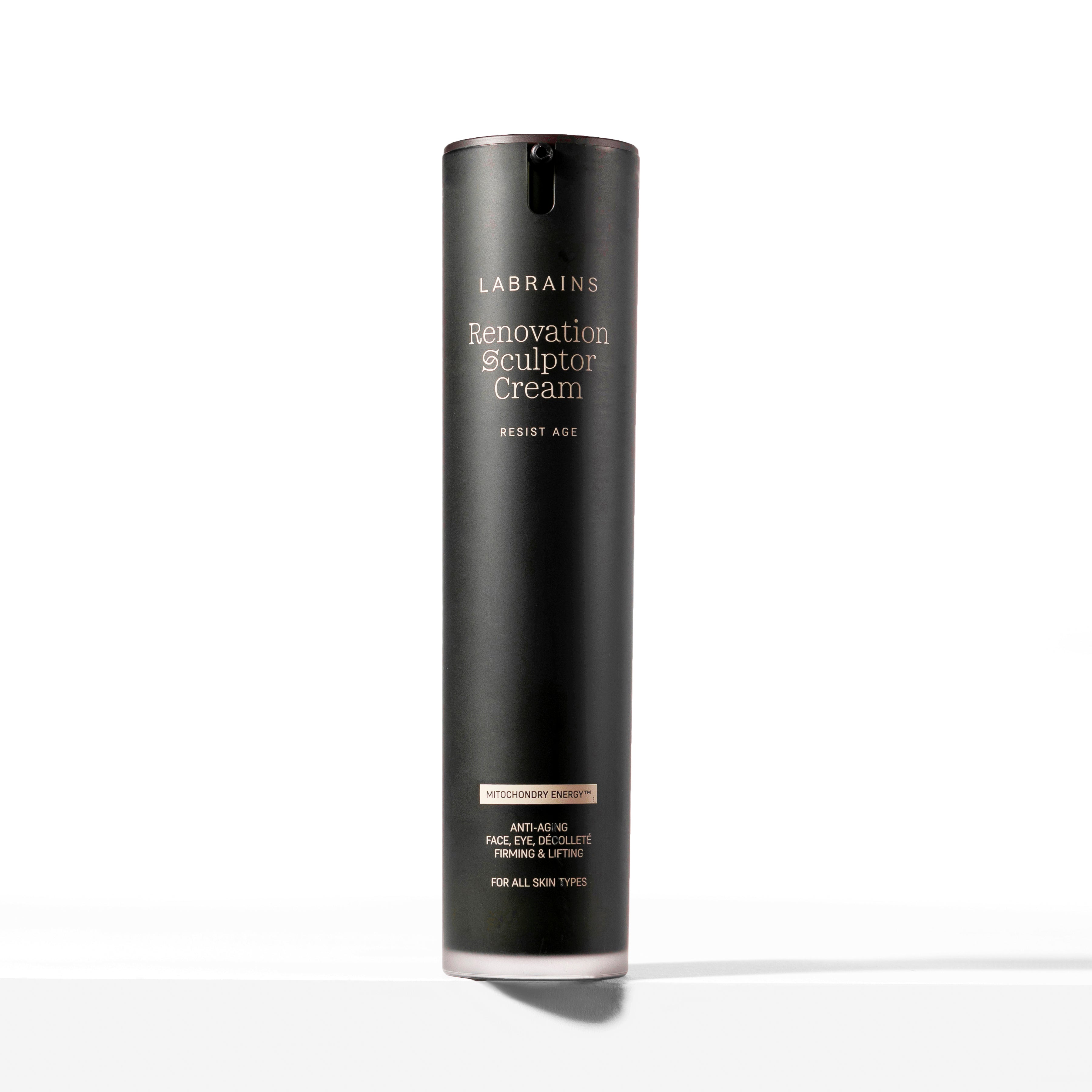
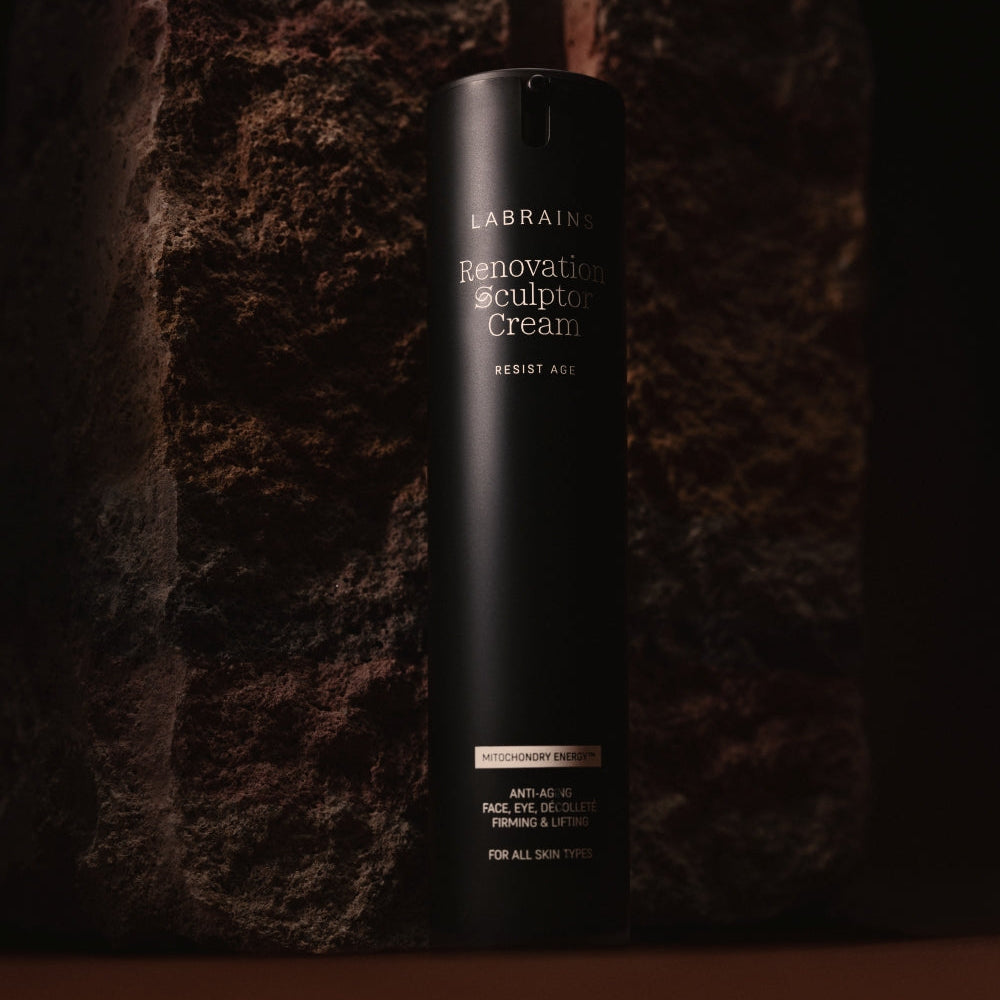
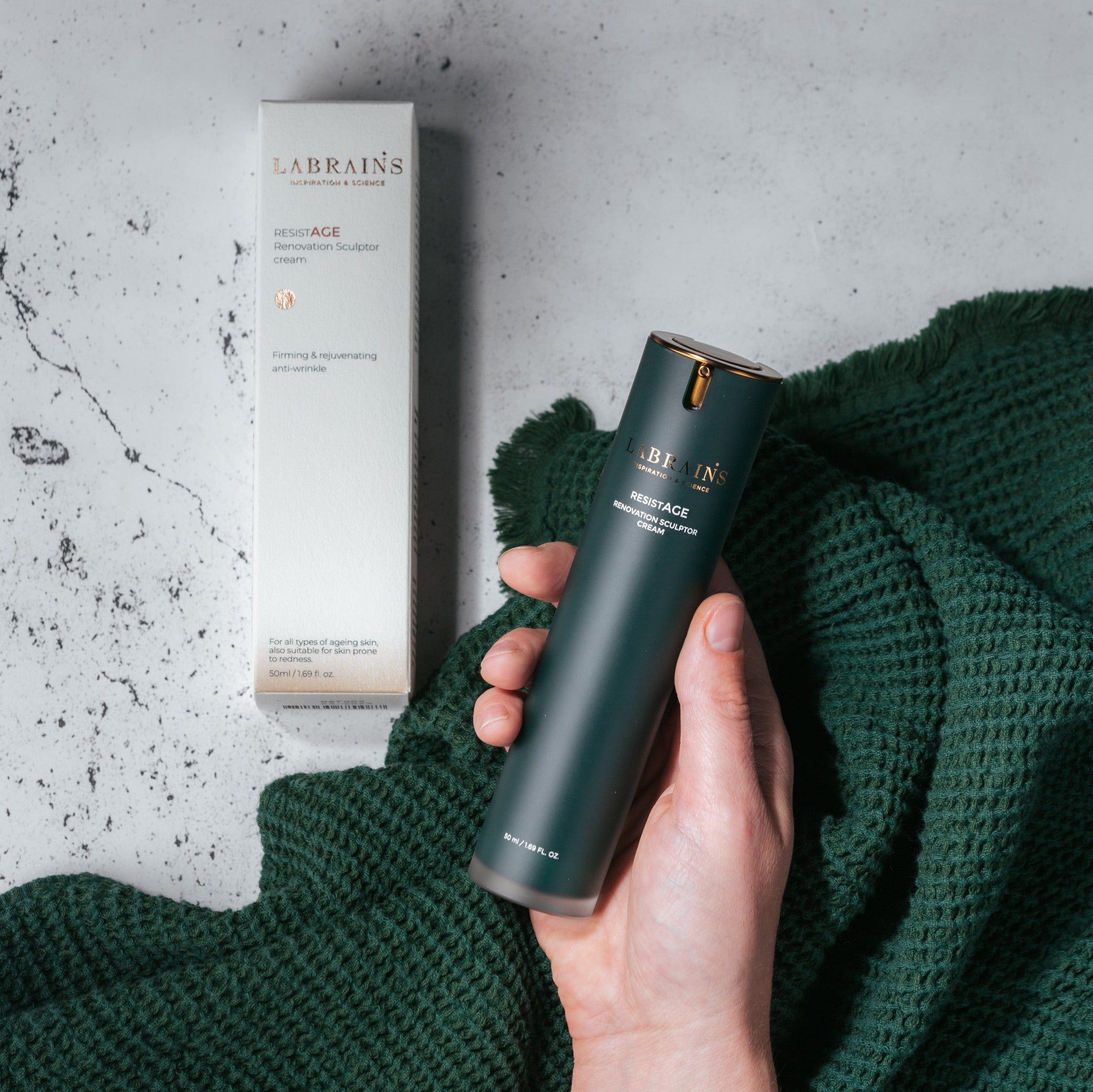
LABRAINS Renovation Sculptor Cream is a biomimetic daily moisturiser designed not only to provide an immediate feeling of comfort, but also to support the skin’s ability to reduce moisture loss. This is particularly important in summer, when the skin is exposed to sunlight, perspiration, salt water, chlorine and more frequent cleansing.

Practical Tips For Smart Summer Hydration

  • Drink regularly throughout the day rather than waiting until you feel very thirsty.
  • In hot weather and during physical activity, adjust your fluid intake to how much you are sweating.
  • Replace electrolytes during prolonged or heavy sweating.
  • Rinse sea salt or pool chlorine from your skin after swimming.
  • Cleanse your skin gently and avoid using harsh cleansers several times a day.
  • Apply a hydrating serum or moisturiser soon after cleansing, while the skin is still slightly damp.
  • Choose products that support the skin barrier rather than simply creating a temporary feeling of hydration.
  • If you often forget to drink, set a reminder on your phone or keep your water bottle somewhere visible.

Smart Hydration Begins With Balance

Hydration is about much more than reaching an arbitrary daily water target. While drinking enough fluids is essential for your overall health, healthy skin also depends on maintaining the right electrolyte balance and a strong skin barrier that can effectively retain moisture.

During summer, heat, UV radiation, perspiration, air conditioning and more frequent cleansing all place additional demands on your skin. By combining sensible fluid intake with barrier-supportive skincare, you can help your skin stay comfortable, resilient and well hydrated throughout the season.

Key Takeaways

  • There is no universal “two litres a day” rule – your fluid needs depend on your body, activity level, environment and diet.
  • Drinking more water does not automatically improve skin hydration if your skin barrier is unable to retain moisture.
  • During prolonged sweating, replacing electrolytes is just as important as replacing fluids.
  • Dry skin is often linked to increased transepidermal water loss (TEWL) and a compromised skin barrier rather than insufficient water intake alone.
  • Gentle cleansing, barrier-supporting moisturisers and daily sun protection help reduce moisture loss and support healthier skin during summer.
  • The healthiest approach to hydration is finding the right balance between fluid intake, electrolyte replenishment and skincare that helps your skin retain moisture over time.

Frequently Asked Questions

  • No. Two litres is a rough guideline, not a universal rule. You may need more on a hot, active day and less on a quiet day spent indoors.

  • Your skin is probably not retaining moisture effectively. This may be caused by a damaged protective barrier, insufficient lipids, overly harsh cleansing, UV radiation, wind or inflammation. In this case, fluid intake matters, but so does skincare that supports the skin barrier.

  • Yes. Drinking a very large amount of water within a short period can dangerously lower the sodium concentration in the blood. Drink gradually throughout the day and adjust the amount according to physical activity and heat.

  • Renovation Sculptor Cream supports the skin’s protective barrier and helps reduce water evaporation. Its biomimetic formula is designed to help maintain the skin’s lipid layer, microbiome balance and an appropriate pH. This allows the skin to use moisture more effectively and retain it for longer.