Skip to content

Cart

Your cart is empty

Back-to-School Acne: Why Teenage Skin Breaks Out After Summer and How to Prevent It

September breakouts and post-summer acne are often the combined result of summer sun, sweat, sunscreen, dehydration and a weakened skin barrier, alongside school stress and hormonal fluctuations. This guide explains why post-summer acne develops and how a simple routine with gentle cleansing, hydration and targeted skincare can help keep teenage skin balanced.

Why September Can Be Tough on Teenage Skin

After summer, teenage skin may finally seem calmer. Sun exposure temporarily dries the surface, a tan makes the complexion look more even, and redness or blemishes become less noticeable. Yet the situation can change quickly in September, with clogged pores, painful breakouts, excess shine or, at the other extreme, tightness and sensitivity. While school stress and hormonal fluctuations may contribute, they are rarely the whole story.

One of the main reasons is that skin often becomes dehydrated during summer, even when it appears oily. Heat and UV exposure increase moisture loss, while frequent cleansing and the urge to remove every trace of shine can weaken the skin’s protective lipid barrier. Sweat, sunscreen residue, salt water, dust and other environmental stressors further challenge the skin throughout the season.

As the skin barrier becomes compromised, it retains moisture less effectively and becomes easier to irritate. The skin may look shiny while feeling tight, sensitive and prone to blemishes at the same time. Active ingredients may begin to sting, sweat feels more uncomfortable, sunscreen seems heavier on the skin, and pores clog more easily. Combined with the return to earlier mornings, less sleep, exercise and emotional pressure, these changes can make post-summer breakouts much more likely.

This is why the first priority after summer should not be to aggressively dry out blemishes, but to restore the skin barrier, maintain healthy hydration and build a simple, consistent skincare routine that supports the skin as it adapts to the new season.

Teenage Skin Is Not Simply Oily

Teenage skin can behave in very different ways. For some, hormonal fluctuations lead to excess sebum and blackheads. For others, sensitivity, redness and small inflamed blemishes are the main concern. Some teenagers may instead have dry, itchy skin with a tendency towards eczema. This is why there is no single routine that works for everyone. It is also worth remembering that more intensive care does not necessarily produce better results. A strong cleanser, acids, retinoids and several anti-acne products used at once can quickly overwhelm the skin.

What Does Strengthening the Skin Actually Mean?

Strengthening the skin means gradually helping it cope better with everyday stressors such as sweating, temperature changes, sunscreen, cleansing, emotional stress and hormonal fluctuations. The skin needs to retain moisture, maintain a healthy lipid layer, support an appropriate pH and avoid tipping into an excessive inflammatory response. When this foundation is stable, hormonal flare-ups may be milder. Dehydrated, irritated skin, by contrast, can respond to the same hormonal signal with a more pronounced acne flare.

A Simple Post-Summer Skincare Routine

Consistency and formulas suited to the skin’s current condition matter most in teenage skincare. In the morning, rinsing or gentle cleansing, light moisturising and SPF are often enough. In the evening, remove the sebum, sweat, dust and sunscreen residue that have accumulated throughout the day. Skin should not be left without hydration after cleansing, especially if it feels tight.

Oily Skin with Clogged Pores and Early Breakouts

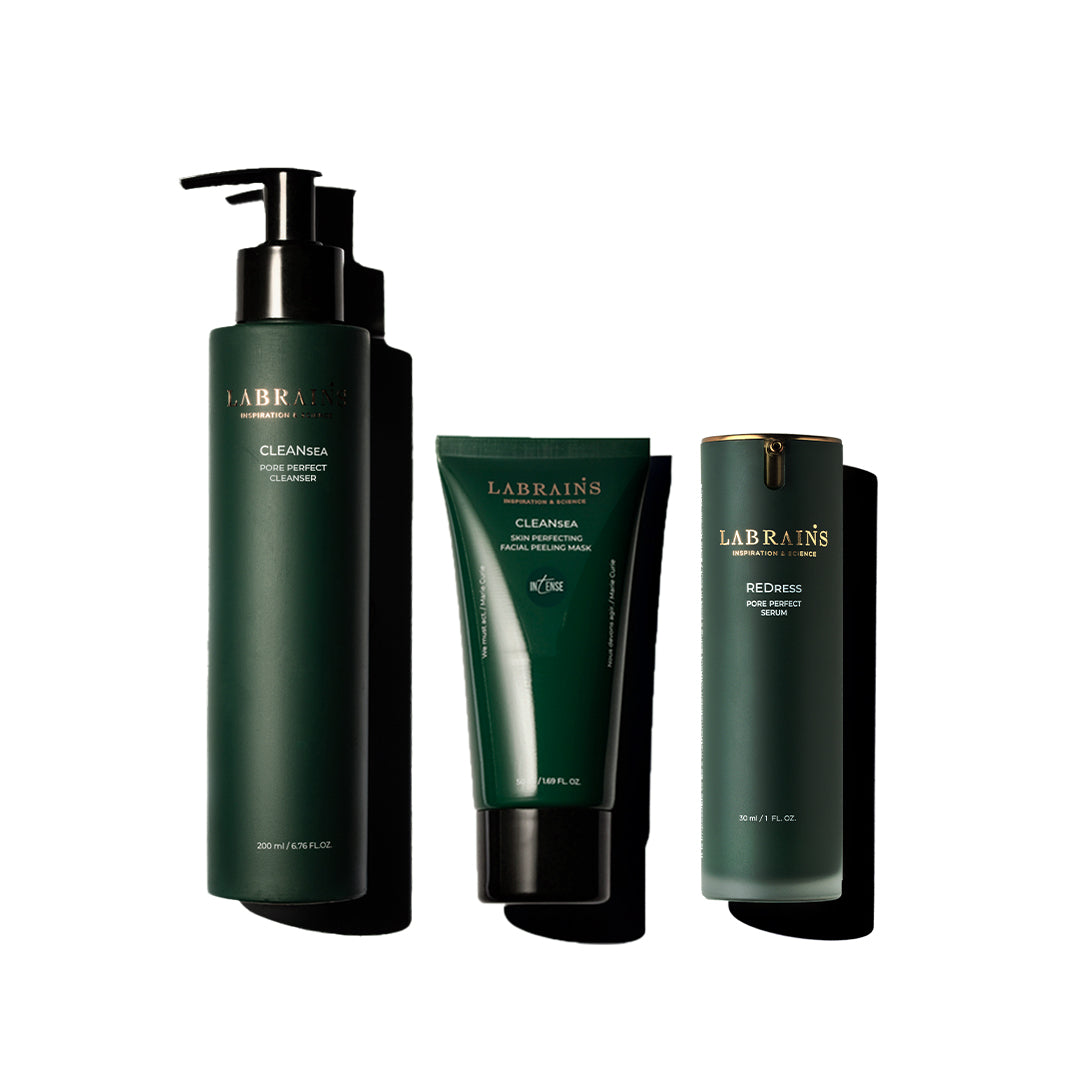
This skin type needs regular yet gentle cleansing. In the morning, use Pore Perfect Cleanser, or simply rinse with water if the skin is not particularly oily. Follow with Pore Perfect Serum and add a lightweight moisturiser if the skin feels tight.

In the evening, Pore Perfect Cleanser helps remove sunscreen, sebum, sweat and daily impurities, while Pore Perfect Serum supports skin that is prone to clogged pores and uneven sebum production.

If the skin is not inflamed or irritated, the Skin Perfecting Peeling Mask Intense can be used once a week. It is not an everyday product and should not be used too frequently on teenage skin in the hope of clearing pores more quickly.

Oily yet Dehydrated Acne-Prone Skin

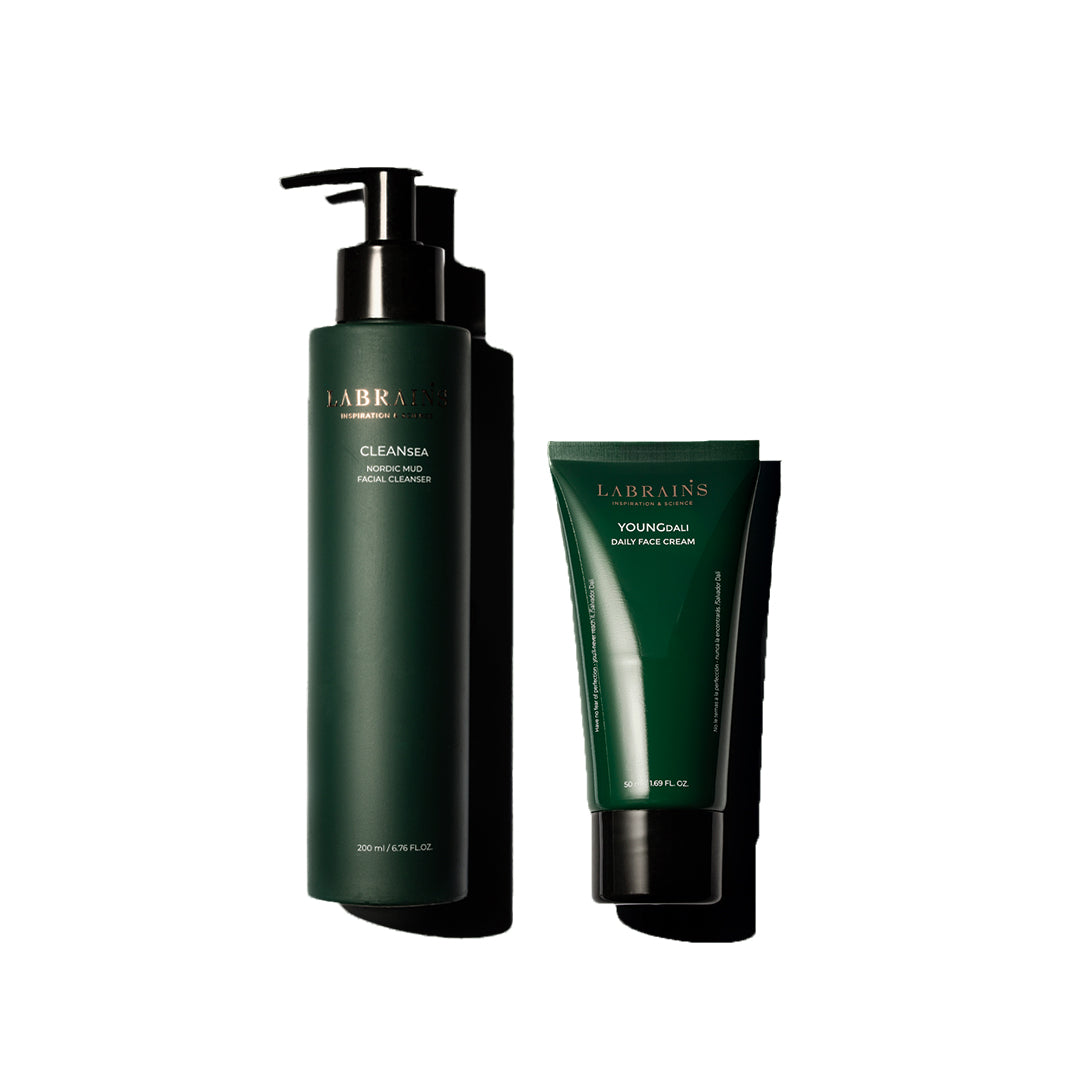
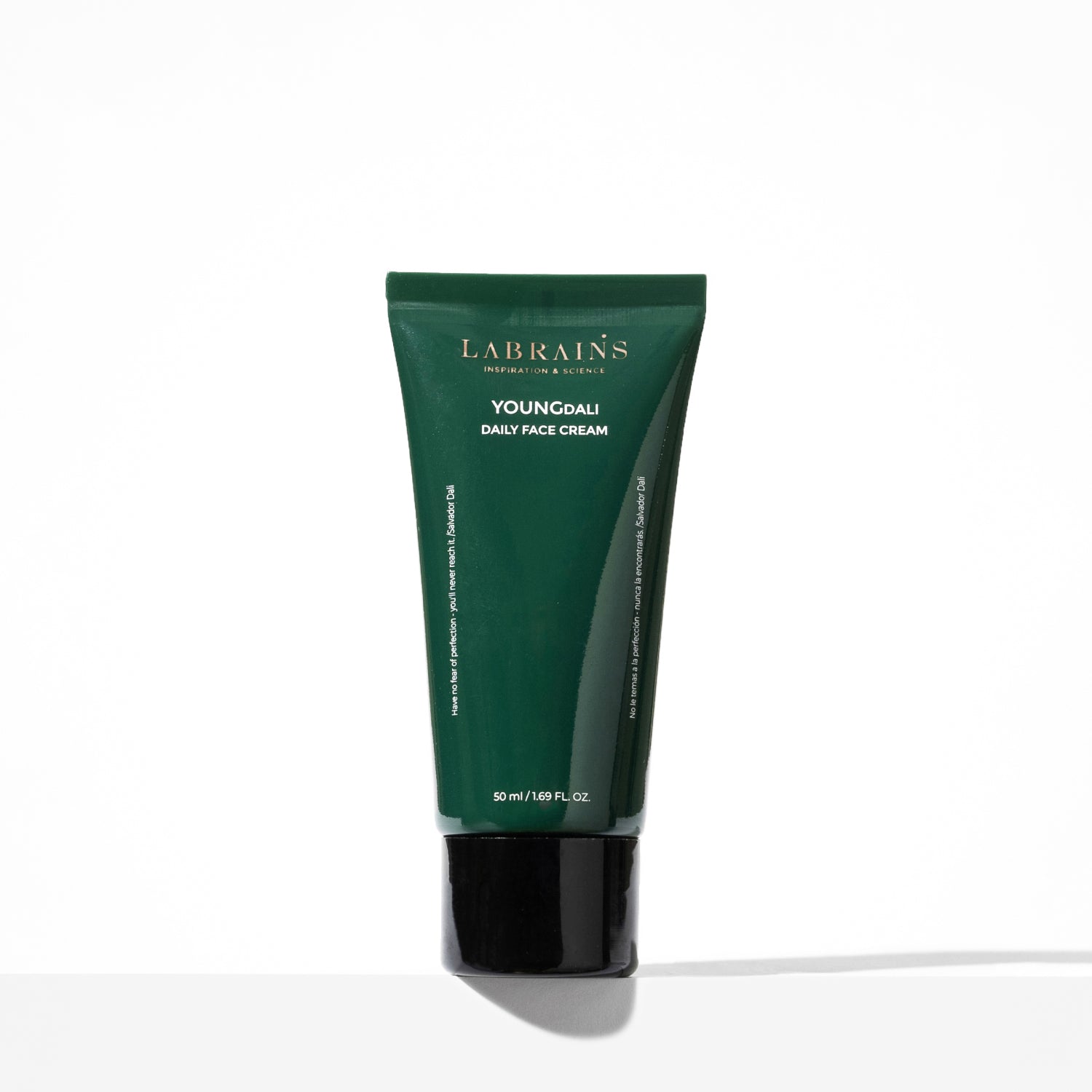
This is one of the most common end-of-summer scenarios: the skin looks shiny but feels tight after cleansing, may flake in places and reacts uncomfortably to active products. It does not need to be dried out further. In the morning, rinse gently or use Pore Perfect Cleanser as needed, followed by Pore Perfect Serum and YoungDali Daily Face Cream. Repeat the cleansing and serum steps in the evening, adding a thin layer of YoungDali Daily Face Cream if the skin feels dry. A lightweight moisturiser helps restore comfort and improve moisture retention.

Normal or Combination Skin Without Significant Acne

If the skin is generally calm, there is no need to build a complicated anti-acne routine as a precaution. In the morning, rinsing with water and applying YoungDali Daily Face Cream may be all that is needed. In the evening, use Nordic Mud Cleanser, especially after wearing sunscreen, exercising or spending the day in a dusty urban environment.

If clogged pores or occasional blemishes appear in certain areas, Pore Perfect Serum can be applied temporarily only where needed.

Dry, Sensitive or Eczema-Prone Skin

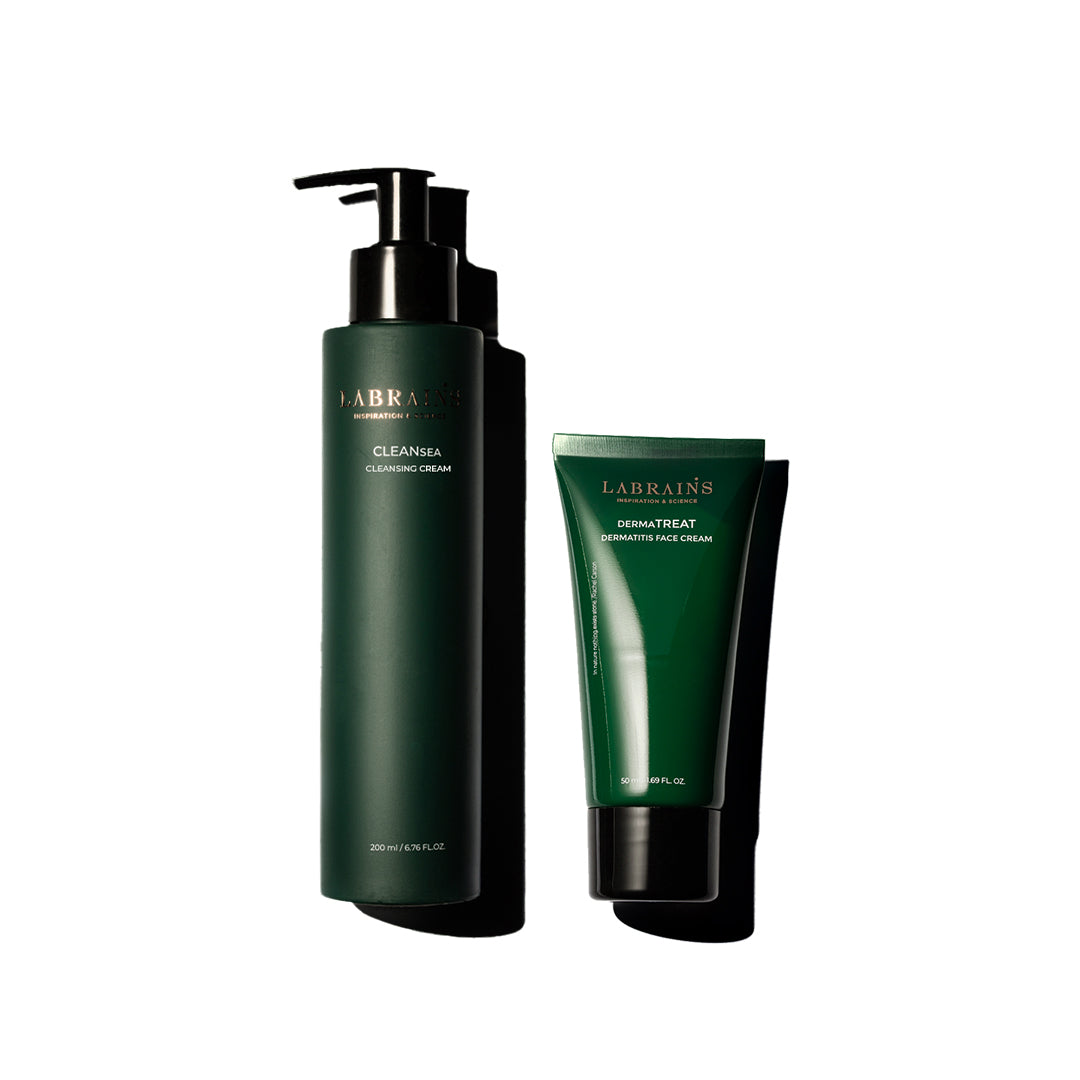
For this skin type, restoring the protective barrier takes priority over exfoliation. In the morning, rinse with water or cleanse only when genuinely necessary. Then choose YoungDali Daily Face Cream or the richer DermaTreat Skin Regenerating Cream, depending on the level of dryness.

In the evening, Cleansing Cream removes impurities without intensifying dryness or tightness. Follow with DermaTreat Skin Regenerating Cream to restore comfort to sensitive, fragile skin.

An active eczema flare, cracks, severe itching or painful inflammation should be assessed by a dermatologist. Cosmetics can support everyday skin care, but they cannot replace medical treatment.

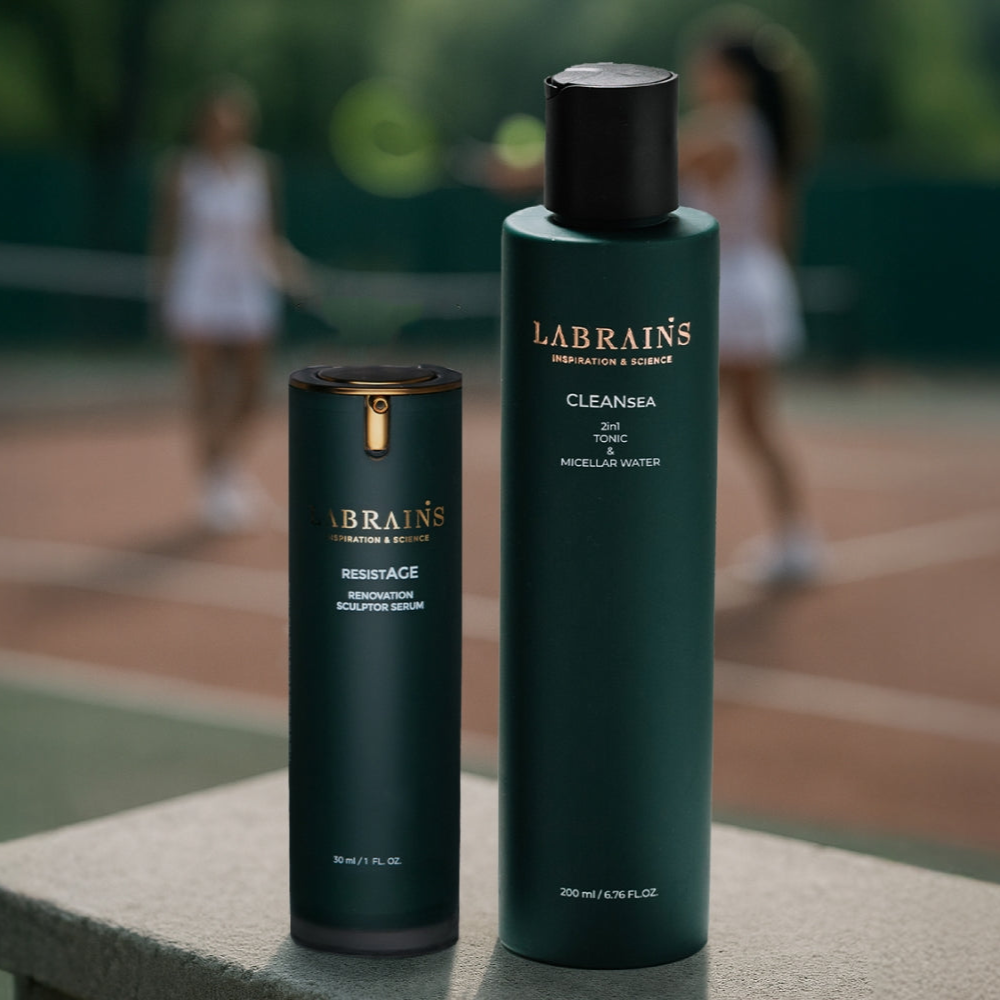
Two labrains skincare products with two women playing tennis in the background

What Should You Do After Exercise?

Sweat itself is not the enemy. Problems are more likely when sweat salts, sebum, sunscreen, dust and the occlusive effect of a helmet or tight clothing remain on the skin for a long time. After exercise, rinse the face or cleanse it gently. Choose Pore Perfect Cleanser for acne-prone skin and Nordic Mud Cleanser for normal or combination skin. Avoid rubbing the face with a towel or washing it repeatedly with a harsh cleanser. If the skin feels tight afterwards, apply a lightweight moisturiser.

Can Diet Affect Acne?

Acne is not caused by one particular product or a single “wrong” food. However, some teenagers may be individually sensitive to dietary factors such as a frequently high glycaemic load or certain dairy products. This does not mean that entire food groups should automatically be removed from the diet. It is more useful to observe possible patterns over time and discuss them with a doctor or dietitian when necessary. Dietary changes are also less likely to help if the skin is routinely over-cleansed, irritated or insufficiently moisturised.

Common Post-Summer Skincare Mistakes

Do not introduce several new active products at the same time. Add them gradually so that you can see how the skin responds. Avoid trying to eliminate sebum completely: it is part of the skin’s natural protection, and the goal is balance rather than a perfectly matte complexion all day.

Avoid squeezing spots or repeatedly touching the face. This can intensify inflammation and increase the likelihood of post-inflammatory marks.

Finally, every blemish is not a disaster. Teenage skin will have better and worse periods. A well-designed routine is not meant to create perfectly clear skin every day, but to support fewer and milder flare-ups, less discomfort and faster recovery.

Frequently Asked Questions

  • Summer sun can temporarily make teenage skin appear clearer by drying the skin’s surface and making blemishes less noticeable. However, UV exposure, heat, sweat, sunscreen residue, dehydration and a weakened skin barrier can all contribute to clogged pores and increased sensitivity. As school routines, emotional stress and hormonal fluctuations return, these factors may trigger post-summer breakouts.

  • School stress is rarely the only cause of acne, but it can contribute to flare-ups alongside hormonal changes and environmental factors. Less sleep, emotional pressure, exercise, and seasonal changes may all influence how teenage skin responds. Supporting the skin barrier with a gentle, consistent skincare routine can help reduce unnecessary irritation during this transition. 

  • Yes. Oily skin can still become dehydrated, particularly after summer or following frequent cleansing. If the skin feels tight, flaky or uncomfortable after washing, a lightweight moisturiser can help restore hydration and support the skin barrier without making the skin feel greasy. The goal is to maintain balance rather than remove every trace of oil. 

  • For most teenagers, gentle cleansing in the evening and, if needed, in the morning is sufficient. Cleansing removes sweat, excess sebum, sunscreen and daily impurities without unnecessarily disrupting the skin barrier. Avoid washing the face repeatedly throughout the day or using harsh cleansers in an attempt to eliminate oil completely.

  • Yes. Cleansing too frequently or using harsh products can weaken the skin’s protective barrier, increase irritation and leave the skin both oily and dehydrated. This may make active ingredients sting and leave the skin more reactive. A gentle cleansing routine that supports the skin barrier is generally more beneficial than trying to dry the skin out completely.